 Clearwater Roofing
 If you're comparing quotes for a new roof or a re-roof in Clearwater, you've probably noticed pricing spreads between bids that seem to be for "the same job." Nine times out of ten, the difference comes down to shingle type: architectural (also called dimensional or laminate) shingles versus older-style 3-tab shingles. Both are asphalt products, both are installed by the same trade, and both will keep water out on day one. What separates them is how they perform over fifteen, twenty, thirty years of Gulf Coast sun, wind, and rain — and that's the part worth understanding before you sign anything.
The Basic Difference
A 3-tab shingle is a single layer of asphalt, flat, cut into three even tabs so it lays as a uniform, repeating pattern. It's the shingle most people picture when they think "asphalt roof" — thin, lightweight, and inexpensive to manufacture.
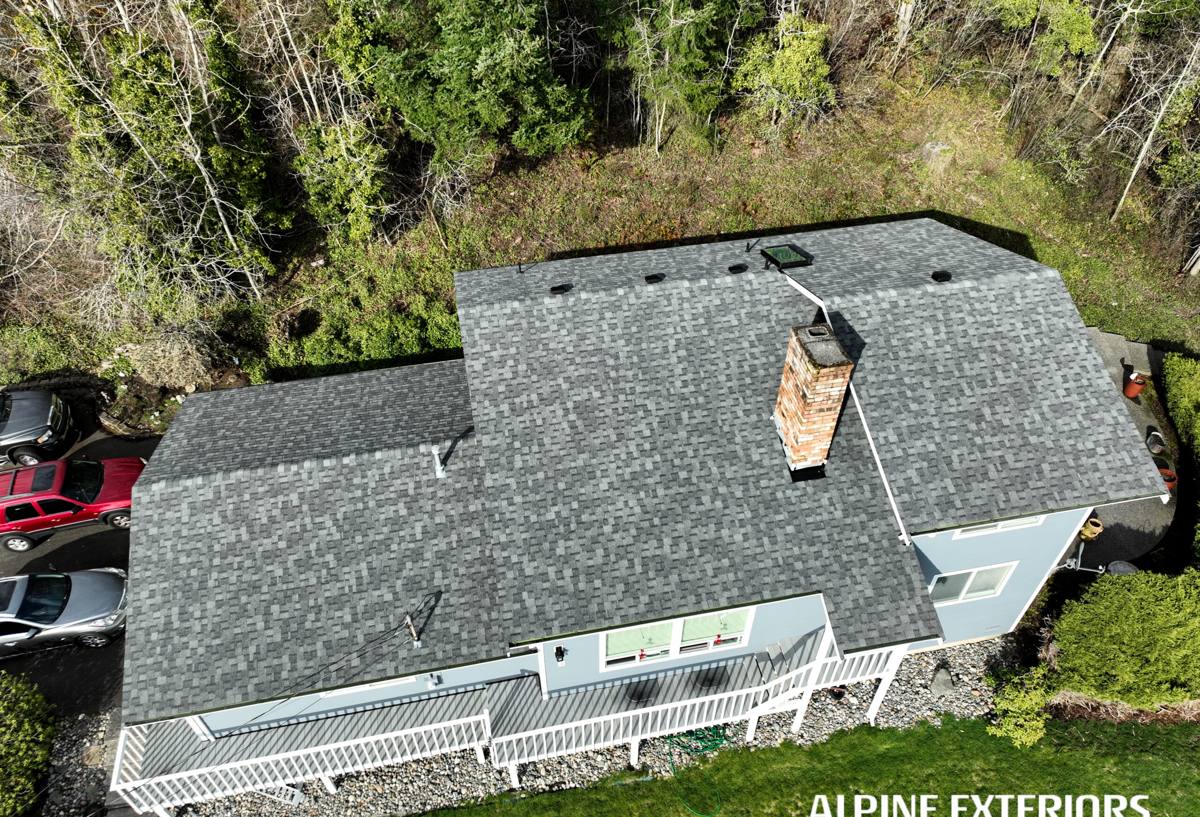
An architectural shingle is built from two or more layers of asphalt laminated together, giving it thickness, a slightly randomized tab pattern, and a shadow-line look that reads more like natural slate or wood shake from the street. That extra layer isn't cosmetic filler — it's what gives the shingle most of its added wind resistance and weight.
Why This Matters More Here Than in Other Climates
In a low-wind, low-UV region, the practical difference between these two products is smaller. In Pinellas County, it isn't. Clearwater roofs deal with sustained onshore wind, tropical storm and hurricane gusts most years, intense UV exposure nearly twelve months out of the year, wind-driven rain that gets forced sideways under poorly sealed tabs, and salt air drifting in off the Gulf that accelerates the breakdown of any material not built to handle it. Shingle choice is one of the few decisions on a roofing job that directly changes how your roof holds up against all four of those stressors at once.
Wind Performance: The Biggest Factor for This Coast
This is usually the deciding factor for Clearwater homeowners, and for good reason.
- 3-tab shingles are typically rated for wind speeds around 60-70 mph, and that rating assumes correct installation and undamaged sealant strips.
- Architectural shingles commonly carry wind ratings of 110-130 mph, and many premium lines are tested and rated higher when installed with the manufacturer's specified nailing pattern and starter strip.
The extra lamination gives architectural shingles more mass and a stronger adhesive bond at the tab, so they resist wind uplift and edge-lifting far better in gusty conditions. After a season of named storms or even a run of strong summer thunderstorms, it's common to see 3-tab roofs with lifted or missing tabs along ridges and rakes while a properly installed architectural roof on the house next door shows no damage at all. Wind rating on paper only holds up if the fasteners, starter course, and hip/ridge details are installed correctly — that installation quality matters as much as the shingle itself.
Lifespan and Long-Term Value
Manufacturers typically warranty 3-tab shingles for 20-25 years and architectural shingles for 30 years, with some premium architectural lines rated 40-50 years or offering lifetime limited warranties. In practice, Florida sun shortens both numbers — intense UV breaks down asphalt oils faster here than in a shaded northern climate, so treat manufacturer warranty years as a ceiling, not a guarantee.
Realistic service life on a Clearwater roof, assuming decent attic ventilation and no major storm damage, tends to look like this:
| Shingle Type | Manufacturer Warranty | Typical Real-World Life (Gulf Coast) | Wind Rating (Typical) |
|---|---|---|---|
| 3-Tab | 20-25 years | 12-18 years | 60-70 mph |
| Architectural | 30 years (some 40-50) | 20-25 years | 110-130 mph |
Those real-world numbers assume you're staying on top of maintenance — clearing debris, keeping gutters flowing, and having the roof looked at after any major storm. Neglect shortens both.
Cost: What You're Actually Paying For
Architectural shingles cost more up front, generally 15-25% more than 3-tab for material and labor combined, since the extra layer adds material cost and the heavier bundles take a bit more labor to install. Broadly speaking, homeowners should expect architectural roofing to run somewhat higher per square than 3-tab across most reputable installers in this market — exact pricing depends on roof size, pitch, tear-off scope, and decking condition, so treat any number you see online as a rough planning figure, not a quote.
Where the math changes is over the life of the roof. Because architectural shingles typically last several years longer and hold up better against the wind events that cause premature failure here, the cost-per-year of ownership is often close between the two products, and in storm-prone years architectural can come out ahead once you factor in avoided repair calls and insurance claims.
Insurance Considerations
Many Florida insurance carriers offer premium discounts for higher wind-rated roofing materials, and some now require a certain wind rating to maintain full coverage or avoid a higher deductible on wind claims. If you're re-roofing partly to manage insurance costs, ask your carrier directly what shingle rating qualifies for a discount before you choose a product — this changes by carrier and policy year, so we won't guess at numbers on your behalf.
Appearance and Curb Appeal
3-tab shingles have a flat, uniform, repeating look. It reads clean and simple, which suits some architectural styles, particularly older Florida ranch and ranch-adjacent homes where a busier roofline would compete with the house.
Architectural shingles have depth and shadow variation that mimics slate, cedar shake, or a heavier natural roofing material. On two-story homes, homes with visible rooflines from the street, or homes in neighborhoods where buyers expect a more upscale look, architectural shingles tend to add more resale appeal. This is a matter of taste as much as performance, and either product is available in a range of colors designed to hold up under constant Florida sun without excessive fading.
Installation Considerations Specific to This Region
Whichever shingle you choose, the installation details matter as much as the product line for wind and water performance in Clearwater:
- Nailing pattern — six-nail patterns instead of four are standard practice here given local wind exposure, and required by many manufacturers to validate the higher wind ratings.
- Starter strip — a proper self-sealing starter course along eaves and rakes is one of the most common places wind gets underneath a roof and peels it back.
- Underlayment — synthetic underlayment or peel-and-stick membrane at eaves, valleys, and penetrations adds a real second line of defense against wind-driven rain, which is a near-constant reality during Pinellas County's storm season.
- Ridge and hip caps — high-profile ridge cap shingles rated for the same wind speed as the field shingles, installed with the correct fastener length and count.
- Ventilation — balanced intake and exhaust ventilation keeps attic temperatures and moisture in check, which protects the shingles from the underside and extends their real-world service life regardless of which type you choose.
A well-installed 3-tab roof will outperform a poorly installed architectural roof. Product choice matters, but workmanship is what actually determines whether either roof survives its first serious wind event.
Which One Fits Your Situation
There's no universal right answer — it depends on the house, the budget, and how long you plan to own it.
3-Tab May Make Sense If:
- You're working with a tight renovation or rental-property budget
- The home has a simple, low roofline where the flat shingle look fits the architectural style
- You plan to sell within the next several years and are prioritizing lowest up-front cost
Architectural Shingles Make Sense If:
- You're planning to stay in the home long-term and want to minimize repair calls and re-roof frequency
- You want the strongest wind rating available in asphalt roofing for storm season
- You're interested in an insurance premium discount tied to wind rating
- Curb appeal and resale value matter for your neighborhood and price point
Because 3-tab shingles are being phased out by several major manufacturers in favor of architectural product lines, availability and warranty support for 3-tab has been shrinking industry-wide. That's worth factoring in if you're planning for the long term, since matching materials for a future repair may get harder as fewer manufacturers keep 3-tab in production.
What We Recommend as a Standard Practice
Our professional standard on most Clearwater homes is to default to architectural shingles rated for high wind, paired with enhanced underlayment and a proper six-nail installation. That's not a sales position against 3-tab — it's a reflection of what we see hold up best against the specific combination of hurricane-force wind, UV load, and salt air that Pinellas County roofs deal with every year. We'll still install 3-tab where it's the right fit for the home and budget, but we'll walk you through the trade-offs honestly rather than let the lowest number on a quote decide it for you.
If you're weighing your options for a re-roof or new construction in Clearwater, we're happy to walk your roof, talk through what shingle makes sense for your home and budget, and put together a free, no-pressure estimate — no obligation either way.