 Clearwater Roofing
 Why This Question Comes Up So Often in Clearwater
If you've owned a home in Pinellas County for more than a few years, you've probably had at least one conversation about metal roofing. Part of that is national trend — metal has gotten more popular everywhere — but part of it is specific to where we live. Clearwater roofs deal with a combination of stressors that a lot of the country simply doesn't see: sustained hurricane-season winds, intense sun nearly 365 days a year, wind-driven rain that gets forced sideways under normal flashing details, and salt air drifting in off the Gulf that slowly works on any exposed metal fastener or coating. Asphalt shingles handle some of that fine. They don't handle all of it equally well, which is why the metal-versus-shingle conversation keeps coming up.
This page isn't here to talk you into anything. Both roofing systems are legitimate, code-approved options in Florida, and both show up on well-built homes all over Clearwater. The goal here is to lay out how each one actually performs in our climate, what it costs over the life of the roof (not just the day it's installed), and where the real trade-offs are so you can make a decision that fits your house, your budget, and how long you plan to stay in it.
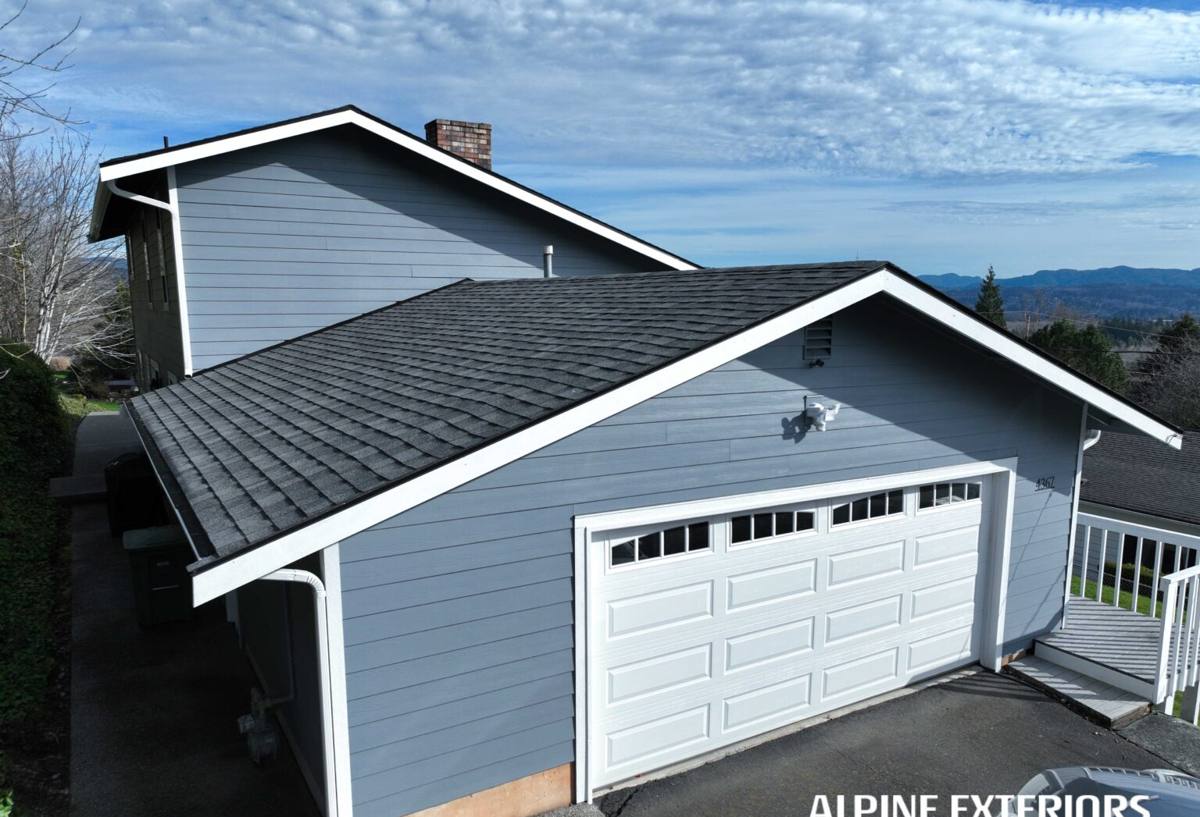
How Each Roofing Material Actually Performs in Our Climate
Wind
Wind is usually the first thing homeowners ask about, and for good reason. Properly installed metal roofing systems — particularly standing seam panels with concealed fasteners — are engineered and tested for high uplift resistance, and many systems carry ratings well above what's required for our wind zone. Architectural shingles have also improved a lot; high-wind-rated shingle products with proper nailing patterns and starter strips perform respectably in most storms. The honest distinction is what happens at the margins — the storm that's stronger than the design threshold, or the roof edge where installation quality was cut corners. Metal has more built-in margin. Shingles depend more heavily on installation quality to reach their rated performance.
UV Exposure
Florida sun is relentless, and UV is what ages a roof from the surface down. Asphalt shingles lose granules and oils over time, which is a normal, expected part of their lifespan — it's baked into their 20-30 year rating. Metal roofing with a quality factory-applied finish resists UV degradation much longer and tends to hold its color and reflectivity better over decades rather than years. That reflectivity also has a practical side benefit: many metal roofs run noticeably cooler in the attic than a dark shingle roof under the same summer sun.
Wind-Driven Rain
This is an underrated factor. During tropical systems, rain in Clearwater doesn't just fall — it gets pushed sideways and upward under roof edges, ridge caps, and any transition point. A shingle roof relies on underlayment and proper lap details to keep that water out. A well-installed metal roof, especially standing seam with taped or sealed seams, has fewer entry points for wind-driven water to exploit at the field of the roof. Both systems can fail here if flashing details at penetrations, walls, and valleys aren't done correctly — this is one of the areas where installation quality matters as much as material choice.
Salt Air
Because Clearwater sits close to the Gulf, salt-laden air is a real factor for anything metal — fasteners, flashing, and panel edges. This isn't a reason to avoid metal roofing; it's a reason to insist on marine-grade or coated fasteners and a finish system rated for coastal exposure. Cheaper, uncoated fastener hardware is where salt-air problems actually show up, not in the panels themselves.
Metal vs. Architectural Shingles: Side-by-Side
| Factor | Architectural Shingles | Standing Seam Metal |
|---|---|---|
| Typical lifespan | 20-30 years | 40-70 years |
| Upfront cost | Lower | Higher (often 2-3x shingles) |
| Wind performance | Good, install-dependent | Excellent, less install-dependent |
| UV/heat aging | Gradual granule and oil loss | Slow fade, better reflectivity |
| Coastal/salt resistance | Not a major factor | Good with proper coated fasteners |
| Repair after storm damage | Easier to patch/blend | Requires panel-matched repair |
| Noise in heavy rain | Minimal | Noticeable without proper decking/insulation |
| Insurance premium impact | Standard | Often discounted for wind mitigation |
Neither column is "correct." A homeowner planning to sell within five to seven years often gets little practical benefit from paying the metal premium. A homeowner who intends to stay long-term, or who's rebuilding after storm damage anyway, often finds the math flips the other direction.
Upfront Cost vs. Cost Over Time
The sticker shock with metal roofing is real — it typically costs more per square than architectural shingles, sometimes significantly more depending on panel profile and finish. But upfront price is only half the picture. A shingle roof in our climate generally needs full replacement around the 20-25 year mark, sometimes sooner with heavy UV exposure or storm cycles. A well-installed metal roof can outlast two or more shingle replacement cycles on the same house. When you spread the cost per year of service life rather than looking at day-one price alone, the gap between the two systems narrows — sometimes closes entirely, depending on how long you own the home.
There are also softer cost factors worth weighing: potential energy savings from a reflective metal roof reducing attic heat gain, potential insurance premium credits tied to wind mitigation ratings, and the avoided cost and disruption of a second full tear-off and replacement down the road. None of these are guaranteed dollar amounts — they vary by insurer, home, and utility rates — but they're real factors, not marketing fluff.
Wind Rating, Insurance, and Florida Building Code
Any roof installed in Pinellas County has to meet Florida Building Code wind-load requirements for our wind zone, regardless of material. Both quality shingle systems and metal systems can be installed to meet code. Where metal often has an edge is in wind mitigation inspections used for homeowner's insurance — certain metal roofing systems, properly installed and documented, can qualify for better wind mitigation credits than a standard shingle roof, which can meaningfully offset premiums over time. This isn't automatic and depends on the specific system, the fastening method, and how the roof is documented after installation, so it's worth asking any contractor you're evaluating to walk you through what your specific roof would qualify for rather than taking a blanket claim at face value.
Where Metal Tends to Make the Most Sense
- You plan to stay in the home long-term and want to minimize future roofing disruption
- Your home is directly exposed to Gulf wind and salt air with limited windbreak
- You're already rebuilding after storm damage and want to maximize the next roof's lifespan
- You want the potential wind mitigation insurance credit and are willing to document it properly
- You prefer the lower-maintenance, longer-interval profile even at a higher upfront cost
Where Shingles Still Make Sense
- Budget is the primary constraint and a shorter service life is an acceptable trade-off
- You're planning to sell the home within the next several years
- You want a wider range of low-cost color and texture options to match a specific look
- Your home's roof structure or budget isn't suited to the added weight or cost of some metal systems
Installation Quality Matters More Than the Material
This is worth saying plainly: a poorly installed metal roof can underperform a well-installed shingle roof, and vice versa. Most of the roofing failures we see after storms in this area trace back to installation details — flashing at wall transitions, valley construction, fastening patterns, underlayment laps, and penetration seals — not a fundamental flaw in the material itself. Whichever system you choose, the contractor's attention to those details will affect your roof's real-world performance more than the brand printed on the panel or shingle wrapper. This is our professional standard regardless of material: correct flashing, correct fastening schedule, and correct underlayment come first, every time.
Basic Roof Maintenance Checklist
Whichever material you choose, a little routine attention extends the life of either system and helps catch small issues before they become interior leaks.
- Have the roof visually inspected after any major named storm, not just once a year
- Keep gutters and downspouts clear so water isn't backing up under roof edges
- Trim back overhanging tree limbs that can abrade shingles or scratch panel coatings
- Check and reseal roof penetrations (vents, pipe boots, chimneys) every few years
- Watch for granule buildup in gutters on shingle roofs, or fastener corrosion on metal roofs
- Address small leaks immediately — Florida's humidity turns minor moisture into mold quickly
Making the Decision for Your Home
There's no universal right answer to metal versus shingles — it depends on how long you're keeping the house, your budget horizon, your home's specific exposure to wind and salt air, and how much weight you put on lower long-term maintenance versus lower upfront cost. What we can tell you honestly is that both systems, installed correctly, hold up to Clearwater's climate. The real risk isn't picking the "wrong" material — it's picking a contractor who cuts corners on the installation details that actually determine how either roof performs in a hurricane or after twenty summers of Florida sun.
If you'd like to talk through what makes sense for your specific roof, we're happy to take a look and walk you through the honest trade-offs for your home. There's no pressure and no obligation — just fill out the form below to request a free estimate.