 Clearwater Roofing
 Roofing Built for Oldsmar's Corner of Pinellas County
Oldsmar sits in a part of Pinellas County that gets a little bit of everything Florida weather can throw at a roof. You're close enough to Old Tampa Bay to deal with salt-laden air and humidity, far enough inland to catch the full brunt of summer storm cells rolling off the Gulf, and squarely in the path of any hurricane or tropical system that tracks up the Tampa Bay corridor. Homes here range from older established neighborhoods with mature tree canopy to newer construction near the water, and each of those setups puts different stress on a roof.
We're a local exterior crew that works roofing, siding, windows, and decks across the Clearwater and greater Pinellas County area, and Oldsmar is regularly on our schedule. This page walks through what we actually see on roofs in this area, how our process works, and what to think about before you hire anyone to work on your home.
What the Climate Actually Does to an Oldsmar Roof
Sun and UV Exposure
Florida's UV index runs high nearly year-round, and it doesn't take a break in winter the way it does farther north. Asphalt shingles lose oils and granules over time from constant UV bombardment, which is what eventually leads to brittleness, curling, and thinning. A roof that would last 25+ years in a milder climate often shows real wear by year 15-18 here, simply from sun exposure alone.
Wind-Driven Rain and Hurricane Risk
It's not just the wind speed during a storm that matters — it's wind-driven rain finding its way under shingles, around flashing, and into any gap that's even slightly compromised. Hurricane-force gusts can lift shingle edges, tear off ridge caps, and stress fasteners even on a roof that looks fine on a calm day. Oldsmar homes, like the rest of Pinellas County, fall under Florida's high-velocity wind building code considerations, and roofing work here should reflect that.
Salt Air and Humidity
Proximity to Tampa Bay means a steady low-level exposure to salt in the air, even for homes that aren't directly waterfront. Salt accelerates corrosion on metal components — nails, flashing, vents, and gutter hardware — faster than it would inland. Combine that with Florida's humidity and you get conditions that are tough on fasteners and sealants that aren't rated for coastal-adjacent use.
Afternoon Thunderstorms
Pinellas County's summer pattern of near-daily afternoon storms means a compromised roof doesn't get much of a grace period. A small leak found in April can turn into a real problem by August if it's not addressed before wet season ramps up.
Common Roofing Problems We See in This Area
- Curled or cracked shingles from years of UV exposure, especially on south- and west-facing slopes
- Flashing failures around chimneys, skylights, and roof-to-wall transitions where wind-driven rain finds a way in
- Granule loss that leaves shingles thinner and more vulnerable, often visible as grit buildup in gutters
- Corroded fasteners and vents from salt air exposure, particularly on homes closer to the water
- Soft or damaged decking under aging roofs where slow leaks have gone unnoticed for a while
- Storm damage from wind uplift, tree limb impact, or debris after a tropical system passes through
Roofing Materials: What Actually Makes Sense for This Climate
We install and repair several roofing systems, and which one makes sense depends on your budget, the age and structure of your home, and how long you plan to stay in it. Here's an honest breakdown.
| Material | Typical Lifespan | Wind/Storm Performance | Best Fit |
|---|---|---|---|
| Architectural asphalt shingles | 18-25 years | Good with proper fastening and rated products | Most Oldsmar homes; best value-to-performance balance |
| Metal roofing | 40-50+ years | Excellent; performs well in high wind and sheds rain fast | Homeowners planning to stay long-term or wanting lower long-term maintenance |
| Tile (concrete or clay) | 40-50+ years | Strong if installed and fastened correctly; individual tiles can crack from impact | Homes where tile matches the existing architectural style |
| Flat/low-slope membrane (TPO, modified bitumen) | 15-20 years | Good when properly sealed and maintained | Additions, porches, or homes with low-pitch sections |
We don't push one material over another as a default. We'll walk your roof, look at your decking condition, talk through your budget, and give you a straight answer about what fits — including telling you when a repair makes more sense than a full replacement.
How We Approach a Roofing Job
Inspection First
Every job starts with a real inspection — not a drive-by guess. We check the shingles or roofing material, the flashing points, the vents, the fascia and soffit condition, and where possible, the attic side for signs of moisture or past leaks. You get a clear picture of what's actually going on before we talk about solutions.
Honest Repair vs. Replace Guidance
Not every roof problem needs a full tear-off. If your roof is mid-life and the damage is localized — a flashing failure, a section of storm damage, a few compromised shingles — a targeted repair is often the right call. We'll tell you when that's the case instead of defaulting to the bigger job.
Proper Installation Detail
In a wind-driven-rain climate, the details matter more than the material. Correct fastener patterns, properly lapped underlayment, sealed flashing, and attention to roof-to-wall transitions are what actually keep water out during a real storm — not just the shingle brand on the package.
Cleanup and Walkthrough
We clear debris, magnet-sweep for stray nails, and walk the finished work with you so you know exactly what was done and what to watch for going forward.
Beyond the Roof: Siding, Windows, and Decks
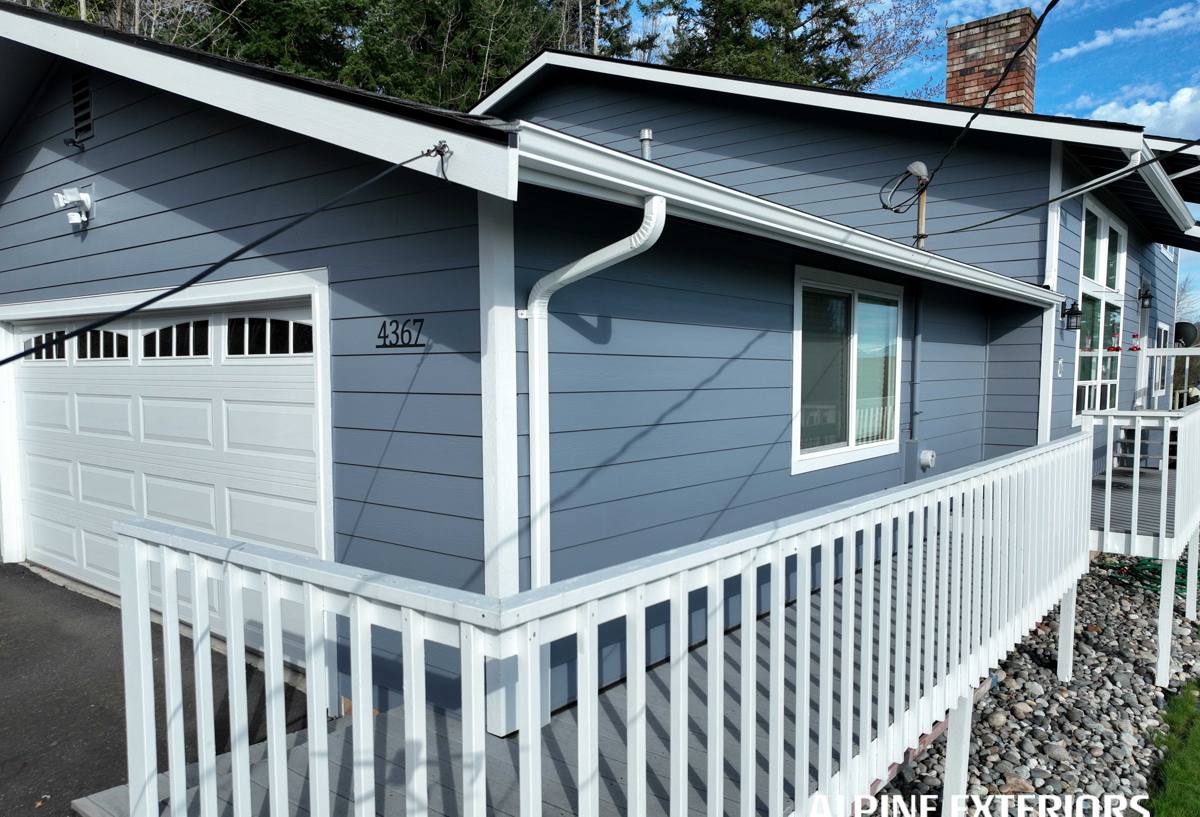
Your roof doesn't work in isolation — it's one part of a building envelope that has to work together to keep wind and water out. We handle siding, windows, and decks alongside roofing because they're often affected by the same climate stress and sometimes the same underlying problem.
Siding
Salt air and UV exposure age siding the same way they age roofing. Gaps, cracked panels, or failed caulking at trim joints let wind-driven rain behind the siding, which can lead to rot or moisture damage that's hidden until it's serious.
Windows
Older or poorly sealed windows are a common source of water intrusion during wind-driven storms, independent of roof condition. Impact-rated and properly flashed windows hold up better against both storm pressure and daily UV exposure.
Decks
Outdoor structures take a direct hit from sun, rain, and humidity with no roof overhead to shield them. Fasteners, ledger connections, and framing need materials and hardware rated for constant Florida exposure, not just a coat of stain.
When we're on-site for a roofing job, we'll flag anything we notice on siding, trim, or windows that could turn into a bigger issue — no upsell pressure, just an honest heads-up.
Why Working With a Local Crew Matters
A contractor who works Pinellas County regularly knows the wind zone requirements, understands how Tampa Bay's microclimate differs from areas farther inland, and has a track record you can actually check locally. Roofing work here isn't generic — it needs to account for salt exposure, humidity, and storm frequency that a crew unfamiliar with the area might not weigh correctly. We also know that a fast response matters after a storm, and being local means we're not driving in from across the state when you need someone quickly.
What Affects the Cost of a Roofing Project
| Factor | Why It Matters |
|---|---|
| Roof size and pitch | More surface area and steeper slopes increase labor and material needs |
| Material choice | Asphalt shingles cost less upfront than metal or tile, but lifespan differs significantly |
| Decking condition | Rotted or soft decking found during tear-off needs replacement before new roofing goes on |
| Number of penetrations | Chimneys, skylights, and multiple vents each require additional flashing work |
| Storm demand timing | Material and labor availability can shift after a major regional storm event |
We give straightforward, itemized estimates so you know what you're paying for and why — no vague lump-sum numbers.
Simple Roof Maintenance Checklist
Between professional inspections, a few habits go a long way toward catching problems early:
- Walk the yard after major storms and look up for missing or displaced shingles
- Check gutters for granule buildup, which signals shingle wear
- Keep tree limbs trimmed back from the roofline to reduce impact and debris risk
- Watch for water stains on interior ceilings, especially after heavy rain
- Have flashing and vent boots checked every few years, since sealants degrade before shingles often do
- Schedule a professional inspection after any named storm that produced sustained high winds in the area
Getting Started
If you're noticing wear, dealing with a leak, or just want a professional read on where your roof stands, we're happy to take a look. Reach out for a free, no-pressure estimate — we'll walk the roof, give you an honest assessment, and lay out your options clearly using the form below.