 Clearwater Roofing
 Roofing on a Barrier Island: What Clearwater Beach Homes Are Up Against
Clearwater Beach sits on a narrow barrier island exposed to the Gulf of Mexico on one side and Clearwater Harbor on the other, which means every roof here works harder than a roof ten miles inland. Homes and condos on the beach face a combination of stressors that rarely show up together anywhere else: sustained coastal winds, tropical storm and hurricane exposure, some of the most intense year-round UV in the country, wind-driven rain that finds every gap in a roof system, and a steady drift of salt air that accelerates corrosion on fasteners, flashing, and metal components. None of these factors is unusual on its own. Together, and applied to a roof day after day for years, they shorten the useful life of materials that would otherwise last much longer a few miles inland in Pinellas County.
We work on roofs up and down the Pinellas coastline, and Clearwater Beach jobs tend to look different from jobs in Clearwater proper or in the inland parts of the county. Salt-laden air moves further inland here, wind loads are calculated differently for near-coastal exposure categories, and older homes on the island were often built to codes that predate the wind mitigation standards adopted after major storm seasons reshaped Florida's building requirements. A roof replacement on the beach isn't just about swapping old shingles for new ones — it's about matching the roof system to the specific exposure that comes with living this close to open water.
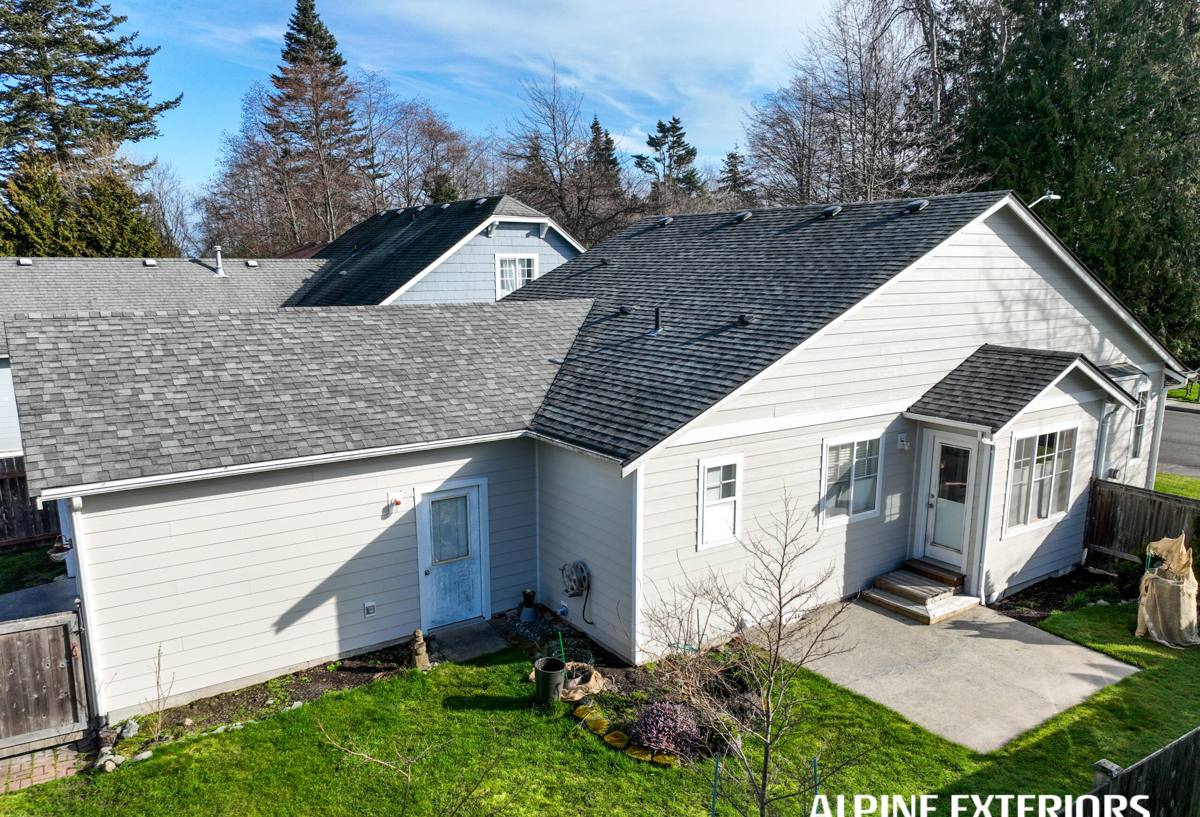
The Four Forces That Wear Down a Beach Roof
Wind
Sustained onshore winds are a daily fact of life at the beach, and tropical systems raise the stakes further. Wind doesn't just tear off loose shingles — it gets under edges, works fasteners loose over time, and finds weak points in flashing long before a storm ever arrives. Roof age and fastening pattern matter as much as material choice when it comes to wind performance.
UV Exposure
Florida sun is intense everywhere, but reflected sunlight off open water adds to the UV load on a beachfront roof. UV breaks down asphalt oils in shingles, causes granule loss, and dries out sealants and rubber components faster than in shadier, inland settings. A roof rated for 25 years inland may show UV wear well before that mark on the beach.
Wind-Driven Rain
Rain that comes in sideways during a storm behaves differently than a straight-down downpour. It gets pushed under shingle tabs, around vents, and into any gap in flashing that a calm-weather rain would never reach. Roofs here need underlayment and flashing details built with that horizontal rain path in mind, not just standard specs.
Salt Air
Airborne salt is corrosive to exposed metal — nail heads, flashing, drip edge, vent stacks, and gutter hardware. Standard fasteners can start showing rust streaks and weakening well before a comparable roof would show wear inland. This is one of the most overlooked factors in beach roofing and one of the most important for long-term performance.
Choosing a Roofing System for This Exposure
There's no single "best" roofing material for every home — the right choice depends on the structure, the roof pitch, HOA or condo association rules (common on the beach), and budget. Here's how the common options compare for this specific environment.
| Material | Wind Performance | Salt/Corrosion Resistance | Typical Lifespan Here | Notes |
|---|---|---|---|---|
| Architectural asphalt shingle (coastal-rated) | Good, with proper nailing pattern | Moderate — depends on fastener quality | 15-20 years | Most common; must specify coastal/high-wind rated product and stainless or coated fasteners |
| Standing seam metal | Excellent | Good with proper coating and fastener selection | 30-45 years | Higher upfront cost, strong long-term value for beachfront exposure |
| Concrete tile | Very good when properly fastened | Good — tile itself doesn't corrode | 30-50 years | Heavier; underlayment and flashing quality matter more than the tile itself |
| Flat/low-slope membrane (condos, additions) | Depends on attachment method | Good with correct materials | 15-25 years | Common on condo buildings and additions; seam and edge detailing is critical |
Whatever material a homeowner chooses, the details matter more here than the label on the shingle bundle. Underlayment quality, flashing at every penetration, fastener material, and edge treatment are what actually determine how a roof performs in year twelve, not just year one.
A Note on Fasteners and Flashing
We default to corrosion-resistant fastener and flashing options for any roof within reach of salt air, which includes essentially all of Clearwater Beach. It costs a little more upfront and it's the difference between flashing that's still doing its job in year fifteen and flashing that's already rusted through and leaking. We'll walk through the specific options and the cost difference plainly — there's no reason to guess on this one.
Signs a Clearwater Beach Roof Needs a Closer Look
Salt air, sun, and wind don't always announce themselves with an obvious leak. A lot of roof damage on the beach shows up first as small, easy-to-miss signs. Worth checking for, especially after storm season or once a roof passes the ten-year mark:
- Granules collecting in gutters or at downspout outlets
- Shingle edges that look curled, lifted, or cracked
- Rust staining running down from vent stacks, flashing, or nail heads
- Soft spots or discoloration on interior ceilings, especially near exterior walls
- Missing or visibly damaged shingles after any named storm or high-wind event
- Daylight visible through the attic where there shouldn't be any
- Flashing around chimneys, skylights, or roof-wall intersections that looks separated or caulked over repeatedly
None of these automatically means a full replacement is needed — sometimes it's a repair, sometimes it's a maintenance issue. But on a barrier island, small issues compound faster than they would inland, so we'd rather take a look early than have a homeowner wait for a leak to show up during the next storm.
How We Approach a Roofing Project on the Beach
Every roof we work on starts with an honest inspection, not a sales pitch. We look at the deck condition underneath, the current flashing details, ventilation, and how the existing system has held up to the specific exposure at that address. From there we walk the homeowner through real options — repair versus replacement, material trade-offs, and what each choice costs over its expected lifespan, not just the sticker price on day one.
For replacements, that means proper tear-off and deck inspection (skipping this step is how hidden rot gets covered up instead of fixed), underlayment suited to wind-driven rain exposure, flashing detail work at every penetration and transition, and a fastening pattern that matches the wind exposure category for that specific property. For condos and multi-family buildings common on the beach, we coordinate with association requirements and building management so the work fits the property's rules and timeline.
Beyond the Roof: Siding, Windows, and Decks in the Same Environment
Roofing is usually the most urgent concern, but the same coastal stressors — salt air, UV, wind, and driving rain — act on every exterior surface of a beach home. We also handle siding, windows, and decks, and we think about them the same way we think about roofs: material selection and installation detail matter more here than they do inland.
Siding on the beach needs to resist moisture intrusion at seams and fastener points, and it needs finishes that hold up under sustained UV rather than chalking or fading within a few years. Windows facing open water benefit from impact-rated glass and corrosion-resistant hardware, both for storm protection and for the daily grind of salt air on standard aluminum components. Decks — especially elevated ones common on beachfront lots — need fasteners and structural hardware rated for coastal exposure, since this is often where corrosion shows up first and where it matters most structurally.
We don't push a bundled package for the sake of it. If a roof is the priority and the siding still has years left, we'll say so. If a deck's structural hardware is showing early corrosion even though the boards look fine, we'll flag that too. The goal is an honest read on the whole exterior, not an upsell.
Permits, Wind Mitigation, and Insurance Considerations
Roofing work in Pinellas County requires permits, and inspections check that installation meets current wind mitigation standards — this applies to Clearwater Beach the same as anywhere else in the county. A properly permitted, code-compliant roof replacement can also qualify a homeowner for a wind mitigation inspection that may reduce insurance premiums, which matters a lot for coastal properties where premiums already run higher. We handle permitting as a standard part of the job and can provide the documentation homeowners need for insurance purposes once work is complete.
For older beach homes that haven't been re-roofed since before current wind mitigation standards took effect, a replacement is often an opportunity to bring the whole structure up to current code — better fastening, improved roof-to-wall connections, and updated flashing — which pays off both in storm performance and in insurance terms.
Why a Local Crew Matters Here
Roofing crews that mostly work inland don't always think in terms of near-coastal wind exposure categories, salt-air fastener corrosion, or the specific flashing details that wind-driven rain demands. Working Clearwater Beach regularly means we see how roofs, siding, and decks in this exact environment age over years, not just how they look on installation day. That shows up in the small decisions — which fastener to spec, how much overlap to build into flashing, when a repair is enough versus when it isn't — that determine whether a roof is still performing well a decade from now.
It also means being available and accountable locally after the job is done, which matters more on a barrier island than almost anywhere, given how quickly weather can turn and how much harder access can get during and after a storm.
Get a Straight Answer on Your Roof
If you're dealing with a roof, siding, windows, or a deck that's showing wear from Clearwater Beach's climate — or you just want an honest read on where things stand — we're happy to take a look. The estimate is free, there's no pressure, and we'll tell you plainly what we see and what your real options are.