 Clearwater Roofing
 Roofing and Exterior Work Built for Belleair Bluffs Homes
Belleair Bluffs is a small, tightly packed residential community tucked between Largo and the Intracoastal Waterway in Pinellas County. It's a great place to own a home, but it's not an easy place to own a roof. Homes here sit close to the water, which means they take on a steady diet of salt air, intense sun, and the kind of wind-driven rain that finds every weak seam in a roofing or siding system. We work throughout Clearwater and the surrounding Pinellas County communities, and Belleair Bluffs comes with its own particular set of challenges that are worth understanding before you plan any exterior project.
This page covers what local homeowners in Belleair Bluffs typically deal with, how our roofing, siding, window, and deck services are built around those conditions, and what to expect if you're planning a repair or full replacement.
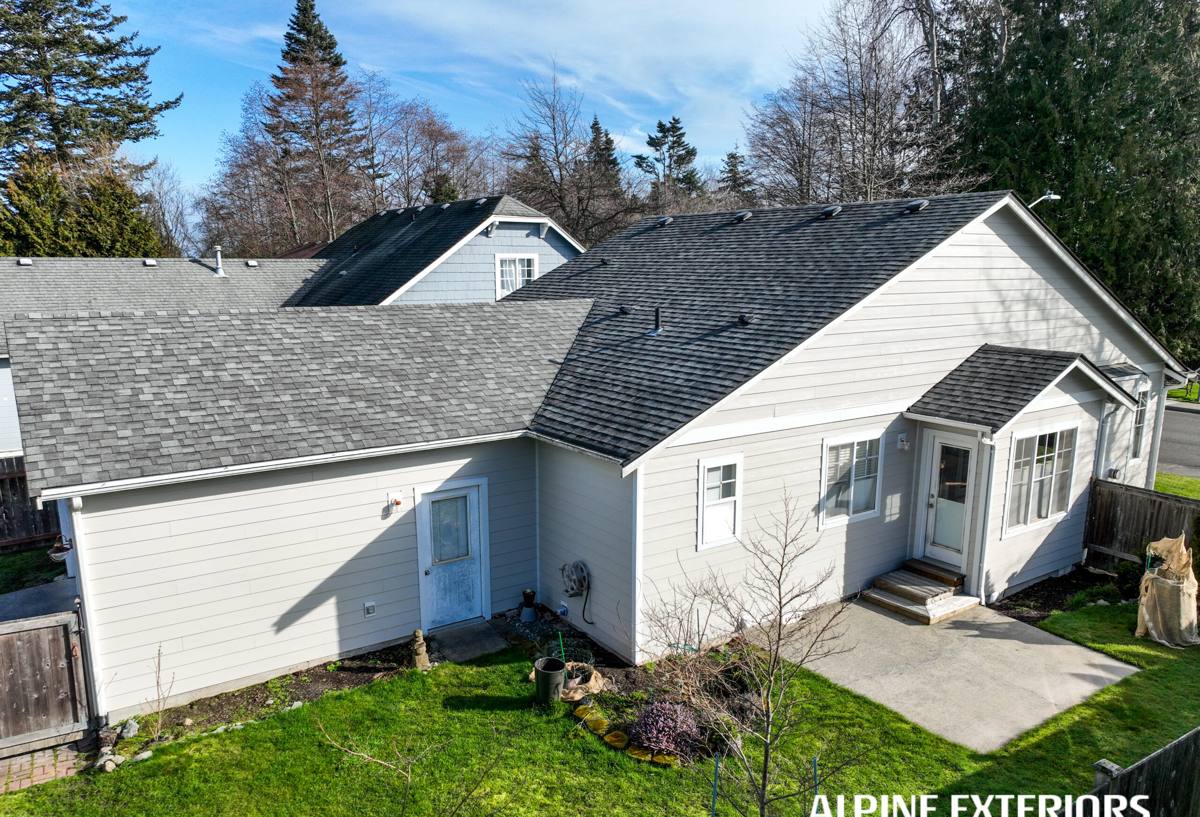
What the Climate Does to Homes in This Area
Salt Air and Coastal Exposure
Because Belleair Bluffs sits so close to the Intracoastal Waterway, homes here are exposed to airborne salt on a near-daily basis, even without a direct ocean view. Salt is corrosive to exposed metal fasteners, flashing, gutters, and hardware. Over years, that corrosion can loosen roofing components long before the shingles or panels themselves wear out. It's one of the reasons fastener quality and metal selection matter more here than in inland parts of the county.
Year-Round UV Exposure
Florida sun is intense in every season, not just summer. UV breaks down asphalt shingle oils over time, causing granule loss, brittleness, and premature aging. Siding and trim take a similar beating — paint fades and chalks faster, and lesser-grade vinyl or composite products can warp or discolor under sustained heat and direct sun.
Hurricane-Force Wind
Pinellas County sits squarely in a hurricane-prone region, and Belleair Bluffs is no exception. Roofs here need to be able to handle sustained high winds and wind gusts during tropical systems, not just everyday storms. Wind doesn't just tear off shingles outright — it works underneath weak edges and flashing, and uplift damage often starts small and spreads if it isn't caught early.
Wind-Driven Rain
Florida storms rarely come straight down. Wind-driven rain gets pushed sideways and upward under eaves, around windows, and into any gap in flashing or siding laps. A roof or wall assembly that would keep out a normal rain can still leak under wind-driven conditions if the underlayment, flashing, and sealing details weren't done correctly the first time.
Roofing Services
We handle both roof repair and full roof replacement for homes throughout Belleair Bluffs and the greater Clearwater area. Our approach starts with an honest inspection — we tell you what's actually wrong, not just what sells a bigger job.
Roof Repair
Common repair calls in this area involve wind-lifted shingle tabs, deteriorated flashing around chimneys and roof penetrations, and slow leaks that show up as ceiling stains well after the storm that caused them. Because salt air accelerates fastener corrosion, we pay close attention to flashing and fastener condition even on roofs that otherwise look fine from the ground.
Roof Replacement
When a roof is past the point of economical repair, we walk homeowners through material options, expected lifespan, and wind-rating considerations relevant to this part of Florida. A proper tear-off, correctly lapped underlayment, and attention to every penetration and edge detail matter more here than the shingle brand printed on the wrapper — most roof failures we see trace back to installation shortcuts, not the material itself.
Storm Damage Assessment
After a named storm or a bad wind event, we can inspect for damage that isn't always obvious from the driveway — lifted tabs, compromised seals, or flashing that's been pulled loose. Catching this early is usually the difference between a modest repair and a much larger interior repair bill down the road.
Siding Services
Siding on a coastal-adjacent home has to do two jobs at once: keep wind-driven rain out of the wall assembly, and hold up under constant sun and salt exposure without chalking, warping, or losing its seal at the seams.
Fiber Cement and James Hardie Siding
We install fiber cement siding as our standard recommendation for homes in this climate. It holds paint longer under intense UV, resists moisture-related swelling and rot better than wood-based products, and doesn't soften or warp in sustained heat the way lower-grade vinyl can. It's a heavier, more labor-intensive install, which is reflected in the cost, but it's a trade-off most homeowners in this climate find worthwhile over the life of the siding.
Vinyl Siding
Vinyl remains a reasonable, budget-conscious option for many homes, particularly on additions, secondary structures, or where matching an existing product is the priority. We're selective about the vinyl products we install and the fastening pattern we use, since vinyl in high-wind coastal zones needs correct nailing and expansion allowance to perform well — installed loosely or over-fastened, it can buckle or blow off in a storm.
Why Installation Quality Matters More Than the Label
Most siding failures we get called out for aren't a defective product — they're a moisture path that shouldn't exist: a missed house wrap seam, a butt joint that wasn't flashed, or trim that was caulked instead of properly integrated into the water管理 plane. We build every siding job around correct water management first, appearance second.
Windows and Doors
Windows are one of the most common points of water intrusion during wind-driven rain events, especially on older homes where original frames and sealants have degraded. For Belleair Bluffs homeowners, we look closely at:
- Impact-rated or wind-rated window options appropriate for Pinellas County wind exposure
- Proper flashing and sealant integration around each window opening, not just caulk over old gaps
- Condition of existing frames — sometimes a window replacement reveals rot or water damage in the surrounding wall that needs to be addressed first
- Energy performance, since UV and heat load are constant here, not seasonal
Door replacement, particularly on exterior entry doors and sliders exposed to direct weather, follows the same logic: the frame, flashing, and threshold detail matter as much as the door itself.
Decks
Outdoor living space is a big part of why people choose to live in a community like Belleair Bluffs, but decks here take real punishment from sun and moisture cycling. We build and repair decks with attention to:
- Fasteners and hardware rated for coastal, salt-air exposure — standard hardware corrodes faster here than inland
- Proper spacing and drainage so wind-driven rain doesn't pool against ledger boards or framing
- Composite and wood decking options, with an honest conversation about maintenance expectations for each
- Structural connections at the house, since ledger attachment is one of the most common failure points on older decks
Comparing Common Exterior Materials for This Climate
| Material | Best For | Coastal/UV Consideration | Typical Maintenance |
|---|---|---|---|
| Asphalt Shingle Roofing | Most residential roofs, cost-effective | UV causes granule loss over time; wind rating matters | Periodic inspection, especially post-storm |
| Metal Roofing | Long-term durability, higher wind resistance | Needs corrosion-resistant fasteners in salt air | Low; occasional fastener check |
| Fiber Cement Siding | Long-term durability, paint retention | Handles UV and moisture well | Repaint every 10-15 years |
| Vinyl Siding | Budget-conscious projects | Can soften/warp under sustained heat if lower grade | Low; occasional cleaning |
| Wood Decking | Traditional look | Sensitive to moisture cycling and UV | Annual sealing/staining |
| Composite Decking | Low-maintenance outdoor living | Resists moisture and fading well | Occasional cleaning |
What Drives the Cost of a Project
Every home and every project is different, but a few factors consistently move the price up or down on roofing, siding, window, and deck work in this area:
- Scope — repair versus full replacement, and how much of the substrate underneath needs to be addressed once it's opened up
- Material selection — fiber cement versus vinyl, asphalt shingle versus metal, wood versus composite decking
- Access and roof/wall complexity — steep pitches, multiple stories, and complicated rooflines all add labor time
- Existing damage — hidden rot, water damage, or corroded framing found once old material comes off
- Wind-rating requirements — higher-rated products and installation methods for coastal wind exposure generally cost more upfront
We give straightforward, itemized estimates so you know what you're paying for and why, rather than a single lump number.
Why a Local Crew Matters
A contractor working across all of Pinellas County day in and day out understands how differently Belleair Bluffs' salt-air, wind, and UV exposure treats materials compared to homes further inland. That local familiarity shows up in the details — the fasteners we choose, the flashing details we insist on, and the honest conversations we have about which products are worth the extra cost in this specific environment. We're not guessing at what holds up here; we see the results of good and bad installations across Clearwater and the surrounding communities regularly.
We also understand the practical side of living in a hurricane-prone coastal county: homeowners want work done right the first time, with materials and methods that won't leave them exposed when the next storm system comes through.
A Quick Homeowner Checklist
- Inspect your roof after any significant wind event, even if you don't see obvious damage from the ground
- Check exterior fasteners and hardware periodically for signs of corrosion, especially on decks and railings
- Watch for chalking, fading, or warping on siding as an early sign it's time for a closer look
- Address small leaks or water stains promptly — they rarely stay small in this climate
- Ask any contractor about wind ratings and flashing methods specific to coastal Pinellas County exposure, not just generic Florida requirements
Get an Honest Estimate
If you're dealing with a roofing issue, thinking about new siding, replacing windows, or planning a deck project in Belleair Bluffs, we're happy to take a look and give you a straightforward, no-pressure estimate. Use the form below to get started.