 Clearwater Roofing
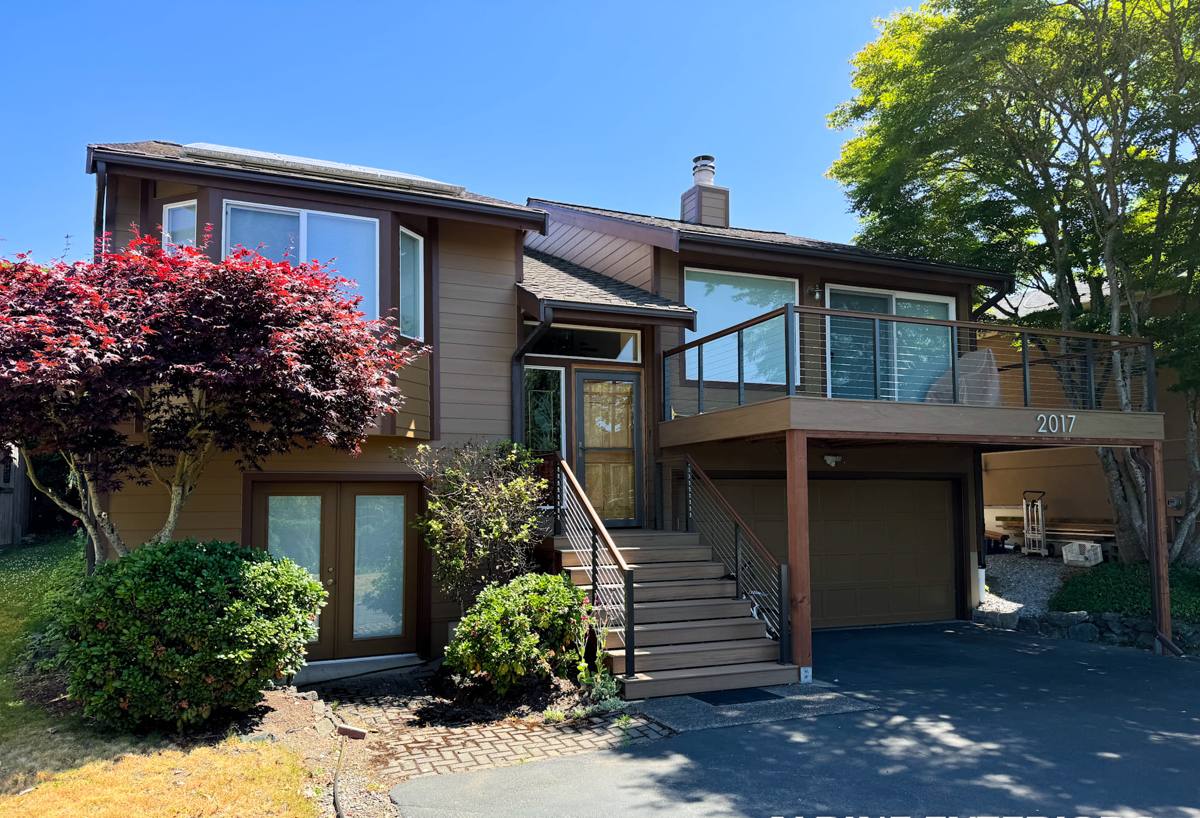
 Belleair Bluffs is a small city, and most of the housing stock reflects that — modest mid-century ranches, some newer infill, a lot of homes that have had one or two rounds of updates since they were built. What sets window work here apart isn't size or density, it's exposure. The city sits on the high ground above Clearwater Harbor and the Intracoastal, which means less flood risk than the barrier islands but no break from the wind, sun, and salt that come off the water. A window installed here has to survive the same climate stress as a beachfront property, just without the storm-surge conversation attached to it. That distinction matters when you're deciding what kind of window actually belongs on your house.
Why Belleair Bluffs Sits in a Different Category Than "Inland Florida"
It's easy to assume that because Belleair Bluffs isn't directly on the Gulf, window requirements here are the same as a home twenty miles inland. They aren't. The city is close enough to open water that wind exposure, salt drift, and storm-driven rain all behave more like a coastal property than a true inland one, even though the elevated ground reduces some of the flooding risk that waterfront neighborhoods deal with. Pinellas County's wind-borne debris and impact requirements are based on wind zone and proximity to the coast, and Belleair Bluffs falls well within the range where those rules apply. That means most window replacements here need to meet impact standards, not just look the part — this isn't a market where a builder-grade window from a big box store is going to hold up or pass inspection the way it might somewhere further inland.
The other factor is the age and type of the housing stock. A lot of Belleair Bluffs homes still have original or early-replacement windows from decades ago, built to a much lower wind standard than current code requires. Those units weren't wrong when they went in — they just predate the requirements that now apply to this part of the county. Replacing them isn't just a cosmetic upgrade; it's closing a real gap between what the house currently has and what current wind and impact code actually calls for.
What the Climate Actually Does to Windows Here
Four things do most of the damage to windows in this part of Pinellas County, and they work on different timelines. Hurricane-force wind events are the most obvious — direct pressure on glass and frame during a storm, plus the risk of wind-borne debris impact, which is exactly what impact-rated glass and reinforced framing are built to resist. Year-round, intense UV is a slower problem but a constant one: it breaks down cheaper vinyl formulations, dries out weatherstripping, and degrades sealants over years of exposure, well before a storm ever tests the window structurally. Wind-driven rain — during named storms, but also during ordinary summer squalls — pushes water sideways into wall assemblies in a way that vertical rain never does, and it's the single biggest reason older flashing details fail. And salt air, carried inland off the harbor and Gulf beaches, works on hardware, fasteners, and screen frames continuously, not just when a storm rolls through.
None of these forces act alone. A window with a marginal seal will fail faster under constant UV cycling; a frame with corroding hardware won't perform to its rated wind pressure when it actually matters. That's why we evaluate a window replacement in Belleair Bluffs as a system — glass, frame, hardware, and installation — rather than judging it on glass rating alone.
Where Failures Actually Start
On most of the older windows we see in this area, the glass itself is rarely the first thing to go. Failure starts at the edges — a sealant joint that dried out and cracked after years of sun, a sill that was never properly flashed and has been letting water into the wall cavity slowly, hardware that's seized up from salt corrosion so the window doesn't close tight anymore. Those are slow failures. They don't announce themselves the way a cracked pane does, which is why so many Belleair Bluffs homeowners don't realize their windows are compromised until a storm makes the problem obvious.
Signs Your Windows Are Overdue for Replacement
Some of these are easy to miss because they develop gradually. Worth checking for before hurricane season, not during it:
- Visible fogging or condensation between panes on double-glazed units — the seal has failed and the insulating gas is gone
- Windows that are difficult to open, close, or lock, especially after years of salt exposure on the hardware
- Soft spots, discoloration, or bubbling paint on the wall or trim immediately around a window frame
- Visible daylight or a noticeable draft around the frame when the window is closed
- Chalky, brittle, or yellowed vinyl or aluminum framing that's clearly past its expected service life
- No visible impact rating or hurricane compliance label on windows facing an unobstructed wind path
- Noticeably higher cooling bills that coincide with older single-pane or non-insulated units
What a Correct Window Installation Job Involves
Assessment First, Not a Catalog Order
Every job starts with a field measurement of the actual opening and an honest look at that wall's wind exposure — a window on an exposed western or gulf-facing elevation gets treated differently than one on a sheltered side of the house. That assessment is what determines the impact rating and anchoring method the replacement needs to meet Pinellas County's wind-borne debris requirements. Skipping this step and ordering off a generic size is how homeowners end up with a window that technically fits the opening but doesn't meet the wind load the wall actually sees.
Removal and Opening Prep
Older Belleair Bluffs homes often have framing or sill conditions that have been quietly deteriorating behind the old window for years — wood rot from a failed seal, corrosion on old anchors, or a sill that was never properly sloped to shed water. We check for that as soon as the old unit comes out, and we address it before the new window goes in, not after. Setting a new, code-compliant window into a compromised opening defeats the purpose of the upgrade.
Setting and Anchoring
The anchoring pattern has to match the size of the unit and the wind load the wall is rated to handle — this is a structural step, not just a matter of screwing the frame into place. Larger openings and units on more exposed walls need more attachment points, spaced and fastened to the manufacturer's tested specification for the impact rating being installed.
Flashing and Weatherproofing
This is the step that decides whether a window actually keeps water out during wind-driven rain, and it's the step that gets rushed most often on lower-quality installs. Flashing has to be layered correctly — each piece lapped over the one below it — so water is directed out and away from the wall assembly rather than trapped behind it. A sill that isn't properly flashed will eventually let water in no matter how good the window itself is.
Hardware, Sealant, and Finish
Salt air in this part of the county goes after fasteners, hinges, and screen hardware whether or not a storm ever comes through. We spec corrosion-resistant hardware as standard on installs this close to the water, and we finish sealant joints and trim to hold up under sustained UV and salt cycling rather than just looking clean on the day of install.
Our Process, Start to Finish
- On-site assessment — field measurement of the opening, evaluation of that wall's wind exposure, and a check for any hidden framing or sill issues
- Honest recommendation — the impact rating, frame material, and configuration that actually fit your home and budget, explained plainly, not upsold
- Ordering and lead time — a realistic timeline, since impact-rated units are typically built to order rather than pulled off a shelf
- Removal and opening prep — old unit comes out carefully, with any rot, corrosion, or flashing issues addressed before the new window goes in
- Installation and anchoring — the new unit is set and fastened to meet the wind load requirements for that specific opening and wall
- Flashing, sealant, and trim — weatherproofing detailed for the actual opening, then finished to match the rest of the home's exterior
Frame Materials: What Actually Holds Up Here
Frame material choice matters more in Belleair Bluffs than it would in a drier, more inland climate, because every material on the market is being tested by the same combination of UV, humidity, and salt drift at once.
| Frame Material | How It Performs in This Climate |
|---|---|
| Vinyl | Budget-friendly and low-maintenance; quality varies a lot between manufacturers, and lower-grade vinyl can yellow or become brittle faster under sustained Florida UV |
| Fiberglass | Holds dimensional stability and color well under heat and UV cycling; generally a strong long-term option for coastal-adjacent exposure like this |
| Aluminum | Strong and slim-profile, but needs a quality finish and corrosion-resistant hardware to hold up against salt air over time |
| Wood | Best suited as an interior finish with a protected, low-maintenance exterior cladding rather than bare exterior exposure in this climate |
We don't push one material as a blanket answer for every home. A fiberglass or quality vinyl unit is usually the practical choice for most Belleair Bluffs replacements, but the right call depends on the specific wall's exposure, the home's existing trim and finish, and what the homeowner actually wants to maintain over the next couple of decades.
Cost Factors: What Actually Moves the Price
| Factor | What Changes the Price |
|---|---|
| Impact rating required | More exposed walls typically need a higher-rated unit than a sheltered elevation of the same house |
| Opening condition | Rot, corrosion, or old flashing failures found during removal add repair work before the new window goes in |
| Size and configuration | Larger openings, sliders, and non-standard shapes cost more to source and install than a standard single or double-hung unit |
| Frame material | Fiberglass generally costs more upfront than vinyl but typically needs less maintenance over its service life in this climate |
| Number of units | A whole-house or multi-window project usually has better per-unit economics than replacing one window at a time |
Quick Checklist Before You Sign a Contract
- Confirm the opening was field-measured, not estimated from a generic size chart
- Ask what impact rating is being proposed and why it fits that specific wall's exposure
- Get the anchoring plan explained in plain terms, especially for larger or sliding units
- Ask about the flashing and weatherproofing plan for your specific opening, not a generic answer
- Confirm hardware and fasteners are corrosion-resistant, not standard-grade
- Get a written, realistic lead time — impact-rated units are typically built to order
- Make sure the unit itself and the installation labor each carry a clear, written warranty
Why Hiring a Crew That Already Works Belleair Bluffs Matters
Manufacturer installation instructions are written for average conditions, and this stretch of Pinellas County rarely qualifies as average. A crew that doesn't regularly work this close to the harbor can get the impact rating right on paper and still miss the details that actually keep a window performing — how much overlap a flashing lap needs on a given sill profile, which hardware actually resists salt corrosion versus what's just labeled "coastal," how an older Belleair Bluffs home's original framing tends to behave once you open the wall up. Those are judgment calls made on site, not something a spec sheet decides for you.
We work Belleair Bluffs and the surrounding Clearwater and Largo area regularly, which means we're not guessing at how a particular wall orientation, home age, or construction type tends to hold up here over time. That local track record is what shows up in the details that actually matter after the crew leaves — whether the flashing still sheds water correctly after a few years of wind-driven rain, whether the hardware still operates smoothly after a few hurricane seasons of salt exposure, and whether the window is still sealed tight rather than starting to show drafts or leaks.
Permits and Code in Belleair Bluffs
Window replacements in this part of Pinellas County typically require a permit, and inspectors are checking that the installed unit's documented impact rating and anchoring actually match what the wall's wind exposure requires — not just that a window got installed. Skipping the permit step might save time up front, but it leaves you without documentation that can matter for insurance, and it removes the third-party check that confirms the installation was actually done to the standard the code requires. We handle the permitting as part of the job rather than leaving it for the homeowner to sort out separately.
If your windows in Belleair Bluffs are original to the house, showing their age, or you're just not confident they'd hold up through another hurricane season, it's worth having someone take an honest look before you start pricing units on your own. We offer free, no-pressure estimates — use the form below to get a time on the schedule.