 Clearwater Roofing
 Exterior Work Built for a Barrier Island
Indian Rocks Beach sits on a narrow strip of land between the Gulf of Mexico and the Intracoastal Waterway, which means almost every home in town is close to salt water on both sides. That's part of what makes it such a desirable place to live, and it's also exactly why roofs, siding, windows, and decks here wear out faster than they would ten or twenty miles inland. We work throughout Pinellas County, but barrier island homes like the ones in Indian Rocks Beach get a different kind of attention because the exposure is different — more wind, more salt, more direct sun reflecting off open water.
A roof or siding job that would hold up fine in a shaded inland neighborhood can fail early on a house that takes wind off the Gulf every day. We don't treat every project the same way, and for this area that means paying closer attention to fastener choice, flashing details, and material ratings from the start.
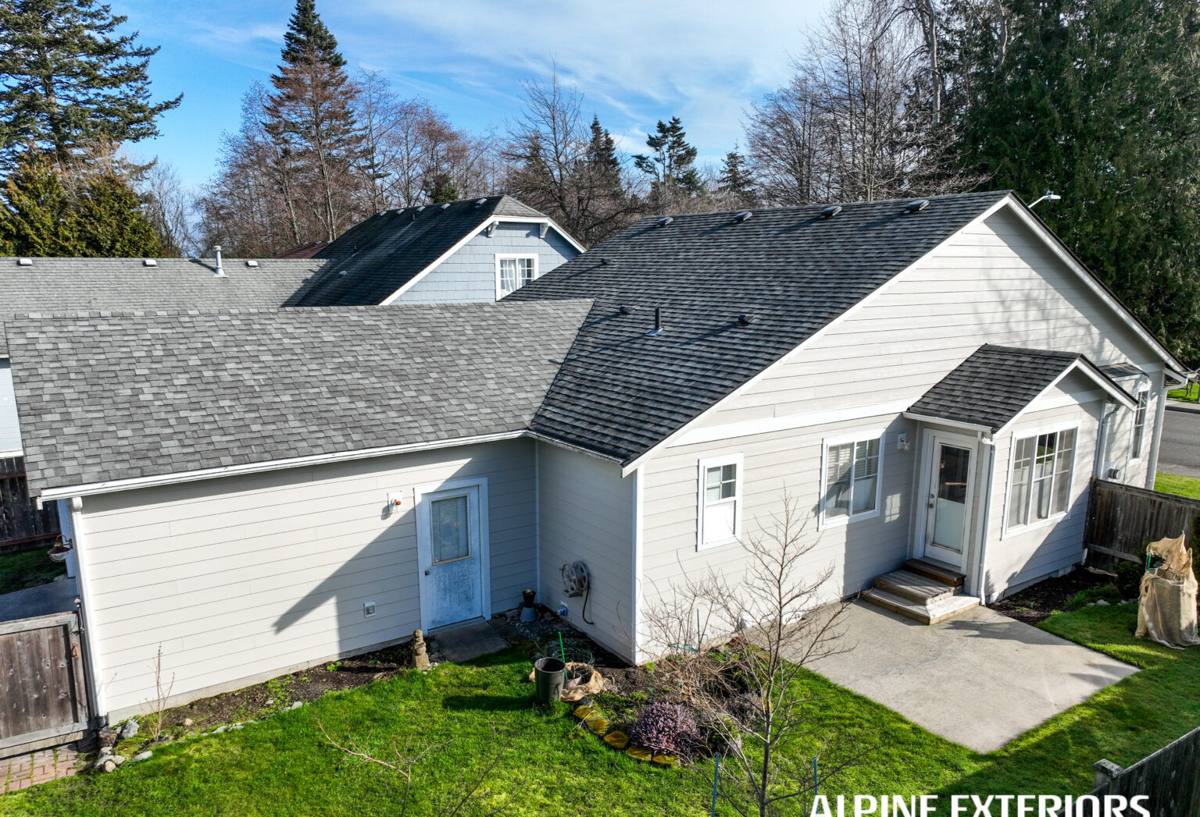
What the Climate Actually Does to Homes Here
Wind
Being on a barrier island means fewer trees and buildings to break up the wind before it reaches your house. Even outside of a named storm, sustained onshore wind puts steady pressure on roof edges, ridge caps, and siding seams. Over years, that constant load loosens fasteners and works at any weak point in the installation. During hurricane season, that same exposure is why wind rating matters more here than almost anywhere else in the county.
Salt Air
Salt in the air doesn't just affect things right on the waterfront — it travels and settles on every exposed surface across the island, including metal flashing, fasteners, gutters, and window hardware. Left unaddressed, it accelerates corrosion in a way that inland Pinellas County homes simply don't experience at the same rate.
Sun and UV
Florida sun is intense everywhere, but reflected glare off open water adds to the UV load on roofs and siding facing the Gulf or the Intracoastal. That extra exposure breaks down lower-grade roofing materials and fades or chalks siding finishes faster than the manufacturer's standard estimates assume.
Wind-Driven Rain
Storms here rarely arrive straight down. Wind-driven rain gets pushed sideways and upward into laps, seams, and gaps that a well-built exterior is designed to shed water from — but only if the flashing and underlayment were done right the first time. This is where most water intrusion problems on the island actually start: not from a leaky-looking roof, but from wind pushing rain into a seam that was fine in calm weather.
Roofing for Indian Rocks Beach Homes
Most of what we do on the island falls into three categories: full roof replacements on older homes that have simply reached the end of their service life, storm-damage repairs after wind or rain events, and proactive re-roofs for owners who want to get ahead of problems before they show up as a leak inside the house.
For coastal Pinellas County homes, we generally steer clients toward roofing systems with strong wind ratings and corrosion-resistant fasteners and flashing — stainless or coated hardware instead of standard galvanized, especially in the first several hundred feet from open water. It costs a little more up front, but replacing corroded fasteners under a roof that's otherwise sound is a bad trade compared to installing the right hardware once.
Common Roofing Choices We Install
- Architectural asphalt shingles rated for high wind, a solid mid-range option for most homes
- Metal roofing for owners who want maximum wind and corrosion resistance over the long term
- Tile roofing for homes where the architectural style calls for it, installed with attention to underlayment and fastening given the wind exposure
Siding That Can Handle Salt Air
Siding on the island takes a different kind of beating than roofing does — it's the surface that's constantly in contact with salt-laden air at eye level, and it's the first thing people notice when a finish starts to fail. Fiber cement siding is our default recommendation for most Indian Rocks Beach homes because it resists moisture, doesn't warp in humidity swings, and holds paint and color better over time than lower-grade vinyl products in this kind of environment.
We're honest about trade-offs on every material we install. Vinyl siding is a reasonable budget option, but in a barrier island environment it tends to fade, become brittle in direct sun over time, and can loosen under sustained wind load faster than fiber cement. That's not a knock on vinyl as a product — it's simply a maintenance and longevity trade-off worth knowing about before you choose, especially this close to open water.
Windows and Doors: Your Building Envelope's Weak Points
Windows and doors are where most building envelopes actually fail first, not the roof or siding field. Seals age, frames flex under wind load, and older single-pane or non-impact windows on the island are frequently the source of both energy loss and water intrusion during storms.
For Indian Rocks Beach homes, impact-rated windows are worth serious consideration even outside of any local code requirement, simply because of the wind exposure. They also cut down on the noise and glare that comes with living close to open water, and they reduce the need for separate storm shutters during hurricane season.
Decks: Salt, Sun, and Moisture All at Once
A deck on a barrier island faces every climate stress at the same time — constant sun, salt air, and moisture from both rain and humidity. Untreated or poorly maintained wood decking can gray, splinter, and loosen fasteners within just a few years in this environment. Composite decking has become the more common choice for exactly this reason: it doesn't absorb moisture the way wood does, and it holds up better against the combination of UV and salt that's constant here.
Whatever material you choose, the fasteners and framing underneath matter as much as the decking boards themselves. We use corrosion-resistant hardware on every deck we build or repair on the island, because standard fasteners are one of the first things to fail in this kind of salt exposure.
Comparing Common Exterior Materials for Coastal Exposure
| Material | Wind Performance | Salt Air Resistance | Typical Maintenance |
|---|---|---|---|
| Architectural shingles | Good with proper fastening | Moderate | Periodic inspection, gutter clearing |
| Metal roofing | Excellent | Good with coated fasteners | Low |
| Tile roofing | Good with correct installation | Good | Occasional tile checks after storms |
| Fiber cement siding | Good | Good | Repaint every several years |
| Vinyl siding | Fair, can loosen under sustained wind | Fair, fades faster near water | Low, but shorter lifespan here |
| Wood decking | N/A | Poor without regular sealing | Annual sealing/staining |
| Composite decking | N/A | Good | Low |
Why a Local Crew Matters on the Island
Indian Rocks Beach has its own permitting process and its own particular building conditions — narrow lots, close setbacks, older homes mixed in with newer construction, and flood zone considerations that don't necessarily apply the same way even a few miles inland in Clearwater. A crew that works across Pinellas County regularly, rather than one that only shows up occasionally, has a better handle on what inspectors here expect and what actually holds up under real island conditions versus what looks fine on paper.
We also know that access on the island can be tighter than on the mainland — narrower streets, limited parking, and closer neighbors. We plan projects with that in mind so the work gets done without unnecessary disruption to you or the people next door.
Signs Your Home May Need Attention
Because a lot of coastal damage happens gradually, it's easy to miss until it becomes a bigger repair. Here's what we recommend homeowners keep an eye on:
- Rust streaks around roof fasteners, flashing, or gutter hardware
- Chalky or faded siding that wipes a powdery residue onto your hand
- Soft spots or discoloration on ceilings near exterior walls, often a sign of a slow roof or window leak
- Window or door frames that feel drafty or don't seal tightly anymore
- Deck boards that feel soft, spongy, or show loose fasteners
- Missing, lifted, or cracked shingles or tiles after any windstorm, even a minor one
Maintenance That Actually Extends the Life of Your Exterior
Coastal exposure doesn't mean you're stuck replacing things constantly — it means routine maintenance matters more here than it does inland. A yearly walk-around after hurricane season, rinsing accumulated salt off siding and roofing periodically, keeping gutters clear so water doesn't pool against fascia, and catching small fastener or flashing issues before they become leaks all go a long way toward getting full value out of whatever materials you've chosen.
If it's been several years since your roof, siding, windows, or deck were last inspected, or if you're not sure how your home's exterior is holding up against the salt air and wind exposure that comes with living this close to the Gulf, we're happy to take a look and give you a straightforward, no-pressure assessment of what you're working with and what — if anything — needs attention now versus down the road. Reach out for a free estimate using the form below.