 Clearwater Roofing
 Exterior Contracting in Sunset Point, Clearwater
Sunset Point sits along the water on the north side of Clearwater, in Pinellas County, and homes here live with a set of conditions that inland Florida properties simply don't face. Being close to Clearwater Harbor and the Intracoastal means salt-laden air moves through the neighborhood daily, hurricane season brings direct exposure to wind and wind-driven rain, and the sun is intense enough, year-round, to break down roofing and siding materials faster than most manufacturers' warranties assume. We work on homes throughout this part of Clearwater, and we've built our approach around what actually holds up under those specific conditions, not a generic install.
This page covers what we see most often on Sunset Point roofs, siding, windows, and decks, how our process works, and what homeowners in this part of Pinellas County should know before hiring anyone for exterior work.
What the Sunset Point Climate Does to a Home
Salt Air and Corrosion
Proximity to open water means airborne salt settles on every exterior surface, not just the roof. It accelerates corrosion on exposed metal fasteners, flashing, gutter hardware, and window frames. A fastener or flashing detail that would last decades in a landlocked county can start showing rust streaks or pitting in a fraction of that time near the harbor. This is one of the most overlooked reasons a roof or siding job fails early in this neighborhood: it's rarely the main material that gives out first, it's the small metal components holding it together.
UV Exposure
Florida's sun is strong nearly every day of the year, and Pinellas County gets more direct exposure than most of the state given how little tree canopy blocks a lot of these lots. UV breaks down asphalt shingle oils, causes vinyl siding to fade and become brittle, and degrades sealants and caulking around windows and doors well before the structural material itself is due for replacement. Homeowners are often surprised that the sealant failed years before the shingles or siding did.
Hurricane Winds and Wind-Driven Rain
Sunset Point's waterfront-adjacent position means it can see stronger sustained winds during tropical systems than areas set back further from the harbor. Wind doesn't just risk tearing off roofing material outright, it drives rain sideways and upward under laps, flashing, and trim that were only designed to shed water moving straight down. Most storm-related water intrusion we see didn't come from a dramatic failure, it came from wind-driven rain finding a small gap that never mattered until the wind pushed water into it.
Humidity and Moisture Cycling
Between the harbor humidity and daily thunderstorm patterns in summer, exterior materials in this area go through constant wet-dry cycling. That cycling stresses seams, joints, and any material prone to swelling or trapping moisture, which is a big part of why we're selective about certain siding and trim products for homes this close to the water.
Roofing for Sunset Point Homes
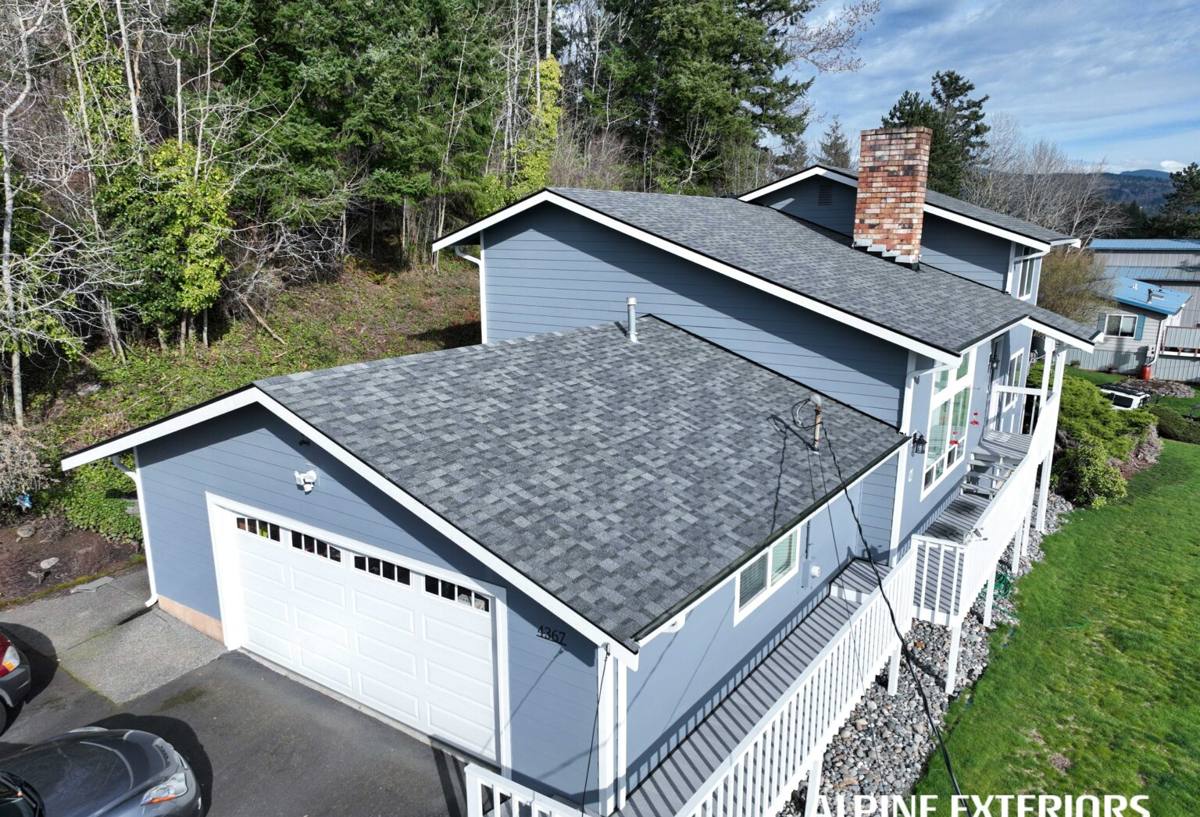
Roofing is usually the first thing homeowners call us about, and it's the system that takes the most direct abuse from sun, wind, and salt combined. We work with asphalt shingle systems, metal roofing, and flat or low-slope roofing depending on the home's style and the homeowner's priorities.
Shingle Roofing
Architectural asphalt shingles remain a solid, cost-effective choice for most Sunset Point homes when installed correctly. The install details matter more here than the shingle brand: proper underlayment, correctly lapped and sealed flashing at every penetration and wall transition, and nailing patterns that meet Florida's wind-rating requirements. A shingle roof installed to code with attention to those details performs well in this climate; one installed with shortcuts is where we see premature leaks and blow-offs.
Metal Roofing
Metal roofing has become increasingly popular near the water because of its wind performance and long service life, but not every metal system is equal in a salt-air environment. We pay close attention to fastener type, coating quality, and panel design to reduce the corrosion risk that salt air creates, since the fasteners and cut edges are usually where a metal roof shows wear first in a coastal setting.
Flat and Low-Slope Roofing
Some homes and additions in this area have flat or low-slope sections, which need a membrane system designed for standing water and thermal movement rather than a shingle product. These systems need to be watched more closely for seam integrity, since a compromised seam on a flat roof tends to let water travel before it shows up as an interior stain, unlike a sloped roof where the leak point is usually closer to where the damage appears.
Roofing Material Comparison
| Material | Typical Lifespan | Coastal/Salt Air Considerations | Wind Performance |
|---|---|---|---|
| Architectural Asphalt Shingle | 20-30 years | Moderate; install quality and flashing matter most | Good when rated and nailed correctly |
| Metal (standing seam) | 40-50+ years | Needs corrosion-resistant fasteners and coatings | Excellent |
| Flat/Low-Slope Membrane | 15-25 years | Seam integrity is critical near salt air and heat cycling | Good with proper attachment |
| Tile | 40-50+ years | Durable material, but underlayment fails before tiles do | Very good when properly fastened |
Siding for Coastal Exposure
Siding on a Sunset Point home is doing more work than people assume, it's the primary barrier against wind-driven rain and constant UV and salt exposure on the walls. We install and repair a range of siding materials, and we're upfront with homeowners about trade-offs rather than pushing one product for every situation.
Fiber cement siding has become a preferred option for a lot of our coastal-area customers because it holds paint well, resists moisture-related swelling better than wood-based products, and doesn't become brittle under UV the way some vinyl products can over a long service life. Vinyl siding still has a place, particularly on a budget-conscious project, but it's more sensitive to sun exposure over decades and to impact in high-wind events, so we talk through those trade-offs honestly rather than treating it as a one-size-fits-all answer.
Whatever the material, the installation details, proper flashing at every window and door opening, correct overlap, and sealed penetrations, are what actually keep wind-driven rain out. We've been called to repair siding jobs where the material itself was fine, but the flashing and sealant details were rushed, and that's exactly where water got in.
Windows That Hold Up to Wind and Salt
Windows are one of the more vulnerable points on any coastal home, both for wind resistance and for the slow damage salt air and UV cause to frames and seals over time. For homes in this part of Pinellas County, we focus on impact-rated or wind-rated windows appropriate to the home's exposure, correct flashing and sealing at the rough opening, and hardware and frame materials that won't corrode prematurely near the harbor.
A window that's rated correctly but installed with a poor seal at the frame is still a leak risk in a wind-driven storm. We treat the installation detail as equally important as the window's rating, because that's genuinely where most failures originate.
Common Window Issues We See Near the Water
- Seal failure and fogging between panes from years of UV and heat cycling
- Corroded hardware, latches, and hinges from salt air exposure
- Water intrusion at the frame during wind-driven rain, usually a flashing or sealant issue rather than the window unit itself
- Frame discoloration or degradation on older, non-impact-rated units
- Difficulty opening or closing from frame warping in humidity cycling
Decks in a Waterfront-Adjacent Climate
Given Sunset Point's location near the harbor, a lot of homes here have outdoor living space, decks, that see near-constant sun and humidity along with occasional salt spray. Wood decking requires more regular maintenance in this environment: sealing, staining, and inspecting fasteners for corrosion. Composite decking has become a popular alternative for homeowners who want to reduce that maintenance burden, since it resists UV fading and moisture absorption better than most untreated wood, though it still needs a substructure and fastener system built to handle Florida humidity and coastal air.
Whichever material a homeowner chooses, we build the structural frame with corrosion-resistant fasteners and hardware as a standard, not an upgrade, because that's the part of a coastal deck that fails first if it's cut with standard hardware.
Our Process for Sunset Point Homeowners
- Inspection. We look at the whole exterior system, not just the component you called about, since a roof, siding, and window issue in a coastal home are often connected.
- Honest assessment. We tell you what needs attention now, what can wait, and what's cosmetic versus functional.
- Straightforward estimate. Written, itemized, and explained so you understand what you're paying for and why.
- Correct installation. Proper flashing, fastening, and sealing details matter more in this climate than brand names, and that's where we put our attention.
- Follow-up. We stand behind the work and are reachable if something comes up after the job is done.
Why a Local Crew Matters Here
A crew that works across Pinellas County regularly, and specifically in waterfront-adjacent neighborhoods like Sunset Point, knows which fastener grades, flashing details, and material choices actually hold up here versus what merely meets code on paper. We also understand Clearwater's permitting process and the wind-load and impact requirements that apply to homes in this area, which keeps projects moving without avoidable delays. That local familiarity is part of what separates a durable exterior job from one that needs revisiting in a few years.
A Practical Maintenance Checklist for Sunset Point Homes
- Rinse salt residue off roofing, siding, and window frames periodically, especially after dry, windy stretches
- Inspect and clear gutters before hurricane season and again after major storms
- Check caulking and sealant around windows and doors annually, since UV breaks it down faster here than inland
- Look at exposed fasteners and metal hardware for early rust or pitting
- After any named storm, do a visual check for lifted shingles, loose siding panels, or new water stains inside
- Reseal or restain wood decking on a regular schedule rather than waiting for visible wear
Get a Free Estimate
If you're dealing with an aging roof, siding that's taken a beating from the sun, windows that let in more air and water than they should, or a deck that needs attention, we're happy to take a look. We offer free, no-pressure estimates for homeowners in Sunset Point and throughout the Clearwater area, use the form below to get started.