 Clearwater Roofing
 Roofing Built for Largo's Gulf Coast Conditions
Largo sits in the middle of Pinellas County, tucked between Clearwater and the barrier islands but still close enough to Tampa Bay and the Gulf to feel the same salt air, humidity, and storm exposure as its coastal neighbors. Homes here run the full range, from older ranch-style houses built decades ago to newer construction in developing subdivisions, and nearly all of them share the same roofing challenge: a roof in this part of Florida has to handle year-round UV exposure, sudden downpours, and the real possibility of a tropical system or hurricane every single season. A roof that isn't built and maintained with that in mind will show its age faster than it should.
We work on roofs throughout Largo and the surrounding Pinellas County area, and the patterns of wear we see are consistent. Understanding those patterns is the first step to getting a roof that actually holds up.
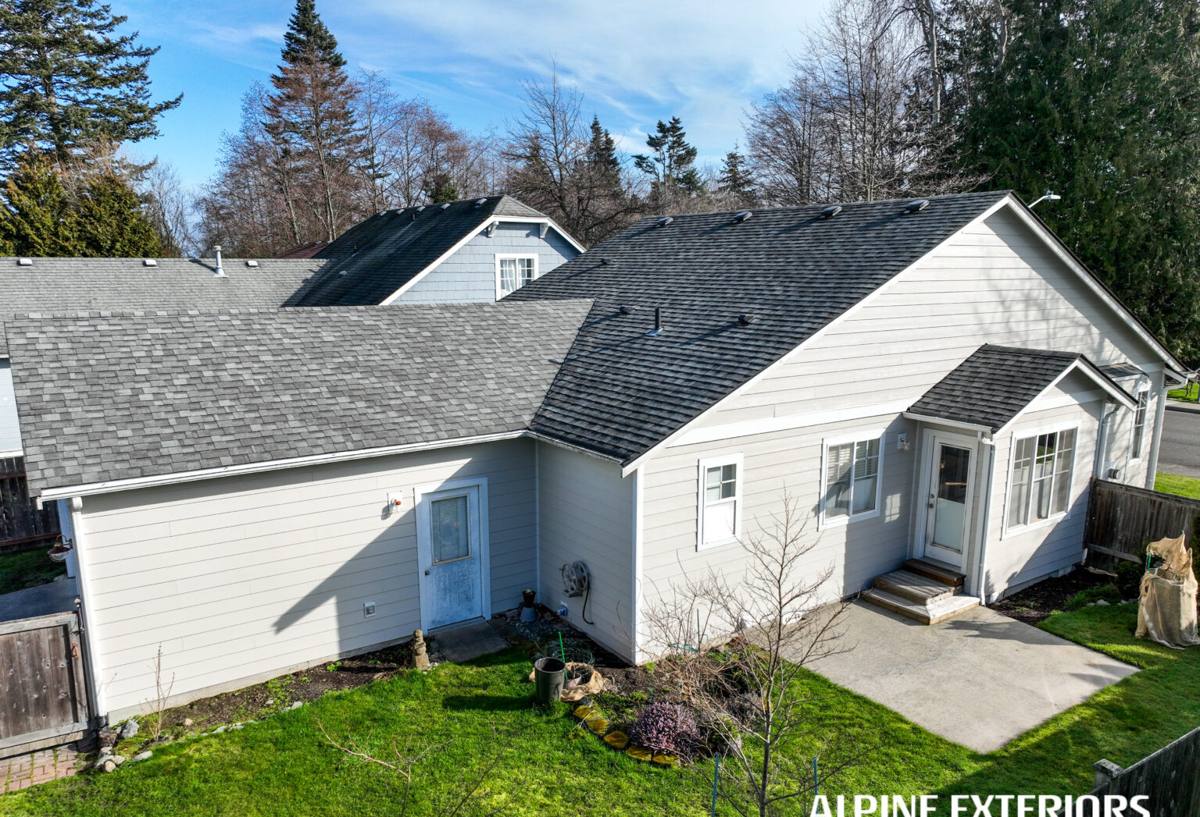
What Largo's Climate Does to a Roof
Intense, Constant UV
Florida sun is not seasonal the way it is in much of the country — it's a near year-round load on roofing materials. Asphalt shingles lose granules and oils over time as UV breaks down the asphalt binder, which is why a shingle roof in this region often ages faster than the same product would in a milder climate. Dark-colored roofing also absorbs more heat, which can accelerate that breakdown and add to attic temperatures.
Wind-Driven Rain
It's rarely just rain here — it's rain pushed sideways by wind, which finds every weak point in flashing, underlayment, and shingle seals. A roof that would keep out a straight-down rain in a calmer climate can still leak in Largo if the underlayment, flashing details, and edge treatments weren't installed with wind-driven rain specifically in mind.
Hurricane-Force Wind Events
Pinellas County sits in a wind-borne debris region, and Largo is no exception. Roofs here need to meet Florida Building Code wind uplift requirements, and the quality of the installation — nailing patterns, fastener count, starter strip application, ridge cap attachment — matters as much as the material itself when it comes to how a roof performs in sustained high winds.
Salt Air and Humidity
Even away from the immediate waterfront, salt-laden air moves inland across Pinellas County and contributes to corrosion on exposed metal fasteners, flashing, and vents. Combined with the near-constant humidity, this also creates conditions where poor attic ventilation can trap moisture and accelerate deck and material deterioration from underneath.
Signs a Largo Roof Needs Attention
- Granules collecting in gutters or at the base of downspouts
- Curling, cupping, or cracked shingles, especially on south- and west-facing slopes
- Dark streaking or staining that doesn't wash off with rain
- Soft spots or sagging when walked (we check this carefully, not by casual guesswork)
- Rust streaks around metal flashing, vents, or pipe boots
- Water stains on interior ceilings, especially after wind-driven storms
- Missing or lifted shingles after any wind event, even a routine summer storm
- Visible daylight or gaps in the attic where the roof deck meets the walls or ridge
Any one of these is worth a professional look. None of them mean an automatic full replacement — sometimes a targeted repair solves it, and we'll tell you honestly which situation you're in.
Repair or Replace: How We Help Largo Homeowners Decide
Not every roofing problem in Largo calls for a full replacement, and we don't push one when a repair will genuinely solve the issue. The decision usually comes down to the roof's age, the extent of the damage, and how much life is realistically left in the underlying materials.
| Factor | Leans Toward Repair | Leans Toward Replacement |
|---|---|---|
| Roof age | Under 12-15 years | Approaching or past manufacturer's expected lifespan |
| Damage scope | Isolated to one area or slope | Spread across multiple slopes or recurring in different spots |
| Granule loss | Minimal, localized | Widespread, shingles look bare in patches |
| Deck condition | Solid, no soft spots | Soft, rotted, or previously water-damaged decking |
| Storm history | First significant damage event | Multiple storm claims or patch jobs over the years |
| Ventilation | Adequate, functioning properly | Inadequate, contributing to ongoing moisture issues |
We inspect before we recommend anything, and we'll explain what we find in plain terms — including when a repair is the more sensible and cost-effective choice.
Roofing Materials for Pinellas County Homes
Architectural Asphalt Shingles
The most common choice in Largo, and for good reason — modern architectural shingles rated for high wind uplift perform well here when installed correctly, and they offer a good balance of cost, appearance, and durability. The installation details matter enormously in this climate: proper nailing patterns, sealed starter strips, and correctly lapped underlayment are what separate a shingle roof that lasts from one that fails early.
Metal Roofing
Metal roofing has real advantages in a hurricane-prone, high-UV climate — strong wind resistance, reflectivity that helps with attic heat, and long service life. It's a bigger upfront investment, and it requires correct fastener selection and installation to avoid the corrosion issues that come from mismatched metals or poor detailing in a salt-air environment. We're upfront about that trade-off rather than overselling it.
Tile Roofing
Tile is common in parts of Florida and can perform well, but it comes with its own maintenance considerations — the underlayment beneath the tile does the actual waterproofing work and has a service life of its own, separate from the tile itself. We're honest about that structure so homeowners understand what they're maintaining, not just what they're seeing on top.
Flat and Low-Slope Systems
Some Largo homes, additions, and lanais have flat or low-slope roof sections that need a different approach entirely — proper drainage and a membrane system suited to standing water and UV exposure, since these sections fail differently than a sloped shingle roof.
Our Roofing Process in Largo
Inspection First
We start with a thorough inspection — deck condition, flashing, ventilation, and the shingles or roofing material itself — before recommending anything. We're not working off a generic checklist; we're looking at how this specific roof has held up against this specific climate.
Detail Work That Matters in This Climate
The parts of a roof most likely to fail first in Largo aren't usually the field of the roof — they're the edges, penetrations, and transitions. We pay close attention to drip edge, valley flashing, pipe boots, and ridge venting, because wind-driven rain and hurricane gusts find those weak points before anywhere else.
Attic Ventilation
Proper intake and exhaust ventilation isn't cosmetic — in Florida's heat and humidity, poor attic airflow shortens shingle life from underneath and can contribute to moisture problems that show up as mold or deck deterioration long before the roof surface looks bad.
Cleanup and Walkthrough
We clean up thoroughly, including a magnetic sweep for nails, and walk the finished work with the homeowner so there are no surprises.
Roofing Alongside Siding, Windows, and Decks
Roofing rarely exists in isolation on a home. Fascia and soffit condition affects roof ventilation and edge performance; window flashing and roof flashing both have to shed water correctly where they meet; and decks and lanais attached to the home often share drainage paths with the roofline. Because we handle siding, roofing, windows, and decks, we can look at how these systems interact on a given property rather than treating the roof as a standalone project — which matters when water intrusion problems often trace back to where two systems meet rather than a single failed component.
Why a Local Crew Matters in Largo
A roofing crew that works throughout Pinellas County regularly sees how local conditions actually play out on real roofs — which slopes take the worst UV exposure, which older neighborhoods tend to have decking that needs extra attention, and how wind-driven rain during a typical Gulf Coast storm behaves differently than a straight downpour. That local, hands-on familiarity shapes how we inspect, what we flag, and how we install — it's not something a general contractor unfamiliar with this specific coastal climate necessarily accounts for.
We also understand the practical side of storm season here: permitting timelines, code requirements for wind-rated materials in Pinellas County, and the value of having a roof properly documented and installed before a storm, not scrambled together after one.
Maintaining a Largo Roof Between Major Work
- Have the roof inspected after any significant wind event, even if no interior leaks are visible
- Keep gutters and downspouts clear so water isn't backing up under the roof edge
- Trim overhanging tree limbs that can drop debris or hold moisture against the roof
- Check attic ventilation isn't blocked by insulation or debris
- Address small issues — a lifted shingle, a cracked pipe boot — before they become water intrusion problems
- Schedule a periodic professional inspection rather than waiting for visible signs of a leak
Get a Straightforward Roofing Assessment
If you're noticing wear, storm damage, or just want an honest read on where your roof stands, we're happy to take a look. We'll give you a clear picture of what we find and what your realistic options are — no pressure, no upsell. Reach out for a free estimate using the form below, and we'll schedule a time to come take a look at your Largo home.