 Clearwater Roofing
 Roofing in Safety Harbor: A Different Kind of Wear and Tear
Safety Harbor sits along Old Tampa Bay, and that waterfront location shapes what happens to a roof here over time. Homes in this part of Pinellas County deal with a combination most inland markets never see: near-constant UV exposure, salt-laden air blowing off the bay, sudden wind-driven downpours in the summer, and the real possibility of hurricane-force gusts during storm season. None of these factors is dramatic on its own, but stacked together year after year, they age a roof faster than the manufacturer's warranty paperwork usually accounts for.
We've worked on roofs throughout Safety Harbor and the surrounding Clearwater area long enough to know that a roof that looks fine from the driveway can already have failing seals, lifted flashing, or granule loss that's shortening its remaining life. Our job is to catch that early, explain it in plain terms, and give you options that fit your home and your budget — not a scare tactic and not a sales pitch.
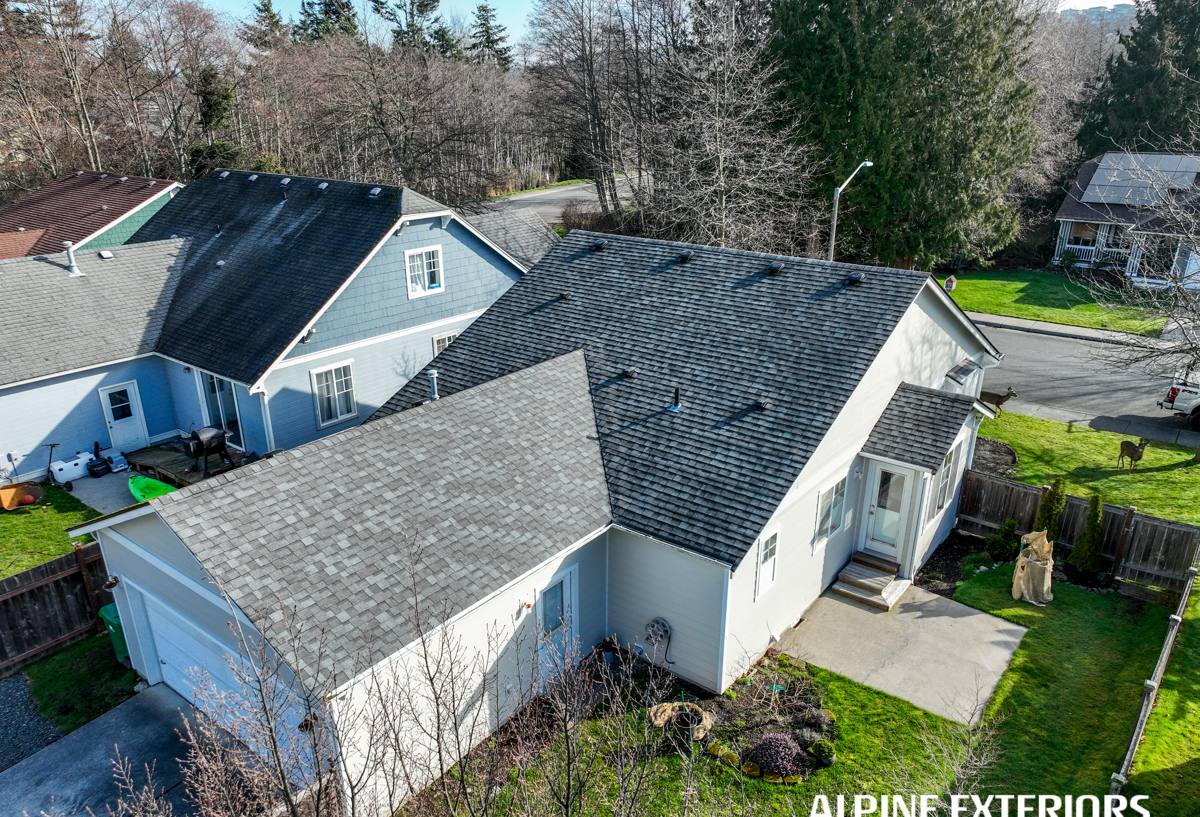
What the Local Climate Actually Does to Roofing Materials
UV and Heat
Florida sun is intense almost year-round, and it's harder on roofing than people expect. UV radiation breaks down the asphalt oils in shingles, causes granules to shed, and dries out sealant strips faster than in cooler climates. On metal roofing, repeated heating and cooling cycles stress fastener points and seams over time.
Salt Air
Because Safety Harbor is close to the water, airborne salt is a real factor. Salt accelerates corrosion on exposed metal — flashing, fasteners, gutters, vents — and can shorten the service life of components that aren't rated for coastal exposure. This is one reason material selection matters more here than it would 30 miles inland.
Wind-Driven Rain and Storms
It's rarely just rain here — it's rain pushed sideways by wind, which finds every weak seam, exposed nail head, or aging pipe boot. During named storms and seasonal squalls, wind uplift is the biggest threat to an older roof, particularly around ridge lines, eaves, and roof-to-wall connections.
Common Roof Types We Work On in Safety Harbor
Asphalt Shingle
Still the most common roofing material in the area because of its cost and the wide range of styles available. Modern architectural shingles rated for high wind hold up well when installed correctly, with attention to nailing patterns, underlayment, and proper ventilation underneath.
Tile Roofing
Clay and concrete tile are popular on homes throughout Pinellas County for their durability and appearance. Tile itself can last decades, but the underlayment beneath it typically doesn't last as long as the tile — a fact that catches a lot of homeowners off guard when a "20-year-old roof" turns out to need underlayment work well before the tile needs replacing.
Metal Roofing
Standing seam metal has grown in popularity for its wind performance and longevity, especially for homeowners planning to stay long-term. It handles wind uplift well when installed with the correct fastening system, though cost is higher upfront than shingle.
Signs Your Safety Harbor Roof Needs Attention
- Granules collecting in gutters or at downspout outlets
- Shingles that look curled, cupped, or have visible bald spots
- Dark streaking or staining, which often points to trapped moisture or organic growth
- Soft spots or sagging when walked on (we check this safely — don't do it yourself)
- Cracked or slipped tiles, or tiles that sound hollow when tapped
- Rust staining around metal flashing, vents, or fasteners
- Visible daylight or water stains in the attic after heavy rain
- A roof that's 15-20+ years old and has never had a professional inspection
Any one of these on its own might not mean an emergency. Several together, or any sign paired with an active leak, means it's time for a real inspection rather than a guess.
Repair or Replace? What Actually Drives the Decision
Homeowners often ask us to just tell them a number before we've looked at anything, but the honest answer is that roof condition, not roof age alone, drives whether repair or replacement makes sense. Here's how we generally think through it:
| Factor | Leans Toward Repair | Leans Toward Replacement |
|---|---|---|
| Age of roofing material | Under 10-12 years | Nearing or past manufacturer lifespan |
| Extent of damage | Isolated (one area, one storm event) | Widespread or affecting multiple sections |
| Underlayment condition | Intact, dry | Deteriorated or saturated |
| Insurance claim involved | Minor, documented storm damage | Major wind/water event affecting large area |
| Future plans for home | Selling soon, budget-conscious | Staying long-term, want full warranty reset |
Broadly speaking, straightforward repairs on a healthy roof can run a few hundred to a couple thousand dollars depending on scope, while a full replacement is a much larger investment that varies widely with roof size, material, pitch, and layers being removed. We won't quote a number without seeing the roof in person — anything else is a guess, and Safety Harbor rooflines vary enough that guessing does homeowners a disservice.
Beyond the Roof: Siding, Windows, and Decks in the Same Environment
Roofing doesn't exist in isolation on a coastal-influenced property. The same UV, humidity, and salt air that wear down shingles and flashing also affect siding, window seals, and outdoor decking, which is why we handle all four as a contractor rather than just one.
Siding
Fiber cement and quality vinyl siding both perform well in this climate when installed with correct flashing and drainage details behind them. Poor installation — not the material itself — is the usual cause of moisture problems behind siding in humid coastal areas, which is why installation technique matters as much as product choice.
Windows
Impact-rated or wind-rated windows are worth serious consideration for Safety Harbor homes, both for storm protection and for the energy savings that come with better seals against constant heat and humidity. Old, single-pane windows with failing seals let in heat, moisture, and noise from bay-side wind.
Decks
Outdoor decking near the water takes a beating from sun, humidity, and salt spray. Composite decking generally holds up better than untreated wood in this specific environment because it resists moisture absorption and doesn't require the same repeated sealing, though it comes at a higher material cost upfront.
Wind Mitigation and Insurance: What Pinellas County Homeowners Should Know
Florida requires a wind mitigation inspection to qualify for certain insurance discounts, and roofing plays a direct role in that inspection — roof shape, roof-to-wall attachment, roof deck attachment, and the presence of a secondary water barrier are all scored. A roof replacement is often a practical time to address these items, since some of them (like a secondary water barrier) are far easier to add during a re-roof than afterward. We can point out where your roof stands on these factors during an inspection, though the official wind mitigation report itself is completed by a certified inspector.
If you're filing an insurance claim after storm damage, documentation matters. We provide clear photos and written scope of damage that homeowners can use when working with their adjuster, though we're a roofing contractor, not a public adjuster, and we won't promise claim outcomes we don't control.
Why a Local Crew Matters in Safety Harbor
A contractor based near Clearwater understands things an out-of-town crew simply doesn't: how Pinellas County's permitting process works, which roofing systems perform best given our specific wind and moisture exposure, and how fast a schedule can shift when a summer storm rolls in off the bay. Local also means accountability — we're not disappearing after the invoice clears, and if something needs a warranty callback, we're a short drive away, not a phone number that stops answering.
After major storms, Florida sees an influx of traveling crews offering fast, cheap repairs. Some are legitimate. Many are gone before problems surface. We'd rather earn your business with a fair, honest estimate and workmanship you can verify locally than compete on being the fastest truck in the neighborhood after a storm.
What to Expect When You Call Us
- A scheduled visit for a full visual inspection of your roof, attic ventilation, and flashing points
- Photos and a plain-English explanation of what we find — good or bad
- A written estimate breaking down material and labor, with options if more than one approach makes sense
- Straight answers about timeline, including how weather may affect scheduling
- No pressure to sign same-day, and no inflated "today only" pricing tactics
Simple Maintenance That Extends Roof Life in This Climate
A few habits make a real difference for homes in a hot, humid, wind-exposed area like Safety Harbor:
- Keep gutters and downspouts clear so wind-driven rain has somewhere to go
- Trim back overhanging branches that scrape shingles or drop debris onto tile
- Schedule a professional inspection after any named storm, even if you see no obvious damage
- Have your roof looked at every couple of years even without visible problems — small issues are cheap to fix; deferred ones aren't
- Check attic ventilation periodically, since poor airflow traps heat and moisture that shorten roof life from underneath
If you're in Safety Harbor and want an honest look at where your roof — or your siding, windows, or deck — actually stands, we're happy to come take a look. The estimate is free, there's no pressure attached to it, and you'll walk away with a clear picture either way.