 Clearwater Roofing
 Roofing and Exterior Work Built for Downtown Clearwater
Downtown Clearwater sits close enough to the water that its homes and commercial buildings take on a different kind of wear than properties further inland. Between the bay just to the west and the Gulf a short drive beyond that, roofs, siding, windows, and decks here are exposed to salt-laden air, intense sun almost year-round, and the kind of wind-driven rain and storm activity that Pinellas County sees on a regular basis. We work on homes and small commercial buildings throughout the downtown core and surrounding streets, and we've built our approach around what actually holds up in this specific environment rather than a generic checklist.
This page walks through what we typically see on Downtown Clearwater properties, how we approach roofing, siding, window, and deck work here, and what to look for when something needs attention.
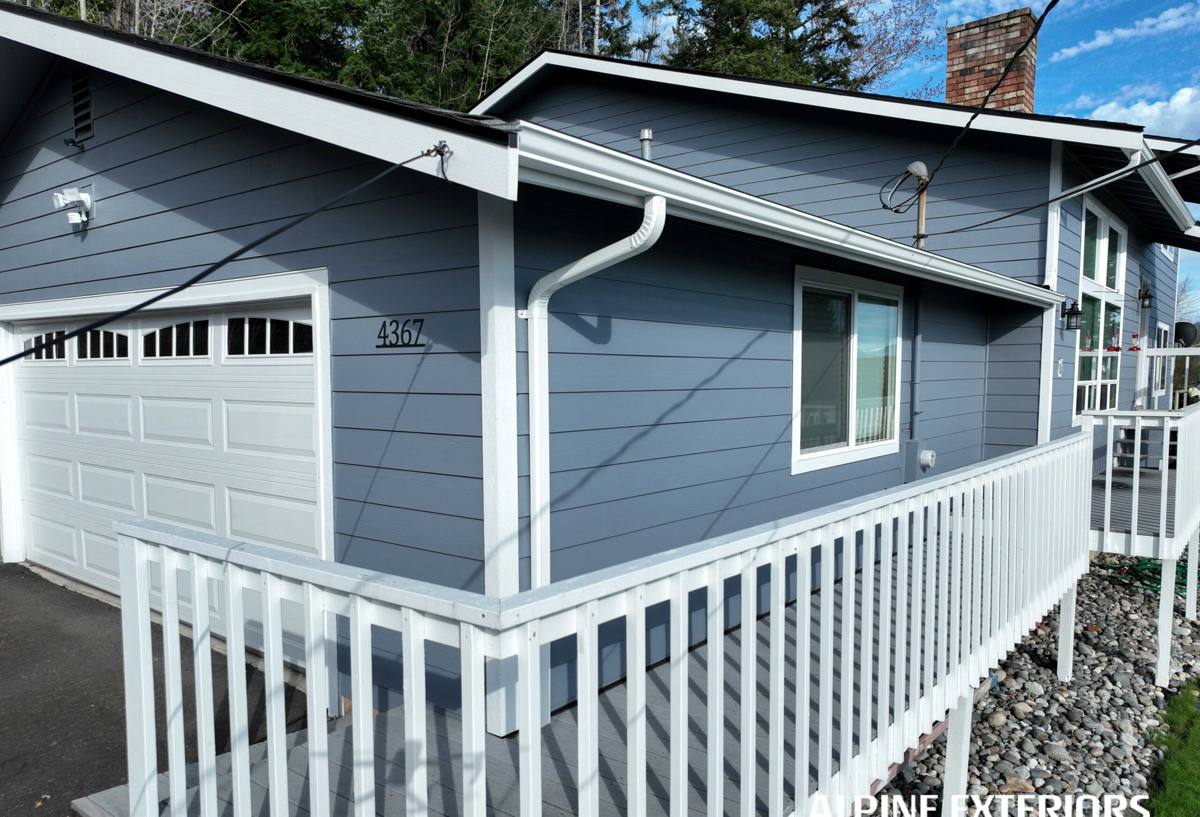
What the Local Climate Does to a Roof and Exterior
Every coastal Florida community deals with heat and storms, but the combination in this part of Pinellas County has a few specific effects worth understanding.
Hurricane-Force Wind
Even when a storm doesn't make a direct hit, Downtown Clearwater regularly picks up tropical-storm-force gusts from systems passing well offshore. Roofing and siding fasteners, flashing, and edge details take repeated stress over a season, and that cumulative loading is often what causes failure during the next big event rather than the storm itself doing all the damage in one shot.
Year-Round UV Exposure
Florida's sun angle and number of clear days mean roofing materials, paint, and exterior trim are under near-constant UV load. Asphalt shingles lose oils and granules faster here than in most of the country, vinyl siding can fade and become brittle, and unprotected wood trim dries out and cracks well ahead of its rated service life.
Salt Air and Corrosion
Being close to the water means airborne salt settles on everything — roofing fasteners, flashing, gutter hardware, window frames, and any exposed metal. Standard steel fasteners and lower-grade metal components corrode faster in this environment, which is why material selection and fastener grade matter more here than they would 20 miles inland.
Wind-Driven Rain
Downtown Clearwater's storms don't just drop rain straight down — wind pushes it sideways, up under roof edges, and against window and door assemblies at odd angles. This is where poor flashing detail, aging sealant, or an undersized roof overhang shows up as a leak long before the roofing material itself has actually failed.
Roofing Services for Downtown Clearwater Properties
Inspections and Repairs
Most roofing problems we find start small — a lifted shingle tab, a cracked pipe boot, flashing that's pulled away from a wall, or granule loss around a valley. Caught early, these are straightforward repairs. Left alone through a couple of storm seasons, they turn into deck damage, interior leaks, and a much larger bill. We inspect the full roof system, not just the shingles: flashing, vents, valleys, fascia, and the attic side where we can access it.
Full Roof Replacement
When a roof is past the point where repair makes sense — widespread granule loss, multiple layers of prior roofing, storm damage across a large area, or age near or past its expected service life — we walk through replacement options based on the home's structure, roof pitch, and budget. In this part of Florida that conversation includes wind rating, underlayment choice, and how the new roof will be fastened, not just the shingle color.
Storm Damage Response
After a wind or rain event, we prioritize active leaks and structural exposure first, then handle the broader repair scope once the property is secure. If a claim is involved, we document damage clearly so the homeowner has what they need for their insurer.
Signs Your Roof Needs a Closer Look
- Shingles that are curling, cracked, or missing granules in patches
- Dark streaking or persistent moisture in one area of the roof
- Soft spots or sagging when viewed from the ground or attic
- Rusted or lifted flashing around chimneys, vents, or walls
- Granules collecting in gutters or at the base of downspouts
- Daylight visible through the roof deck from inside the attic
- A ceiling stain that appears after a heavy rain but dries out afterward
- Roof age approaching 15-20 years with no major work done
Any one of these on its own isn't necessarily an emergency, but a combination of two or three is usually a sign it's time for a professional look before the next storm season.
Siding, Windows, and Decks — The Rest of the Exterior Envelope
A roof doesn't work in isolation. Siding, windows, and decks all share the job of keeping water out and standing up to the same wind and sun the roof deals with, so we treat the exterior as one connected system rather than separate projects.
Siding
Siding on Downtown Clearwater homes has to manage both UV fade and moisture at every seam and penetration. We look closely at how siding meets window trim, corner boards, and the roofline, since that's where wind-driven rain finds its way in. Fiber cement holds color and resists moisture-related warping better than many alternatives in this climate, which is part of why it's become our default recommendation for siding replacement here — not because other materials can't work, but because fiber cement's maintenance burden and moisture behavior tend to be more forgiving near the coast.
Windows
Impact-rated or properly protected windows matter throughout Pinellas County, and older single-pane or non-impact windows are both a storm vulnerability and an energy-efficiency weak point. We evaluate frame condition, seal integrity, and whether existing windows meet current wind-load expectations for the area before recommending repair versus replacement.
Decks
Outdoor living space is part of daily life here, and decks take a beating from sun, humidity, and occasional standing water after heavy rain. Fastener corrosion, ledger board attachment, and proper drainage under the decking are the details that determine whether a deck lasts or starts failing structurally within a few years.
Choosing Materials That Actually Hold Up Near the Coast
Material choice matters more here than in a lot of the country, mainly because salt air and UV exposure accelerate wear that might take decades to show up further inland. Here's how the common options generally compare for this specific environment:
| Material | Typical Performance in This Climate | Wind/Storm Considerations | Maintenance Notes |
|---|---|---|---|
| Architectural asphalt shingles | Solid, cost-effective option; UV and heat shorten lifespan somewhat versus cooler climates | Higher wind-rated products available; installation detail matters as much as the shingle itself | Periodic inspection for granule loss and lifted tabs |
| Metal roofing | Strong UV and heat performance; reflects solar heat well | Generally handles high wind well when properly fastened | Watch fastener corrosion over time in salt air; occasional recoating on some systems |
| Fiber cement siding | Holds paint and color well under constant sun | Rigid and resists wind-driven impact better than lighter materials | Repaint/reseal on a normal cycle; low warping risk |
| Vinyl siding | More prone to fading and brittleness under heavy UV over time | Can deform or crack under high wind if not properly installed | Lower upfront cost; shorter realistic service life near the coast |
None of these are wrong choices across the board — the right one depends on budget, how long you plan to own the property, and how much upkeep you want to take on. We walk through the trade-offs honestly rather than pushing one product for every job.
Why a Local Crew Matters for This Area
Roofing and exterior work in Downtown Clearwater isn't identical to work five or ten miles inland. A crew that works this specific corridor regularly understands how close proximity to the water changes fastener selection, how local wind exposure affects installation detail, and what Pinellas County's permitting and inspection process actually requires for roofing, siding, and window work. That familiarity shortens the permitting timeline, reduces the chance of a failed inspection, and means the crew showing up at your door has seen the same coastal wear patterns on other roofs nearby.
We also know that Downtown Clearwater includes a mix of older homes, updated properties, and small commercial buildings — each with different structural quirks — so we don't approach every job the same way.
What to Expect From an Inspection and Estimate
A typical visit starts with a full exterior walk-through: roof, siding, windows, and any deck or outdoor structure, if those are part of the scope. We look at the whole system rather than just the obvious problem area, since related issues often show up together — a roof leak that's also affected soffit or siding, for example. From there we explain what we found in plain terms, what's urgent versus what can be scheduled, and what the realistic options are, including rough cost ranges tied to scope and material choice rather than a one-size number.
There's no pressure to sign anything on the spot. We'd rather you have accurate information and make the call that's right for your property and budget.
Maintenance That Extends the Life of Your Exterior
Between service calls, a few habits go a long way in this climate:
- Keep gutters and downspouts clear so water isn't backing up under roof edges
- Trim back tree limbs that could strike the roof or siding in high wind
- Rinse accumulated salt residue off siding and windows periodically, especially closer to the water
- Check caulking and sealant around windows and doors annually before storm season
- Walk the roofline visually after any major storm and note anything that looks different
None of this replaces a professional inspection, but it reduces the number of surprises between them.
If you're noticing any of the warning signs above, planning ahead of storm season, or just want an honest read on where your roof, siding, windows, or deck stand, we're glad to come take a look. Estimates are free and there's no pressure — use the form below to get started.