 Clearwater Roofing
 Exterior Work in Del Oro, Clearwater
Del Oro sits inside the same weather system as the rest of Clearwater and Pinellas County — which means the same list of things quietly wearing down every roof, wall, window, and deck in the neighborhood. It's not one dramatic event that does the damage. It's the accumulation: a decade of intense UV baking asphalt and paint, a string of wind-driven rain events pushing water sideways into places it was never meant to go, and salt-laden air working on metal fasteners, flashing, and hardware year after year. When we work in Del Oro, we're not guessing at conditions — we're accounting for the same climate pattern we see across the barrier islands and inland neighborhoods alike.
What that means in practice is that "it's just a roof" or "it's just siding" doesn't really apply here. Every exterior component on a Del Oro home is part of one connected system that has to shed water, resist wind uplift, and survive UV exposure without babying. We handle roofing, siding, windows, and decks as a local crew because those four systems fail or succeed together, not in isolation.
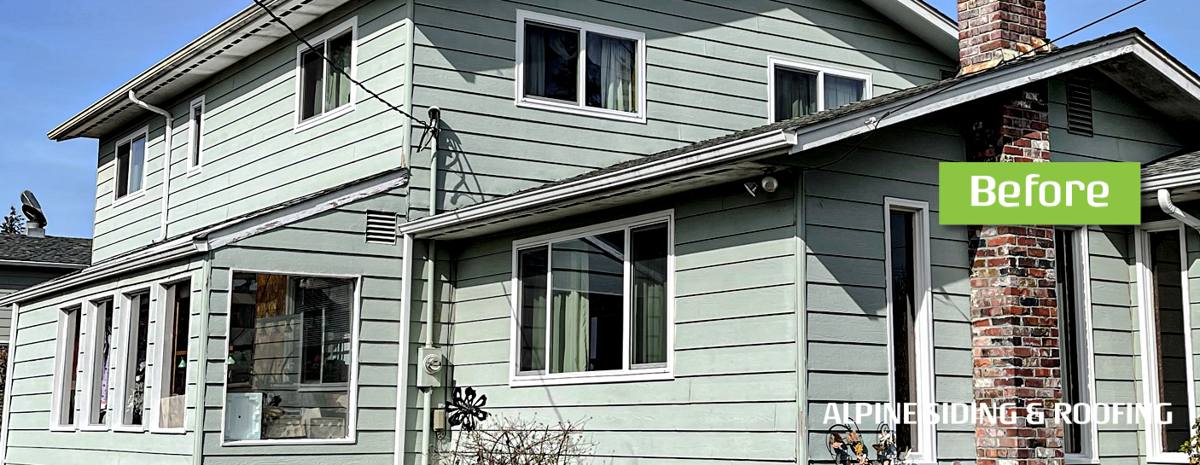
What Del Oro Roofs Are Up Against
UV and Heat Cycling
Florida sun is harder on roofing materials than most of the country ever deals with. Asphalt shingles lose their oils and granules faster here, tile can crack under repeated thermal expansion and contraction, and any sealant or flashing cement that isn't rated for sustained heat will dry out and fail years before it would somewhere with a milder climate. This is a straightforward materials-science problem, not bad luck — it's why we spec roofing systems and sealants rated for Florida heat rather than whatever's cheapest at the yard.
Wind and Wind-Driven Rain
Pinellas County homes need roofs that can handle both sustained tropical-storm-force wind and the occasional direct hurricane threat. The failure mode homeowners underestimate is wind-driven rain — water forced sideways and even upward under shingle edges, around vents, and through poorly sealed flashing during a wind event, well before wind speeds get anywhere close to lifting the roof covering itself. A roof can look intact after a storm and still have taken on water through those pressure points.
Salt Air
Del Oro doesn't have to sit directly on the water for salt air to matter. Airborne salt travels well inland across this part of the county, and it accelerates corrosion on exposed fasteners, metal flashing, gutters, and any hardware that isn't coated or rated for coastal exposure. Over time this shows up as rust streaks, pitted metal, and fastener failure long before the rest of the roof is due for replacement.
Signs a Del Oro Roof Needs Attention
- Granule loss showing up in gutters or at downspout outlets
- Curling, cupping, or cracked shingles, especially on south- and west-facing slopes
- Rust streaking below metal flashing, vents, or fasteners
- Soft spots, sagging, or visible daylight in the attic near roof penetrations
- Water stains on interior ceilings after a heavy wind-driven rain event
- Lifted or missing shingles at ridges, hips, and edges — the highest-wind-load areas
Roofing Material Choices for This Climate
There's no single "right" roof for Del Oro — the right call depends on the home's structure, budget, and how long the owner plans to stay. What we won't do is install a system without accounting for local wind and moisture demands, or cut corners on underlayment and flashing to hit a lower price, since those are exactly the components that determine whether a roof survives its first real storm season.
| Material | Typical Lifespan Here | Climate Trade-Offs |
|---|---|---|
| Architectural asphalt shingle | 15–25 years | Cost-effective, wide color range; needs proper nailing pattern and wind-rated shingle for uplift resistance |
| Concrete or clay tile | 30–50 years | Excellent UV and wind performance; heavier structural load, higher repair cost per tile if impacted |
| Standing seam metal | 30–50 years | Strong wind uplift resistance, reflects heat well; higher upfront cost, needs coastal-rated fasteners |
| Flat/low-slope membrane | 15–20 years | Common on additions and porches; seams and flashing detail are the critical point for wind-driven rain |
Siding for Del Oro Homes
Moisture and Humidity Behavior
Siding in this climate has to manage two things at once: shedding wind-driven rain at every seam and joint, and not trapping humidity behind it. We pay close attention to house wrap, flashing at windows and doors, and ventilation gaps behind the siding panel — those details matter more here than the siding material itself, because Pinellas County's combination of heat and humidity will find any gap in the moisture management and turn it into rot or mold over a few seasons.
Material Options
Fiber cement and quality vinyl are both common choices in Del Oro, and each has an honest trade-off. Fiber cement holds up very well to UV and wind but is heavier and needs a crew that respects its installation tolerances. Vinyl is lighter and lower-maintenance but needs to be rated for higher wind exposure and installed with the right fastening pattern so it doesn't rattle loose or buckle under thermal expansion. We don't push one material as universally superior — we size the choice to the home and the owner's maintenance appetite.
Windows: Impact and Energy Performance
Windows are one of the more overlooked failure points during wind events — not because the glass itself fails, but because older frames and seals let wind-driven rain past them, or because non-impact-rated glazing is vulnerable to airborne debris in a serious storm. For Del Oro homes we look at two things together: wind/impact rating appropriate to the home's exposure, and the seal quality around the frame, since a well-rated window installed with poor flashing can still leak.
Energy performance is the other half of the equation. Florida's UV load and long cooling season mean low-E glass and proper frame insulation pay for themselves over time in reduced air conditioning load — a meaningful factor for a county where cooling costs run most of the year.
Decks Built for Sun, Salt, and Moisture
Outdoor living space is a big part of why people live in this part of Florida, but decks take a beating from the same three forces as everything else on the exterior: constant UV exposure fades and dries out wood fiber, humidity and rain cycling drives rot at ledger boards and post bases, and salt air corrodes standard fasteners faster than most homeowners expect. We build and repair decks with fastener hardware and connectors rated for coastal exposure, and we pay particular attention to the ledger board attachment and any area where the deck meets the house — that's the single most common point of hidden rot on a Florida deck.
Why a Local Clearwater Crew Matters Here
Pinellas County and the City of Clearwater apply wind-load and building code requirements that are more demanding than a lot of the country, and permitting expectations shift depending on the scope of work and how close a property sits to flood zones or coastal exposure lines. A crew that works this area regularly knows what inspectors are going to look for on a re-roof or a window replacement, understands realistic material lead times for this market, and isn't learning the local wind code requirements on your project. That local familiarity is also what lets us give an honest, specific answer instead of a generic national playbook when we walk a Del Oro property.
Maintenance That Actually Extends Life Here
- Clear gutters and downspouts at least twice a year so wind-driven rain has somewhere to go
- Walk the roofline after any significant wind event and look for lifted shingles or displaced tile
- Rinse accumulated salt residue off siding and hardware periodically, especially on the sides facing prevailing wind
- Check window and door seals annually for gaps that could let wind-driven rain in
- Inspect deck ledger boards, post bases, and fasteners yearly for rust or soft wood
- Have flashing at roof penetrations (vents, chimneys, skylights) checked before hurricane season each year
Getting Started
If you're noticing any of the warning signs above, or you just want an honest read on where your roof, siding, windows, or deck stand before the next storm season, we're glad to take a look. There's no pressure and no obligation — just a straightforward assessment from a crew that works this exact climate and this exact part of Pinellas County every day. Use the form below to request a free estimate.