 Clearwater Roofing
 Roofing Challenges Homeowners Face in Seminole, FL
Seminole sits in the heart of Pinellas County, tucked between the Gulf beaches and the Intracoastal, close to Lake Seminole and just a short drive from Clearwater. It's a mix of established mid-century ranch homes, newer construction, and everything in between — and almost every roof in this stretch of the county is fighting the same battle. Whether your home has architectural shingles, a metal roof, or barrel tile, the sun, humidity, and coastal air here are relentless, and a roof that would last decades in a drier, cooler climate simply doesn't get that long in Pinellas County without the right materials and upkeep.
We work on homes throughout the Seminole area regularly, which means we see the same patterns of wear over and over: sun-bleached and brittle shingles, soft or discolored decking around older penetrations, and metal fasteners that have started to corrode faster than anyone expects. None of that is unusual for this part of Florida — it's just what the climate does. The goal of this page is to walk through what actually affects roofs here, what your options are, and how we approach the work.
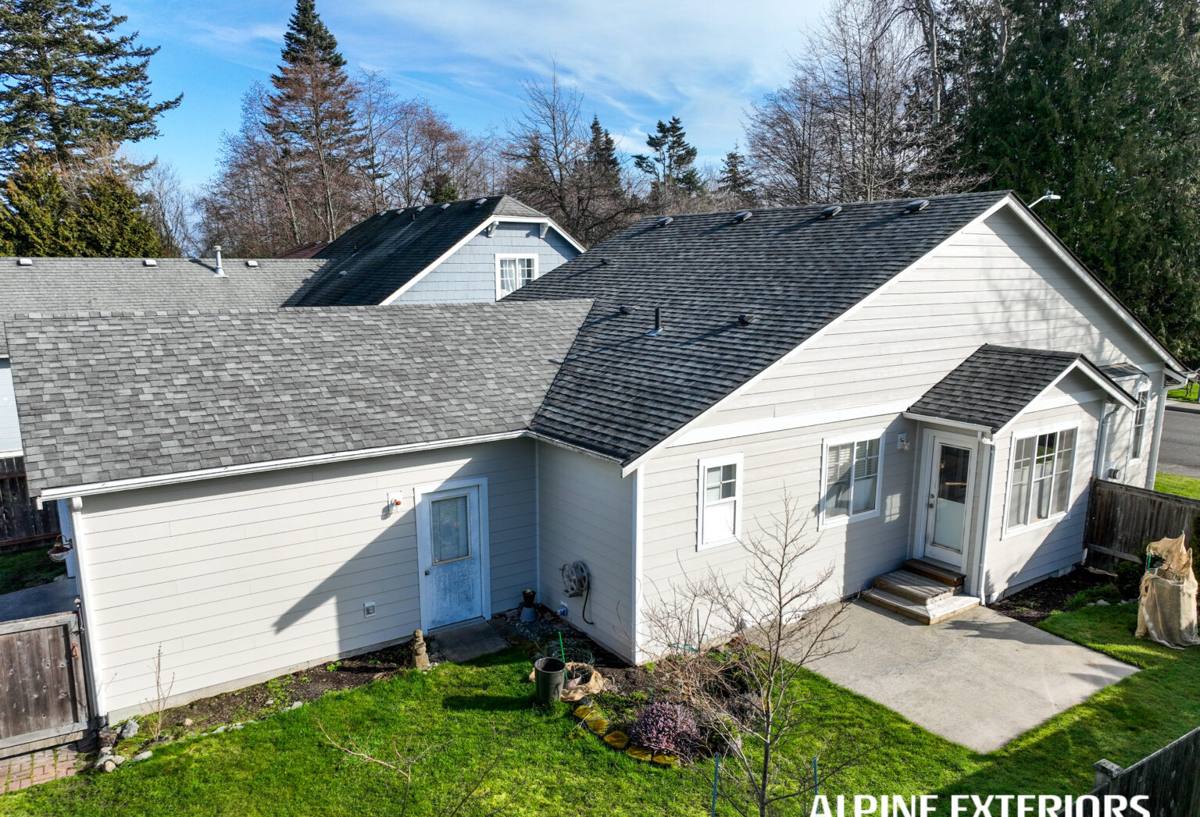
How the Local Climate Wears Down a Roof
Seminole doesn't get a mild off-season the way a lot of the country does. The roof over your head is under some form of stress nearly every day of the year, and it comes from a few directions at once.
Intense, Year-Round UV Exposure
Florida sun is stronger and more consistent than what most roofing products were originally engineered for decades ago. UV breaks down the oils and resins in asphalt shingles, causing granule loss and brittleness well before the manufacturer's rated lifespan. On tile and metal, UV is less destructive structurally, but it still degrades sealants, paint finishes, and underlayment over time.
Wind-Driven Rain
Storms here rarely fall straight down. Wind pushes rain sideways and up under laps, flashing, and ridge caps that were never designed to shed water from that angle. This is one of the most common reasons we find hidden leaks that have nothing to do with a missing shingle — the water found a path in through wind-driven rain, not a simple gap.
Hurricane and Tropical-Storm Wind Loads
Pinellas County sees direct hits and near-misses most seasons. Wind uplift is what actually tears roofs apart — it's not usually one gust, but the repeated flexing that loosens fasteners, lifts shingle tabs, and eventually opens a roof up to water intrusion. Roofs installed to older code, or repaired with mismatched materials over the years, are the ones most likely to fail in a storm.
Salt Air
Even well inland from the beaches, Seminole gets enough salt-laden air off the Gulf to accelerate corrosion on exposed metal — nails, flashing, vents, and fastener heads. Salt air doesn't care whether your home is a mile from the water or ten; it travels, and it's part of why metal components on Pinellas County roofs corrode faster than the same materials would in a landlocked climate.
Roofing Materials: What We Install and Why
There's no single "best" roofing material for Seminole — the right choice depends on your home's structure, your budget, your timeline for staying in the home, and how much maintenance you want to take on. Here's an honest breakdown of the main options we work with.
| Material | Typical Lifespan Here | Strengths | Trade-Offs |
|---|---|---|---|
| Architectural asphalt shingle | 15-25 years | Lower upfront cost, wide style/color range, straightforward repairs | Shortest lifespan of the group; UV and heat accelerate wear |
| Standing seam metal | 30-50 years | Excellent wind resistance, reflects heat, low maintenance | Higher upfront cost; requires correct fastening detail to perform |
| Concrete or clay tile | 30-50+ years (tile itself) | Very durable surface, classic Florida look, holds up well to UV | Underlayment fails before the tile does — most tile "failures" are underlayment failures; heavier structural load |
We'll walk through which of these makes sense for your specific roof structure and budget during an inspection — we're not going to push a premium material on a home where it doesn't make financial sense, and we're not going to recommend the cheapest option if your roof geometry or wind exposure calls for something sturdier.
Roof Repair vs. Full Replacement
Not every roofing problem in Seminole needs a full tear-off, and we'd rather give you an honest assessment than sell a bigger job than you need. A few things we weigh:
- Age of the roof relative to its material's expected service life in this climate
- Whether damage is isolated (a few shingles, a flashing detail) or spread across multiple slopes
- Condition of the decking underneath — soft or delaminated decking often changes the math toward replacement
- History of prior repairs and whether they were done with matching, compatible materials
- Insurance considerations, including whether storm damage is documented and dated
A roof nearing the end of its expected lifespan that also needs a significant repair is usually better served by replacement — patching an old roof can end up costing more over a few years than doing it right once. But a roof with years of good service left and one isolated issue almost always just needs a repair. We'll tell you which situation you're in.
Beyond the Roof: Siding, Windows, and Decks
Roofing is rarely the only part of a Seminole home under stress from the climate. The same sun, humidity, and wind-driven rain that wear down a roof affect the rest of the building envelope too, which is why we handle siding, windows, and decks alongside roofing rather than treating them as separate problems.
Siding
Fiber cement and quality vinyl siding hold color and shape far better than older or lower-grade products under constant Florida UV, and proper flashing and water-management details behind the siding matter as much as the siding material itself when wind-driven rain is a regular occurrence.
Windows
Impact-rated and properly flashed windows do double duty here — they reduce storm risk and cut down on the UV heat gain that drives up cooling costs for most of the year in Pinellas County.
Decks
Outdoor living structures take a beating from humidity and rain cycles. Framing, fasteners, and ledger connections need materials and hardware rated for constant moisture exposure, not just standard construction-grade hardware that will corrode within a few seasons.
When we're already on a roof, we're in a good position to flag related issues on siding, fascia, soffits, or window flashing before they turn into bigger problems — and to handle them as one coordinated project instead of separate headaches.
Why a Local Crew Matters
Roofing code requirements, permitting, and wind-load standards in Pinellas County reflect the real risks of this area, and a crew that works here regularly already knows the inspection process and what local building officials expect to see. That familiarity translates into fewer delays and fewer surprises during permitting.
Just as important, a local crew is accountable locally. If a question comes up after the job — about a warranty item, a detail that needs a second look, or how a recent storm affected your roof — we're not a phone number in another state. We're working in Clearwater, Seminole, and the surrounding Pinellas County communities on an ongoing basis.
Our Process, Start to Finish
- Free on-site inspection and honest assessment of repair vs. replacement
- Written estimate outlining material options, scope, and timeline
- Permitting handled through the appropriate local jurisdiction
- Installation, with daily site cleanup and protection of landscaping
- Final walkthrough and documentation for your records and warranty
Maintaining Your Roof Between Service Calls
A little regular attention goes a long way toward extending a roof's life in this climate. Between professional inspections, homeowners in Seminole can keep an eye on:
- Granule buildup in gutters or downspouts — a sign of accelerated shingle wear
- Debris or organic growth on north-facing slopes that stay shaded and damp longer
- Visible lifted or missing shingles after any significant wind event
- Soft spots or discoloration on interior ceilings, which often show up before an exterior leak is visible
- Loose or corroded flashing around chimneys, vents, and skylights
- Clogged gutters, which can force water back up under roofing edges during heavy rain
None of these replace a professional inspection, but catching them early is often the difference between a small repair and a much larger one.
Insurance, Permits, and Warranties
Storm-related roofing work often involves an insurance claim, and having clear documentation — photos, a written scope, and dated inspection notes — makes that process smoother. We provide the documentation homeowners typically need to support a claim, and we handle permitting through the correct local building department rather than skipping steps to save time.
Warranty coverage varies by material and manufacturer, and workmanship warranties are separate from material warranties. We'll explain exactly what's covered, for how long, and what would void that coverage, before any work begins — no fine print you find out about later.
Get a Free, No-Pressure Estimate
If your roof, siding, windows, or deck could use a second opinion, we're glad to take a look. Fill out the form below for a free inspection and estimate — no pressure, no obligation, just an honest read on where things stand and what your options are.