 Clearwater Roofing
 Seminole sits close enough to the Gulf that its homes take on the same coastal punishment as the rest of Pinellas County — salt-laden air, sudden downpours, and summer sun that doesn't let up for months at a time. Roofs here don't fail because of one dramatic event, most of the time. They fail gradually, from years of small compromises that finally catch up with a homeowner during the next hard rain. Roof repair in this area is less about patching a hole and more about understanding how Gulf coast weather actually works a roof over time, and fixing the problem at its source instead of just where the water happened to come through.
Why Seminole Roofs Wear the Way They Do
Every roof in this part of Florida is fighting the same combination of stressors: intense UV exposure nearly year-round, wind-driven rain that gets pushed sideways under flashing and shingle edges, salt air that speeds up corrosion on metal fasteners and flashing, and the occasional hurricane-force wind event that tests every weak point at once. None of these alone is unusual for a Florida roof. Together, over years, they add up to a specific and predictable pattern of failure.
UV breaks down the oils and asphalt binders in shingles, making them brittle and prone to cracking. Wind-driven rain finds any gap in the sealing at flashing, vents, and penetrations, and pushes water uphill against gravity during a storm. Salt air accelerates rust on nail heads, drip edge, and metal flashing faster than it would inland. And wind events — even ones that don't make headlines — lift shingle tabs, loosen fasteners, and stress seams in ways that aren't obvious from the ground but leave the roof more vulnerable the next time.
A repair crew that understands this pattern isn't just looking at the spot where a homeowner saw a stain on the ceiling. They're looking at what caused the failure and whether the same conditions are quietly working on other parts of the roof that haven't leaked yet.
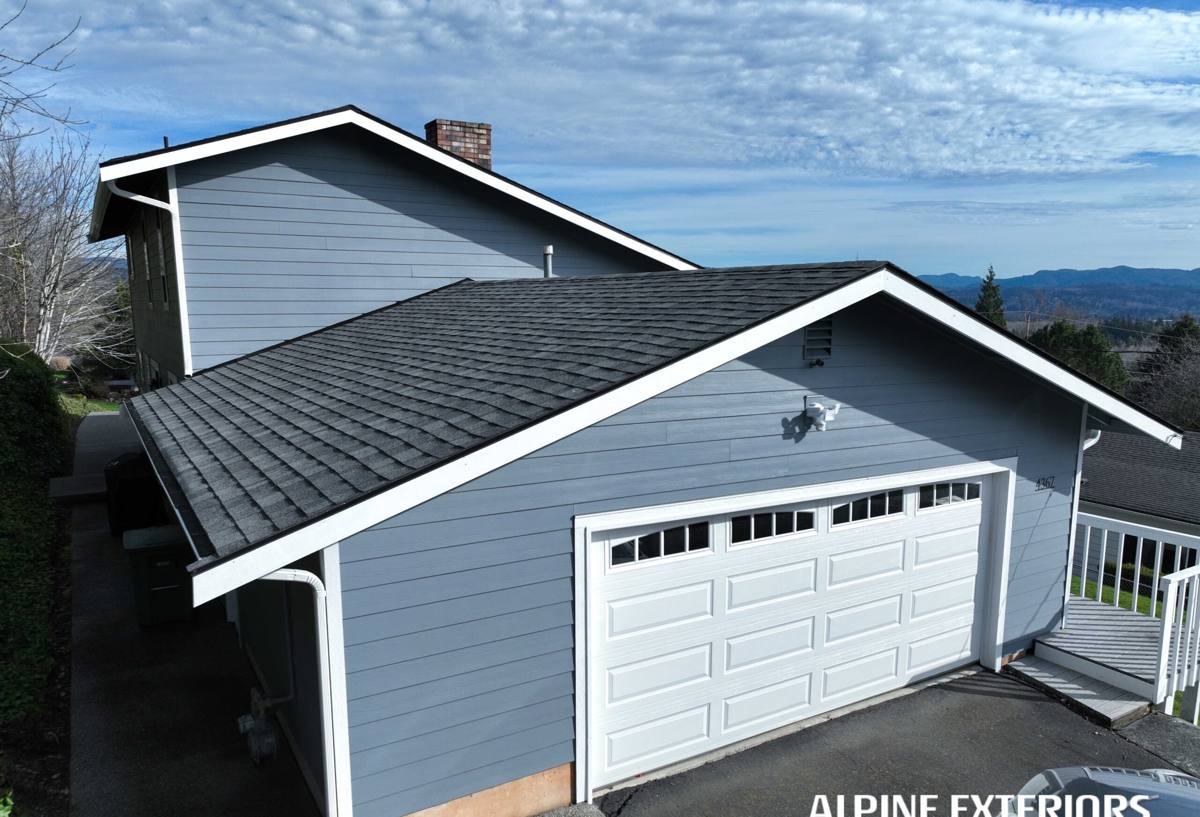
What Actually Causes Most Roof Leaks Here
Leaks rarely start where the water shows up inside the house. Water travels along the underside of the roof deck or down a rafter before it finds a gap in the drywall or ceiling, which means the visible stain can be several feet from the actual entry point. In this region, the most common sources we find are:
- Flashing failures around chimneys, skylights, and wall-to-roof transitions, where sealant has dried out or metal has lifted
- Pipe boot deterioration — the rubber collars around plumbing vents crack and split from UV exposure faster than almost any other roof component
- Wind-lifted or missing shingles, especially near ridges, hips, and roof edges where uplift pressure is highest
- Valley wear, where two roof planes meet and water volume concentrates during heavy rain
- Nail pops and fastener corrosion, which create small entry points that widen over time
- Clogged or damaged gutters that force water to back up under the roof edge instead of draining away
Any one of these can sit quietly for months before a storm finally pushes enough water through to show up as a stain on the ceiling. That's why a proper repair always starts with finding the actual source, not just addressing the symptom.
What a Correct Repair Involves
Inspection Before Anything Else
We start on the roof itself, not just the ceiling below. That means checking flashing, boots, valleys, ridge lines, and the general condition of the shingles or tiles around the affected area — and often areas that haven't leaked yet but show early wear. A repair that only addresses the visible leak point without checking the surrounding area tends to come back within a season or two.
Matching Materials, Not Just Covering Gaps
Repairs should use materials and techniques appropriate to the existing roof system — matching shingle profile and color where possible, using correctly rated flashing metal, and sealing with products designed for the exposure conditions rather than a generic caulk that will fail again in a year of Florida sun.
Addressing the Root Cause
If a leak is caused by a failed pipe boot, we replace the boot — not just seal over the crack. If flashing has separated from thermal movement or corrosion, we re-secure and re-flash it properly rather than gooping sealant over the gap. Cosmetic fixes that don't address the underlying mechanical failure tend to fail again at the first hard rain.
Checking for Hidden Deck Damage
Any leak that's been active for a while has usually gotten some moisture into the roof deck itself. Part of a correct repair is checking the decking around the leak for soft spots, delamination, or rot, and replacing any compromised sections before new roofing material goes back down. Skipping this step means putting a new surface over a weak substrate.
Repair vs. Replacement: How We Help You Decide
Not every leak means the whole roof needs to come off, and not every roof that's had a repair or two is a candidate for another patch. The honest answer depends on the roof's age, how much of it is affected, and how many previous repairs it's already had.
| Factor | Leans Toward Repair | Leans Toward Replacement |
|---|---|---|
| Roof age | Under 12-15 years | Approaching or past expected service life |
| Damage extent | Localized — one area or component | Widespread wear across multiple sections |
| Repair history | First or second repair | Multiple past repairs in different spots |
| Shingle/tile condition nearby | Still flexible, granules intact | Brittle, cracking, granule loss visible |
| Underlying deck | Sound, dry | Soft spots or rot found during inspection |
We'll always tell you honestly which side of that table your roof falls on. A repair that's clearly a stopgap on a roof near the end of its life isn't a good use of your money, and we'll say so rather than sell a patch we don't think will hold.
Storm Damage and Insurance Considerations
After a significant wind or hail event, insurance carriers expect documentation of the damage and the timeline of when it occurred. If your Seminole home has visible or suspected storm damage, it's worth getting a roof inspected promptly — both because active leaks get worse quickly in this climate, and because a documented inspection close to the event date supports a cleaner claims process if you decide to file one. We can provide a written assessment of what we find, which is useful whether you're filing a claim or just deciding how urgent the repair is.
Our Repair Process
- Initial contact and scheduling — we get basic details about the issue (active leak, storm damage, routine wear) to prioritize urgent cases
- On-roof inspection — a full look at the affected area and surrounding roof sections, not just the reported spot
- Written findings and options — what we found, what's causing it, and whether repair or replacement makes sense, in plain terms
- The repair itself — matched materials, proper flashing and sealing techniques, deck repair if needed
- Final check — confirming the fix holds and reviewing anything else on the roof worth keeping an eye on
We try to keep this process straightforward. Homeowners dealing with an active leak don't need a sales process layered on top of an already stressful situation.
Maintenance Steps That Reduce Repair Frequency
Some of the wear roofs take in this climate can't be avoided, but a few habits reduce how often repairs are needed:
- Keep gutters clear so water drains properly instead of backing up under roof edges
- Trim back tree branches that overhang the roof and drop debris into valleys
- After any significant storm, do a visual check from the ground for missing or displaced shingles
- Have pipe boots and flashing checked every few years, since these fail well before the shingles themselves typically do
- Address small leaks quickly — a stain that seems minor now is usually a sign of ongoing water intrusion that will spread
None of these replace a professional inspection, but they catch problems early enough that a small repair stays small.
Why Local Experience Matters for This Kind of Work
A roof repair crew that regularly works in Seminole and the broader Clearwater area has already seen how the specific combination of coastal wind, salt air, and Florida sun plays out on roofs like yours. That familiarity matters when it comes to diagnosing where a leak is actually coming from, knowing which materials hold up under these conditions versus which ones look fine on paper but underperform here, and understanding what local permitting and code requirements apply to repair work in Pinellas County. A crew unfamiliar with the area is starting from scratch on all of that with your roof as the learning curve.
We also know that repair work often needs to happen on a timeline — a leak doesn't wait for a convenient week, especially with a storm system in the forecast. Working locally means we can typically respond faster than a contractor traveling in from farther away, which matters when water is actively getting into your home.
Getting an Honest Assessment
If you're dealing with a leak, storm damage, or just want an experienced set of eyes on a roof that's showing its age, we're happy to take a look and give you a straight answer about what's going on and what it will take to fix it. We'd rather tell you a small repair will hold for years than talk you into work you don't need — and we'd rather tell you honestly that replacement makes more sense than keep patching a roof that's past the point of cost-effective repair.
If you'd like a free, no-pressure estimate on roof repair for your Seminole home, use the form below and we'll get in touch to schedule a look.