 Clearwater Roofing
 Island Estates: A Waterfront Community With Its Own Set of Demands
Island Estates sits close to the water, and that proximity is part of what makes it a desirable place to live — but it also means the homes here are exposed to a harsher combination of conditions than properties just a few miles inland. Salt-laden air moves off the water and settles on every exterior surface. Humidity stays high most of the year. Direct sun bakes roofing and siding for months at a stretch. And when a tropical system tracks through Pinellas County, waterfront and near-waterfront homes are often first in line for the strongest wind and wind-driven rain.
None of that means Island Estates homes need exotic materials or unusual construction. It means the standard approach — decking, underlayment, flashing, fastening, ventilation — has to be done correctly and matched to the exposure, because there's less room for shortcuts here than in a more sheltered neighborhood.
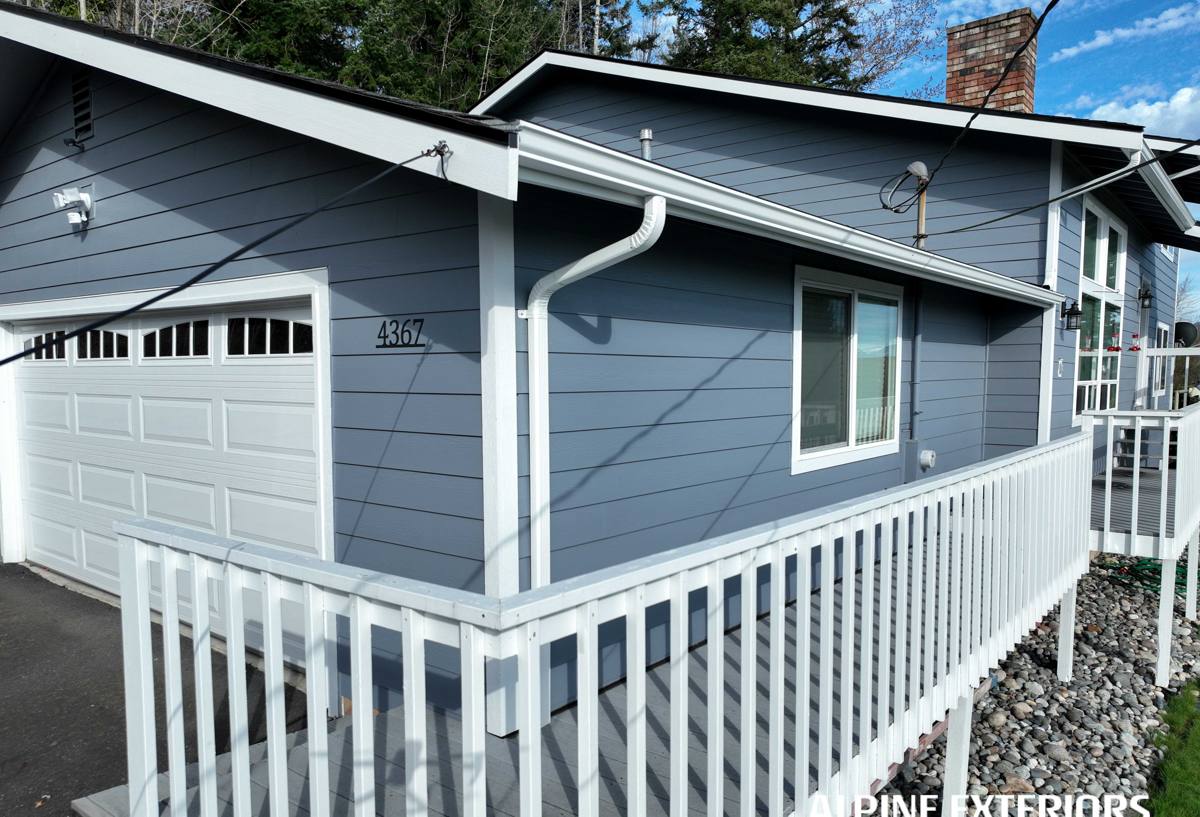
What Salt Air and Coastal Humidity Actually Do to a Home
Roofing
Salt air accelerates corrosion on any exposed metal — nails, flashing, drip edge, vent boots, and fasteners. On a standard asphalt shingle roof, corroded fasteners lose holding power over time, which becomes a real problem in high wind. On a metal roof, it means the fastener and flashing spec matters more than the panel spec; the wrong screw or clip in a coastal zone can fail years before the panels do.
Siding
Humidity that never fully clears keeps siding materials damp longer after rain, which matters most where moisture can get trapped — behind poorly flashed trim, at butt joints, or wherever caulk has failed. Sun exposure on top of that accelerates fading and, on lower-quality products, chalking and surface breakdown.
Windows and Doors
Salt air attacks window hardware, screen frames, and lesser-grade aluminum components. Seals and weatherstripping also break down faster in constant humidity, which shows up as fogging between panes or drafts around frames sooner than a homeowner would expect from the product's rated lifespan.
Decks
Any deck near the water deals with the same corrosion risk in its fasteners and hardware, plus more consistent moisture at ground contact points and connections. Wood decking left unsealed in this environment weathers faster; composite decking avoids rot but still needs corrosion-resistant hardware to match.
Roofing Systems for Coastal Exposure
There isn't one "correct" roofing material for a waterfront Clearwater home — asphalt shingles, metal, and tile are all installed successfully in Island Estates. What matters is that the system as a whole (decking, underlayment, fasteners, flashing, ventilation) is specified for the exposure, not just the top layer.
| Roofing Type | Coastal Considerations | Typical Lifespan Here |
|---|---|---|
| Architectural asphalt shingle | Needs corrosion-resistant nails, properly sealed nail lines, and full ridge/soffit ventilation to handle heat and humidity | 15-22 years with regular upkeep |
| Standing seam metal | Panel material matters less than fastener and clip spec; concealed-fastener systems reduce long-term corrosion exposure | 30-45+ years |
| Concrete or clay tile | Very durable against sun and salt; underlayment and battens carry the real waterproofing burden, and that layer needs to be right | 30-50 years (underlayment often needs earlier renewal) |
Whatever material a homeowner chooses, we treat the fastener and flashing spec as non-negotiable in a waterfront zone like this one — it's the part of the roof most likely to be the weak point after a storm, and it's also the part that's cheapest to get right the first time.
Wind, Uplift, and What Florida Building Code Requires
Pinellas County enforces the Florida Building Code's high-velocity and wind-borne debris provisions, and homes in a waterfront community like Island Estates are squarely within the zones those provisions were written for. In practice that means:
- Roof coverings must meet wind uplift ratings tied to the home's specific wind zone, not a generic minimum
- Secondary water barriers (sealed decking or self-adhering underlayment) are required in many roof replacements, not just recommended
- Permits and inspections apply to full roof replacements and most major siding, window, and structural deck work
- Impact-rated windows or approved shutter protection are required in wind-borne debris regions unless an exemption applies
We pull permits, schedule inspections, and document installations the way the code requires — not as an afterthought, but because it's the same documentation an insurer or a future buyer will ask to see.
Insurance and Wind Mitigation Considerations
Florida homeowners insurance pricing is closely tied to a home's wind mitigation features — roof shape, roof-to-wall attachment, opening protection, and the age and type of roof covering. A wind mitigation inspection after a qualifying roof or window upgrade can lower premiums, sometimes meaningfully. We can't promise a specific savings figure, since that's set by each carrier, but we do build our roofing and window work to the standards those inspections check for, and we provide the documentation homeowners need to give their insurance agent.
Siding, Windows, and the Whole Building Envelope
A roof is only one part of what keeps a coastal home dry and comfortable. Siding and trim take direct salt spray and sun; windows and doors are the weak points in an otherwise sealed envelope. When we're on a roof in Island Estates, we're also looking at:
- Fascia, soffit, and trim condition — these often show moisture damage before the roof deck does
- Caulking and flashing around windows and door openings
- Siding fastener corrosion and panel or plank fit at seams and corners
- Attic and soffit ventilation, since poor airflow traps heat and humidity against the underside of the roof deck
For siding, we favor materials that hold up to sun and salt without constant upkeep — fiber cement and quality vinyl systems both perform well here when installed with the right fasteners and flashing details. For windows, impact-rated glass suited to the local wind zone does double duty: it protects the opening during a storm and cuts down on the maintenance and hardware corrosion that lesser-grade windows see in this air.
Decks Near the Water
A deck in Island Estates faces the same sun and salt exposure as the roof and siding, plus more direct contact with ground moisture and, for waterfront properties, dock and seawall proximity. The choice between wood and composite decking usually comes down to maintenance tolerance rather than one being objectively better:
| Decking Type | Coastal Trade-Offs |
|---|---|
| Pressure-treated wood | Lower upfront cost; needs regular sealing/staining to resist moisture and salt weathering |
| Composite decking | Higher upfront cost; resists rot and fading well but still requires corrosion-resistant fasteners and hardware |
Whichever material a homeowner picks, we spec stainless or coated fasteners and hardware throughout — that detail matters more near the water than the decking material itself.
What a Local Crew Brings to a Job Like This
A crew that works Pinellas County day in and day out already knows the wind zones, the permitting process at the county and city level, and which fastener and flashing specs actually hold up on a waterfront property versus one a few miles inland. That local knowledge shows up in small decisions — which underlayment to use, how tight to run a fastening schedule, where to add extra flashing — that a crew unfamiliar with this exposure might not think to make. It also means we're reachable after the job is done, not just during the sale.
A Simple Maintenance Checklist for Waterfront Homes
- Rinse roof, siding, and railings periodically to reduce salt buildup, especially after long dry stretches
- Inspect caulking and flashing around windows and doors once a year
- Check attic ventilation and insulation for signs of trapped moisture
- Have the roof inspected after any named storm, even if no leaks are visible yet
- Watch for rust streaks at fasteners, vents, or metal flashing — an early warning sign, not a cosmetic issue
- Reseal or restain wood decking on a regular schedule rather than waiting for visible wear
Planning a Project
Most homeowners in Island Estates come to us for one of three reasons: a roof that's reaching the end of its service life, storm damage that needs assessment and repair, or a broader exterior update that includes siding, windows, or a deck alongside the roof. In any of these cases, we start with an honest look at what's actually needed versus what can wait, because coastal exposure means some components age faster than others even on the same house.
If you own a home in Island Estates and want a straight answer on where your roof, siding, windows, or deck stand, we're glad to take a look. Use the form below to request a free, no-pressure estimate — we'll walk the property, tell you what we see, and give you a clear picture of your options before anything is decided.