 Clearwater Roofing
 Why "20 Years" Doesn't Mean Much Here
Every roofing material comes with a manufacturer's rated lifespan, and almost none of those numbers were tested in a climate like ours. A shingle rated for 25 years in a lab, or installed on a moderate roof in Ohio, does not behave the same way on a house in Clearwater. Pinellas County sits on a peninsula, which means every roof here deals with intense UV exposure nearly every day of the year, salt-laden air drifting in off the Gulf, sudden wind-driven rain, and the real possibility of hurricane-force gusts during storm season. All four of those factors accelerate wear in different ways, and none of them show up in a standard manufacturer rating.
So when a homeowner asks "how long will my roof actually last," the honest answer is a range, not a single number, and that range depends heavily on material, installation quality, ventilation, and maintenance. Below are the real-world numbers we see locally, not the marketing numbers.
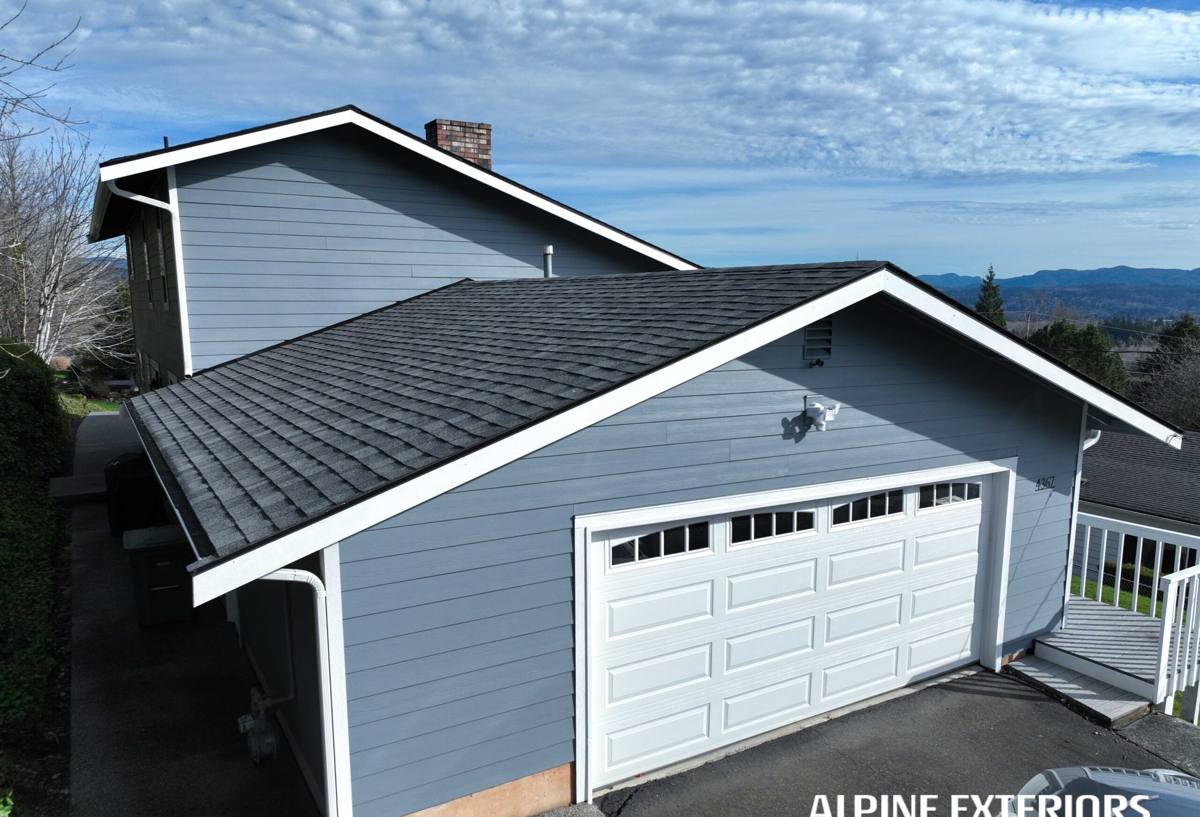
Realistic Lifespans by Material, Gulf Coast Conditions
These ranges reflect what we typically see on homes in the Clearwater area, factoring in sun, humidity, salt air, and storm exposure. A roof installed correctly and maintained will land toward the higher end; one installed poorly or neglected will fall toward the lower end regardless of what the material is rated for.
| Material | Manufacturer Rating | Realistic Local Lifespan | Main Local Stressor |
|---|---|---|---|
| 3-tab asphalt shingle | 20-25 years | 12-18 years | UV breakdown, granule loss |
| Architectural (laminate) shingle | 25-30 years | 18-22 years | UV, wind uplift at edges |
| Standing seam metal | 40-50 years | 35-45 years | Fastener/sealant maintenance, salt corrosion on fasteners |
| Concrete tile | 40-50 years | 30-40 years (underlayment often fails first) | Underlayment breakdown under tile, not the tile itself |
| Flat/low-slope membrane (TPO, modified bitumen) | 15-20 years | 12-18 years | Ponding water, seam stress from thermal cycling |
Notice that concrete tile roofs often fail from the underlayment out, not the tile itself. The tiles can look fine for decades while the waterproofing layer underneath has already broken down from years of heat cycling. That's a distinction that matters a lot when someone is deciding whether a tile roof "still has life left" or needs a full tear-off.
Why Asphalt Shingles Age Faster Here Than Up North
Asphalt shingles are petroleum-based products, and heat is their enemy. A roof surface in direct Florida sun can run 50-70 degrees hotter than the surrounding air temperature on a summer afternoon. That constant heat cycling dries out the asphalt binders faster than it would in a cooler climate, which is why a shingle rated for 25 years in a lab often shows real wear by year 15 here. Add in the humidity that never fully lets the roof deck dry out, and you get faster granule loss, curling, and brittleness.
The Four Things Actually Shortening Your Roof's Life
1. UV Exposure
Florida gets more direct sun hours per year than almost anywhere else in the country. UV radiation breaks down the oils and resins in asphalt shingles and degrades the surface coatings on many membrane products. This is a slow, constant process — it's not one storm, it's every sunny day adding up over years.
2. Wind-Driven Rain
A roof doesn't have to lose a shingle to take on water damage. Wind-driven rain can push moisture up and under shingle edges, into ridge caps, and around penetrations like vent pipes and chimneys, especially when the underlying flashing or sealant has aged. This is a slower, sneakier form of damage than wind uplift, and it's often the real cause of an interior leak that shows up months after a storm.
3. Salt Air
Being close to the Gulf means airborne salt settles on roofing surfaces and, more importantly, on metal components — fasteners, flashing, vent stacks, and gutter hardware. Salt accelerates corrosion on anything metal, which is why fastener quality and flashing material matter more here than they would inland.
4. Wind Events
Even without a direct hurricane hit, Clearwater sees regular tropical storm activity and strong seasonal wind events. Repeated wind stress loosens shingle tabs, works fasteners loose over time, and stresses ridge lines and edges — the areas of a roof that take the most mechanical load in a storm.
What Actually Extends a Roof's Life
Material choice matters, but it's not the only factor — and often not even the biggest one. In our experience, these have as much impact on lifespan as the shingle or tile brand itself:
- Attic ventilation — a poorly ventilated attic traps heat and moisture against the underside of the roof deck, aging it from below even while the top surface looks fine.
- Installation quality — proper nailing patterns, correct underlayment, and properly lapped flashing prevent the majority of premature failures we see.
- Underlayment quality — a synthetic or self-adhered underlayment holds up to heat and moisture far longer than older felt products, and it's the layer doing the real waterproofing work.
- Regular inspection — catching a lifted shingle or cracked pipe boot early prevents years of slow water intrusion that otherwise goes unnoticed.
- Gutter and drainage maintenance — clogged gutters back water up under the roof edge, which is a common and preventable cause of edge rot.
Signs Your Roof Is Nearing the End, Not Just Getting Old
Age alone isn't the best indicator of remaining life — condition is. A 12-year-old roof that was poorly ventilated can be in worse shape than an 18-year-old roof that was well cared for. Here's what we actually look for during an inspection to judge real remaining lifespan:
- Granule loss showing up in gutters or at downspouts in noticeable amounts
- Shingles that have curled at the edges or gone brittle enough to crack when lifted
- Soft spots or sagging when walked, which usually means deck damage underneath
- Cracked or missing pipe boots and deteriorated flashing around chimneys and skylights
- Daylight visible through the roof deck from inside the attic
- Persistent musty odor or visible staining on attic sheathing, a sign of long-term moisture
Any one of these on its own might just mean a repair. Several of them together usually mean the roof is closer to the end of its useful life than the calendar would suggest.
Repair, Recover, or Replace: How We Think About It
Not every aging roof needs full replacement. The honest breakdown we use when evaluating a roof:
- Repair makes sense when damage is isolated — a section of missing shingles, a single failed flashing point, or storm damage confined to one slope — and the rest of the roof is structurally sound.
- Recover (installing new roofing over existing, where code allows) can be appropriate on some shingle roofs with a sound deck and only one existing layer, though we're selective about when this is actually the right call versus a full tear-off.
- Replacement is the right call when the underlayment has failed, the deck shows widespread damage, or the roof is old enough that repair costs start approaching what a new roof would cost over the next few years.
We'll always tell you honestly which category your roof falls into rather than defaulting to the most expensive option.
What Roof Replacement Costs Depend On
We won't quote a number here that doesn't apply to your actual roof, but the honest cost drivers for any Clearwater roof replacement are:
| Factor | Why It Matters |
|---|---|
| Roof size and pitch | Steeper roofs require more safety setup and labor time |
| Material choice | Asphalt, metal, and tile carry very different material and labor costs |
| Deck condition | Rotted decking found during tear-off adds material and labor to replace it |
| Number of layers to remove | Tear-off of multiple existing layers adds labor and disposal cost |
| Ventilation and flashing upgrades | Bringing older ventilation or flashing up to current standards adds scope but adds lifespan |
Insurance, Permits, and Wind Mitigation
In Pinellas County, roof replacements require a permit, and most insurers now ask for a wind mitigation inspection afterward, which can affect your premium. A properly documented, permitted roof replacement — with the right nailing pattern, sealed roof deck, and updated flashing — often qualifies for better wind mitigation credits than an older roof did. It's worth asking your contractor to document the installation details your insurer will want to see.
If you're not sure whether your roof has years left or is quietly running out of them, we're happy to take a look. We offer free, no-pressure roof inspections and estimates for Clearwater homeowners — no obligation, just an honest read on where your roof actually stands. Use the form below to schedule one.