 Clearwater Roofing
 Belleair's Coastal Climate Is Hard on Roofs
Belleair sits close to the Gulf, tucked between Clearwater Harbor and the barrier islands, and that proximity to open water shapes everything about how a roof ages here. Salt-laden air corrodes exposed metal fasteners, flashing, and vents faster than it would a few miles inland. Intense, near-daily UV exposure breaks down asphalt shingle granules and dries out sealants over years of Florida summers. Add in wind-driven rain that finds its way under poorly sealed laps and flashing, and the occasional direct hit from tropical storm or hurricane-force winds, and you have a combination that punishes shortcuts in materials or installation.
None of this means a roof in Belleair is doomed to fail early. It means the details that get skipped elsewhere — proper fastener spacing, correct underlayment, sealed penetrations, corrosion-resistant hardware — matter more here than they would in a drier, calmer climate. We build every roof and repair with that reality in mind, not as an upsell, but because it's what actually holds up in this part of Pinellas County.
What Belleair Homes Tend to Face
Belleair has a mix of older, established homes and newer construction, and each brings its own set of roofing considerations.
Older Homes
Many homes in and around Belleair were built before current Florida Building Code wind and water-intrusion standards existed. That doesn't automatically mean a re-roof is due, but it does mean the roof deck, flashing details, and attic ventilation should be checked against today's standards rather than assumed to be adequate. Re-roofing an older home is also the point where secondary water barriers and updated flashing can close gaps that were never a problem until the first bad storm.
Newer or Recently Re-Roofed Homes
Newer roofs are generally built to stricter wind and impact standards, but "newer" doesn't mean maintenance-free. Salt air and UV don't wait for a roof to age before starting their slow work on sealants, fasteners, and coatings. Regular inspection is still worth doing even on a roof that's only a few years old.
Roofing Material Options for a Salt-Air Climate
There isn't one "correct" roofing material for Belleair — the right choice depends on budget, how long you plan to stay in the home, and how much maintenance you want to take on. Here's how the common options compare in this specific climate.
| Material | Salt & UV Resistance | Typical Lifespan | Maintenance |
|---|---|---|---|
| Architectural asphalt shingle | Good with proper ventilation and quality underlayment | 20-30 years | Periodic inspection, gutter clearing, sealant checks |
| Standing seam metal | Very good when fasteners and flashing are corrosion-rated | 40-50+ years | Low; occasional fastener and seam checks |
| Concrete or clay tile | Excellent for the tile itself; underlayment is the weak point | Tile 40-50+ years; underlayment 15-20 years | Broken tile replacement, underlayment renewal on its own cycle |
| Flat / low-slope (modified bitumen, TPO) | Good with UV-stable membrane and proper drainage | 15-25 years | Ponding water checks, seam inspection |
Tile roofs are a good example of why material choice alone doesn't tell the whole story: the tile itself can easily outlast the underlayment beneath it, so a tile roof that looks fine from the ground may still need underlayment work well before the tile is replaced. We'll tell you honestly which layer is actually the concern on your roof rather than pushing a full tear-off you don't need.
Signs Your Roof Needs a Look
Most roof problems don't announce themselves with a leak on day one — they show up as smaller signs first. Worth checking for, or asking us to check for:
- Granules collecting in gutters or at downspout discharge points
- Shingles that look curled, cupped, or have lifted edges
- Streaking, dark patches, or visible algae/moss growth
- Rust staining around vents, flashing, or metal roof fasteners
- Soft spots or sagging when walked (we check this, not a DIY step)
- Daylight visible through the attic roof deck
- Water stains or discoloration on interior ceilings, especially after a storm
- Cracked, slipped, or missing tiles on a tile roof
Any one of these on its own isn't necessarily an emergency, but they're worth a professional look before the next heavy rain or wind event turns a small issue into water damage inside the home.
Beyond the Roof: Siding, Windows, and Decks
Roofs get the most attention because they take the brunt of the weather, but the same salt air, UV, and wind-driven rain affect the rest of a home's exterior.
Siding
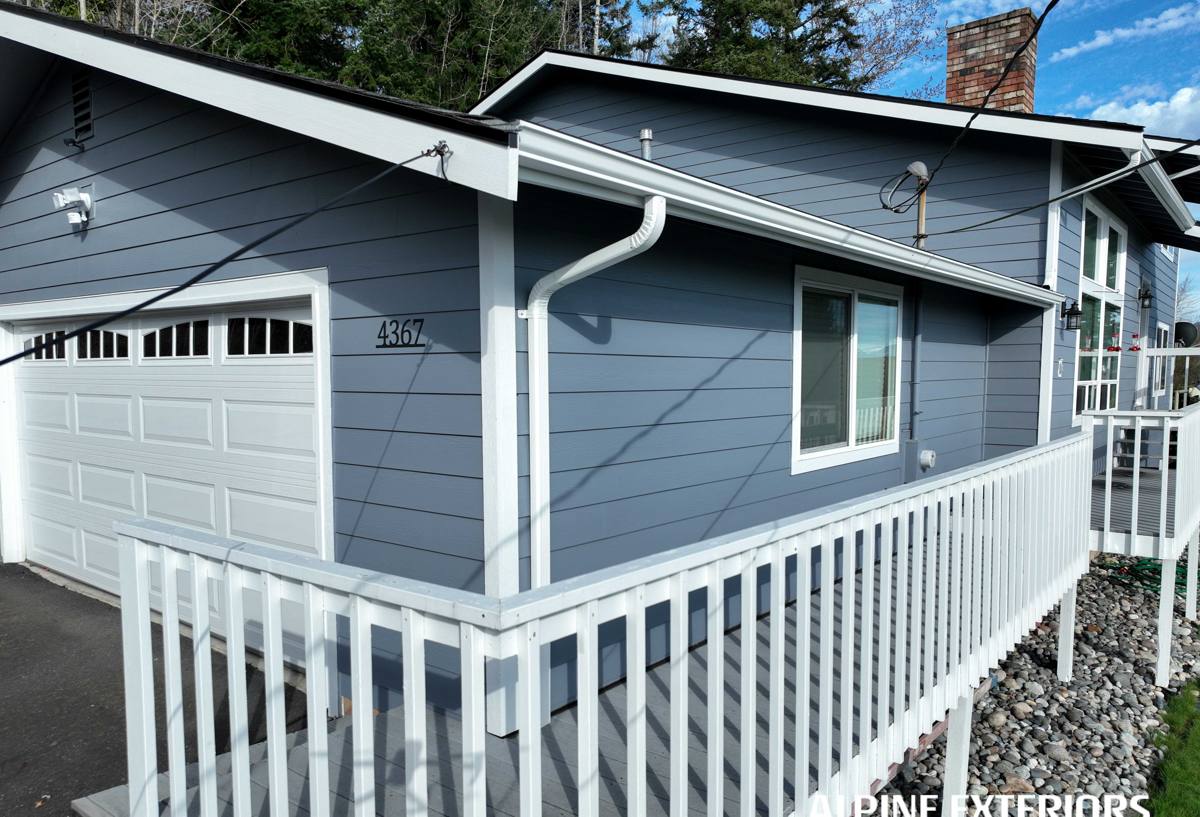
Fiber cement and quality vinyl siding both hold up well in coastal Pinellas County conditions when installed with correct flashing and clearances. We pay particular attention to the areas around windows, doors, and where siding meets the roofline, since those transitions are where wind-driven rain finds a way in.
Windows
Impact-rated windows are worth serious consideration for any home in this area, both for storm protection and for the UV and heat reduction they offer year-round. Older single-pane or non-impact windows are also a common point where wind-driven rain intrudes during storms, even when the roof and siding are sound.
Decks
Outdoor living space near the water means constant sun and moisture cycling on deck boards and fasteners. Composite decking generally holds up with less maintenance than wood in this climate, though both can work well if built with proper drainage, spacing, and corrosion-resistant hardware.
Why a Local Crew Matters
A roof or exterior project in Belleair benefits from a crew that works in Pinellas County regularly and understands the local permitting process, the wind and flood zone considerations that come with proximity to the water, and how quickly a job needs to move when a storm is in the forecast. Out-of-area or storm-chasing crews that show up after a major weather event and disappear once the work is done leave homeowners with no one to call if a repair fails or a warranty needs to be honored. We're not going anywhere, and that accountability shapes how we do the work in the first place — we're not trying to get away with the minimum, because we'll be the ones you call if something's wrong.
What to Expect From an Estimate and Project
We keep the process straightforward and try not to waste your time with pressure tactics or inflated urgency.
- Inspection. We look at the roof, and any siding, windows, or decking you want assessed, and document actual condition rather than guessing.
- Honest scope. We tell you what needs to be done now, what can wait, and what's optional — repair versus replacement, when either is genuinely viable.
- Written estimate. Clear pricing and materials, no vague allowances.
- Scheduling. We work around weather windows, which matters more here than in drier climates.
- Completion and cleanup. Site cleared of debris and nails, final walkthrough before we consider the job done.
Project cost depends heavily on a few key factors, summarized below.
| Factor | Why It Matters |
|---|---|
| Roof size and pitch | More surface area and steeper slopes increase labor and material needs |
| Existing layers / tear-off | Removing old roofing adds labor and disposal cost versus a single-layer install |
| Material choice | Shingle, metal, and tile have different material and labor costs per square |
| Deck and flashing condition | Rotted decking or old flashing found during tear-off adds necessary repair |
| Access and site conditions | Tight lots, landscaping, or multi-story sections affect labor time |
Permits, Wind Mitigation, and Insurance
Roofing work in Pinellas County requires permits, and we handle that process as part of the job. If your roof is being replaced or substantially repaired, it's also worth asking about a wind mitigation inspection afterward — documenting updated roof-to-wall connections, roof covering, and other wind-resistant features can affect your windstorm insurance premium. We can point you toward what qualifies, though the inspection itself and any resulting discount are between you and your insurer.
Simple Maintenance That Extends Roof Life
- Keep gutters and downspouts clear so water doesn't back up under roofing edges
- Trim back overhanging branches that scrape shingles or drop debris
- Rinse off accumulated salt spray and debris periodically if the home is near open water
- Have the roof looked at after any major storm, even if nothing looks obviously wrong
- Address small leaks or lifted shingles promptly rather than waiting for a bigger repair
If you're weighing a repair, a full replacement, or just want an honest read on where your roof, siding, windows, or deck actually stand, we're glad to come take a look. The estimate is free, there's no pressure, and you'll get a straight answer either way.