 Clearwater Roofing
 Exterior Contracting for Dunedin Homes
Dunedin sits on the Gulf side of Pinellas County, which means homes here take on a specific combination of stresses that inland Florida properties simply don't see as often. The proximity to the water brings salt-laden air that accelerates corrosion on fasteners, flashing, and unprotected metal. Add in the intense year-round UV exposure, the wind-driven rain that comes through during summer storms and hurricane season, and the periodic risk of hurricane-force winds, and you have a climate that is genuinely hard on exterior building materials. We work throughout Clearwater and the surrounding Pinellas County communities, and Dunedin's mix of older bungalow-style homes, mid-century ranches, and newer construction near the water gives us a good sense of what tends to fail first and why.
This page covers how we approach roofing, siding, windows, and decks specifically for Dunedin properties, what local homeowners should know before hiring a contractor, and what our process looks like from first call to final walkthrough.
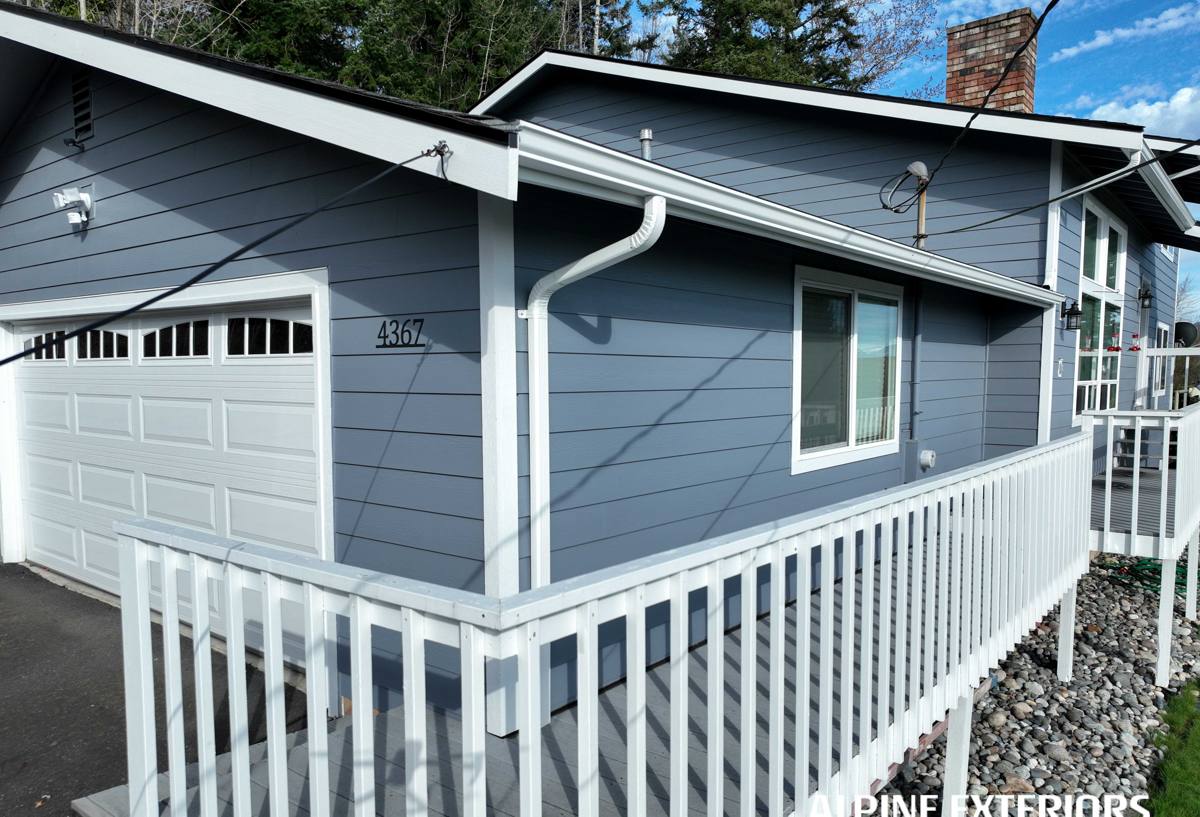
What Dunedin's Climate Does to a Home Over Time
Salt Air and Corrosion
Even a few miles inland from the Gulf, salt air travels. It settles on exposed metal — roof flashing, nail heads, gutter fasteners, window frames, deck hardware — and speeds up rust and pitting far faster than it would in a drier, non-coastal climate. Homeowners often notice this first as rust streaks below flashing or fastener heads, or as corrosion around older window frames and screen enclosures. Material choice and fastener grade matter more here than in most parts of the state.
UV Exposure
Florida sun is intense nearly every month of the year, and Dunedin gets its full share. UV breaks down asphalt shingle granules, dries out and cracks vinyl and fiber cement siding finishes, and fades or embrittles lower-grade window seals and decking materials over time. A roof or siding job that looks fine on day one can underperform years down the road if the materials weren't rated for sustained sun exposure.
Wind-Driven Rain
Rain in this part of Florida rarely falls straight down. Wind pushes it sideways during thunderstorms and tropical systems, which means water finds its way into gaps that would stay dry in calmer climates — around window and door flashing, under improperly lapped siding, through aging roof penetrations. Most water intrusion problems we find in Pinellas County homes trace back to flashing detail failures, not the field material itself.
Hurricane-Force Wind
Dunedin, like the rest of the Tampa Bay area, sits in a hurricane-exposed zone. Roofs, siding, and windows all need to meet wind-resistance standards appropriate for the region, and installation quality matters as much as product rating — a wind-rated shingle installed with the wrong nailing pattern or fastener spacing does not perform to its rating.
Roofing in Dunedin
Roof replacement and repair decisions in this area should account for wind rating, ventilation, and underlayment quality, not just shingle color. We evaluate the full roof system — decking condition, ventilation, flashing details around penetrations and valleys, and underlayment — because a roof is only as good as its weakest component, and in a wind-and-rain climate that's usually not the shingle.
Common Roofing Issues We See
- Granule loss and UV-brittle shingles on roofs past their midlife point
- Corroded or failing flashing around chimneys, skylights, and vent stacks
- Undersized or blocked attic ventilation, which shortens shingle life from underneath
- Wind-lifted shingle tabs from prior storms that were never properly resealed
- Aging underlayment that no longer provides secondary water protection
For most Dunedin homes we recommend a wind-rated architectural shingle system with proper starter strip and hip-and-ridge detailing, though tile and metal remain solid options depending on the home's structure, HOA requirements, and budget. We'll walk through the honest trade-offs of each rather than pushing one product.
Siding for Coastal-Adjacent Conditions
Siding choice in Dunedin comes down to how a material handles moisture, UV, and salt air together over the long term. We install and repair fiber cement and quality vinyl siding systems, and we pay close attention to water management details — house wrap, flashing at windows and doors, and proper lap and fastening — because in this climate, poor installation detail causes far more failures than the siding material itself.
A Straightforward Material Comparison
| Material | Moisture Behavior | UV/Fade Resistance | Maintenance |
|---|---|---|---|
| Fiber Cement | Dimensionally stable, low moisture-related warping when properly installed | Strong; factory finishes hold color well | Occasional repainting over its lifespan; caulking checks |
| Quality Vinyl | Sheds water well but can warp if installed too tightly against thermal movement | Good on higher-grade products; lower-grade panels can fade faster in intense sun | Low; periodic cleaning |
| Wood Lap | Requires diligent sealing; most vulnerable to coastal moisture without upkeep | Needs regular refinishing to resist UV breakdown | Highest; regular painting/staining required |
We don't install every product on the market, and that's a deliberate standard on our end — some options carry maintenance burdens or moisture-management sensitivities that don't hold up well against Dunedin's combination of salt air and wind-driven rain. We're glad to explain the reasoning behind our material lineup during an estimate.
Windows That Handle Wind and Water
Older Dunedin homes, especially those built before more recent Florida building code updates, often have single-pane or aging aluminum-frame windows that were never designed for today's wind and water intrusion standards. When we replace windows, we look at impact rating, frame material corrosion resistance, and — critically — the flashing and sealing detail around the rough opening, since that's where most leaks actually originate, not through the glass or sash itself.
What to Ask About When Replacing Windows Near the Water
- What wind/impact rating is appropriate for this specific home and its exposure
- Frame material and how it holds up against salt air over 10-20 years
- How the installer plans to flash and seal the rough opening, not just the unit itself
- Whether the product carries a warranty structure that covers seal failure, not just glass defects
Decks: Built for Sun, Rain, and Salt
Outdoor living spaces in Dunedin take a beating from constant UV and periodic soaking rain, and salt air adds corrosion risk to any exposed fasteners or hardware. We build and repair decks with attention to proper ledger flashing (a common source of hidden rot), fastener grade suited to coastal exposure, and decking materials chosen for how they'll actually perform outdoors here — not just how they look on installation day. Composite decking has become a popular choice for homeowners who want to reduce the sanding, sealing, and staining cycle that wood decking demands in this climate, though well-maintained wood remains a reasonable option for those who prefer it.
Why Hire a Local Crew
A contractor who works regularly in Pinellas County understands which flashing details, fastener grades, and material specs actually hold up here, versus what's written in a generic national installation manual. Local crews also tend to be more familiar with the area's permitting requirements and wind-load standards, and they're accountable to their reputation in the community they serve — not a call center. When you're comparing bids, ask specifically how a contractor's approach accounts for coastal exposure, not just general Florida conditions.
A Quick Contractor-Vetting Checklist
- Active state licensing and insurance, verifiable directly rather than taken on faith
- A written estimate that details materials, fastener specs, and flashing approach — not just a lump-sum number
- Willingness to explain why they use certain products and skip others
- References or a track record specific to the local coastal climate
- Clear warranty terms in writing, covering both materials and workmanship
What Drives Cost on These Projects
| Factor | Why It Matters |
|---|---|
| Roof pitch and access | Steeper or harder-to-access roofs take longer and require more safety setup |
| Existing damage or rot | Hidden decking or sheathing damage found during tear-off adds material and labor |
| Material grade and wind rating | Higher wind-rated products and better fastener systems cost more upfront but reduce future repair risk |
| Flashing and detail complexity | Homes with more penetrations, valleys, or window/door openings require more precise (and time-consuming) flashing work |
| Permitting requirements | Local code compliance, especially for wind rating, affects both material choice and cost |
Our Process for Dunedin Projects
We start with an on-site inspection so we can see the actual condition of the roof, siding, windows, or deck in question, not just estimate from a description. From there we provide a clear, itemized proposal that lays out materials, scope, and price before any work begins. Once a project starts, we manage permitting where required, keep the homeowner informed of the schedule, and do a final walkthrough before calling the job complete. We stand behind our workmanship and are upfront about manufacturer warranty terms on the materials we install.
If you're dealing with an aging roof, siding that's showing its age, windows that let water in during heavy storms, or a deck that needs attention before another Florida summer, we're happy to take a look. Reach out for a free, no-pressure estimate — someone from our crew will walk the property with you and give you a straight assessment of what it actually needs.