 Clearwater Roofing
 Siding That Has to Work in Dunedin's Climate, Not Just Look Good on Install Day
Dunedin sits close enough to the Gulf that salt air, wind-driven rain, and sun exposure are part of daily life for every exterior surface on a house. Add Florida's hurricane season and the humidity that never really goes away, and you have a climate that is genuinely hard on siding. A product or installation that would hold up fine in a drier, milder region can fail here in a fraction of the time. That is the lens we use for every siding installation job we take on in Dunedin: not "will this look good when we drive away," but "will this still be doing its job in fifteen years after everything this coastline throws at it."
Siding on a Dunedin home is doing real structural work. It is the primary barrier keeping wind-driven rain out of the wall assembly, it is absorbing direct UV exposure most of the year, and in a storm it is one of the components standing between high wind pressure and the sheathing underneath. When siding is installed correctly, all of that happens quietly and the homeowner never thinks about it. When it is installed wrong — even with a good product — problems show up as moisture intrusion, panel movement, cracking, or premature fading, usually years after the crew that did the work is long gone.
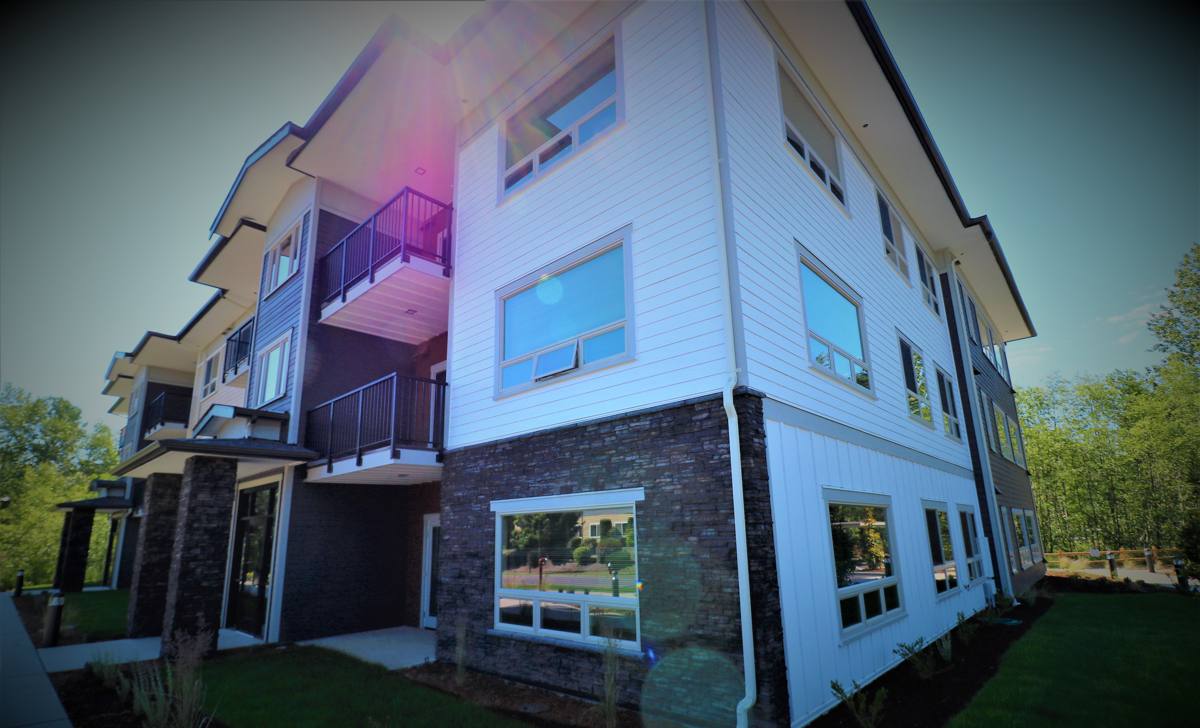
What Dunedin Homes Actually Need From Their Siding
Wind Resistance That Matches the Real Exposure
Pinellas County construction falls under Florida's high-velocity wind provisions, and Dunedin's proximity to open water means homes here regularly see sustained wind loads that inland properties don't. Siding has to be rated and fastened to handle that — not just meet a minimum code number, but be installed with the fastening pattern and clearances that keep it attached when wind pressure spikes during a storm.
Moisture Management, Not Just Moisture Resistance
Wind-driven rain in this area doesn't fall straight down — it gets pushed sideways and upward under eaves, around corners, and into any gap the installation leaves behind. A correct siding system assumes some water will reach the wall and gives it a way out: proper flashing, house wrap integration, weep paths, and clearances above grade, decks, and roof lines. Siding that just relies on being "waterproof" on its face, without a drainage plane behind it, is siding that eventually traps moisture instead of shedding it.
UV and Color Stability
Florida sun is intense and constant, and it is hardest on paint and coatings, not on the substrate itself. A lot of siding failure homeowners notice first isn't structural — it's chalking, fading, or peeling paint that makes a house look tired within a handful of years. The finish matters as much as the material underneath it.
Salt Air Durability
Dunedin isn't oceanfront everywhere, but it's close enough to the Gulf and the Intracoastal that salt-laden air reaches most of the community. Salt accelerates corrosion on fasteners and trim hardware, and it degrades some coatings faster than inland exposure would. Material and hardware choices need to account for that from the start, not get discovered as a problem five years in.
Why We Install Only James Hardie Fiber Cement
We made a deliberate decision to stop offering vinyl, LP SmartSide, primed wood, and other fiber cement brands, and install James Hardie exclusively. That isn't a marketing position — it's a response to what we've seen hold up under this specific climate versus what struggles.
Fiber cement as a category resists the two things that hurt siding here most: it doesn't soften, warp, or absorb moisture the way engineered wood products can, and it doesn't get brittle or distort under sustained heat and UV the way vinyl can over time. Within fiber cement, James Hardie's HZ5 product line is specifically engineered for high-humidity, storm-prone climates like Florida's — the formulation and installation specs account for the moisture cycling and wind exposure homes here actually experience.
The other piece is the factory-applied ColorPlus finish. Because the color coat is baked on in a controlled factory process rather than field-applied, it holds up to UV exposure far better than most site-applied paint jobs, and it comes with its own finish warranty separate from the substrate warranty. For a Dunedin home taking direct, near-constant sun, that finish durability is not a cosmetic detail — it's a big part of why the siding still looks right a decade later.
We're not going to tell you other products are worthless — vinyl and engineered wood siding have real markets and reasonable uses in the right conditions. What we will say is that after years of doing exterior work on this coastline, we stopped being comfortable putting our name behind installations we didn't think would hold up to what this climate does to a house. James Hardie fiber cement is what we're willing to warranty and stand behind here.
What a Correct James Hardie Installation Involves
Hardie siding is only as good as its installation. The product is engineered to spec, but every failure we get called out to inspect traces back to an installation shortcut, not a defective board. A correct job includes:
- A weather-resistant barrier installed and lapped correctly behind the siding, with all penetrations properly flashed
- Manufacturer-specified clearances from grade, roofing, decks, and other horizontal surfaces to prevent wicking moisture into the bottom edge of the panels
- Correct fastener type, spacing, and embedment depth — Hardie is specific about this, and it's the single most common corner cut in bad installations
- Proper joint treatment and caulking at butt joints, corners, and around penetrations
- Field-cut edges primed and sealed before installation, since factory edges are treated but cut edges are not
- Correct panel or plank overlap and nailing pattern to meet the wind rating for this zone
Any one of these done wrong doesn't necessarily show up immediately. It shows up two, five, or eight years later as a soft spot, a stained interior wall, or panels that have come loose in a wind event. That gap between the mistake and the visible problem is exactly why hiring based on price alone is risky — a rushed installation can look identical to a correct one on the day it's finished.
Our Installation Process for Dunedin Homes
1. On-Site Assessment
We walk the home, assess the current siding or substrate condition, check for existing moisture damage, and evaluate exposure — how much direct sun, wind, and rain a given elevation actually takes, since it's rarely uniform on all four sides of a house.
2. Substrate and Moisture Barrier Prep
Any damaged sheathing gets addressed before new siding goes up — covering over a compromised substrate just hides a problem, it doesn't fix it. The weather-resistant barrier is installed fresh and integrated with window and door flashing.
3. Installation to Manufacturer and Wind-Zone Spec
Fastening, clearances, and joint treatment follow James Hardie's published specifications for this wind zone, not a generalized approach. This is also where local code and permitting requirements for Pinellas County get folded in.
4. Trim, Joints, and Detail Work
Corners, transitions, and penetrations (vents, fixtures, hose bibs) get the flashing and sealant detail that keeps water from finding its way behind the siding at the weak points.
5. Final Walkthrough
We review the finished work with the homeowner, confirm warranty registration, and go over basic care so the siding performs the way it's designed to for the long haul.
Signs a Dunedin Home May Need Siding Replacement Soon
Not every siding problem is obvious from the curb. Some of the more common signs we see on homes in this area include soft or spongy spots when pressed (often near the bottom edge or around windows), visible cracking or warping, paint that's peeling rather than just fading, gaps opening up at joints and corners, and musty smells or staining on interior walls that back up to exterior siding. Any of these can mean moisture has already gotten behind the siding, which is worth having looked at before it's addressed only cosmetically.
What Affects the Cost of a Siding Installation
| Factor | Why It Matters |
|---|---|
| Home size and elevation complexity | More square footage and more corners, gables, and transitions mean more material and labor |
| Substrate condition | Water-damaged sheathing found during removal needs repair before new siding goes on |
| Product line and profile | HardiePlank lap siding, HardiePanel, and shingle-style profiles carry different material and labor costs |
| Trim and detail work | Homes with more windows, dormers, and architectural detail take more time to flash and trim correctly |
| Color and finish selection | ColorPlus factory finishes versus field-painted options affect both cost and long-term maintenance |
| Access and site conditions | Multi-story sections, tight lot lines, or landscaping can affect staging and labor time |
We give straightforward, itemized estimates so homeowners can see what's driving the number rather than a single lump figure.
Why Hiring a Crew That Already Works in Dunedin Matters
A siding crew that regularly works Dunedin and the surrounding Pinellas County area already knows the wind exposure patterns for different parts of town, understands local permitting and inspection expectations, and has seen how homes here age under this specific combination of sun, salt, and storm exposure. That's different from a crew installing Hardie siding for the first time in this climate or applying a one-size-fits-all approach from inland work. Local experience shows up in the details — clearance decisions, flashing choices, fastening patterns — that determine whether the installation is still performing correctly a decade from now.
Living With Hardie Siding After Installation
One advantage of fiber cement is that it doesn't demand much upkeep, but a little routine attention goes a long way in this climate:
- Rinse siding periodically to clear salt residue and airborne debris, especially on Gulf-facing elevations
- Keep sprinklers and irrigation from spraying directly on siding long-term
- Inspect caulking at joints and trim annually and have any gaps resealed
- Trim landscaping back so foliage isn't holding moisture against the siding
- Have the home looked at after major storms for any impact damage or loosened panels
If you're weighing a siding replacement or repair for a Dunedin home, we're happy to take a look and walk you through what we'd recommend and why — no pressure, no obligation. Use the form below to request a free estimate.