 Clearwater Roofing
 Roofing in Skycrest: A Neighborhood Built for Florida, Tested by Florida
Skycrest is one of Clearwater's established residential pockets — a mix of mid-century ranch homes and newer infill construction, mostly single-story, with the kind of mature tree canopy that gives a neighborhood character but also puts real stress on a roof. Homes here were built in different decades under different codes, which means the roof over one Skycrest house can be in a completely different condition than the one next door, even if both look fine from the street. We've worked on roofs, siding, windows, and decks across Pinellas County long enough to know that Clearwater's climate doesn't wait for a hurricane to do damage — it works on your home every single day.
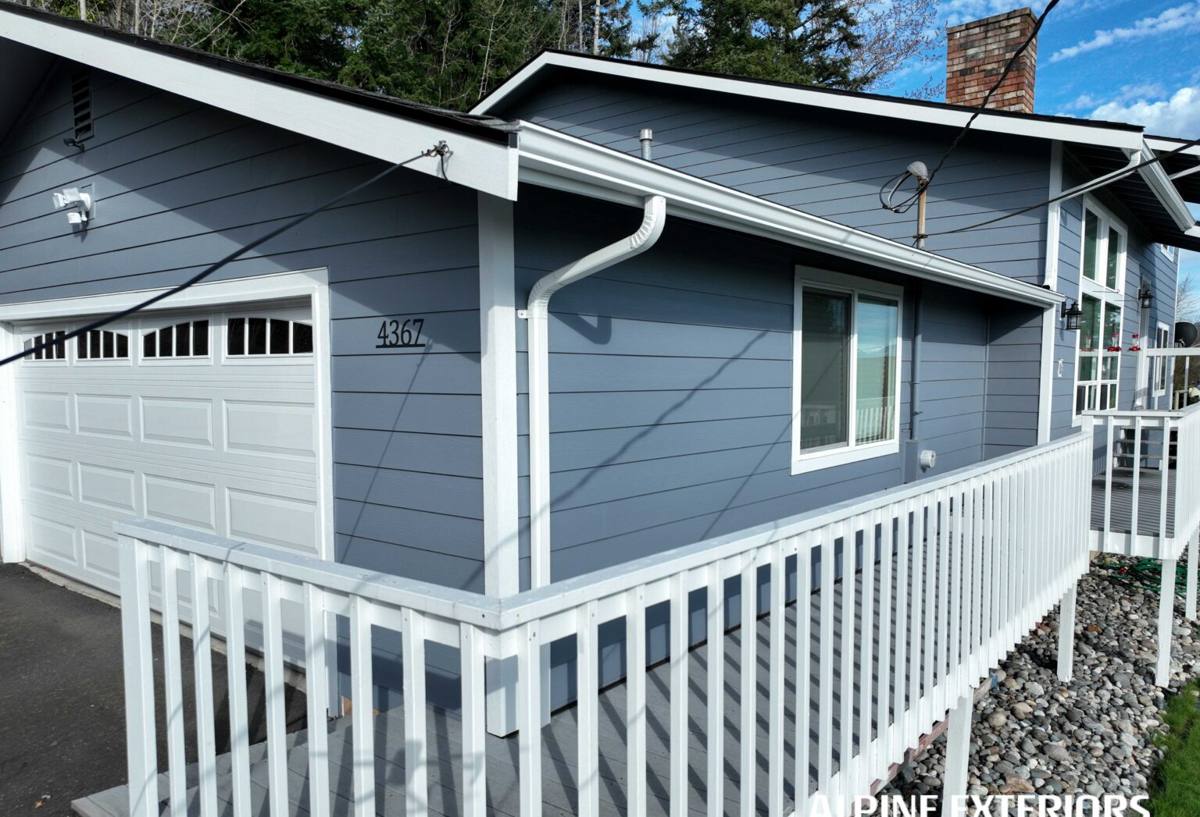
What Clearwater's Climate Actually Does to a Skycrest Home
It's easy to think of roof damage as something that only happens during a named storm. In reality, four separate stresses are acting on every exterior surface in this area, year-round:
Hurricane-Force Wind
Pinellas County sits in a high-velocity hurricane zone, and even homes well inland from the coast — like most of Skycrest — see damaging gusts during tropical systems. Wind doesn't just tear shingles off in a storm; it works underneath edges and flashing over years, loosening fasteners a little at a time until a bigger gust finally finishes the job.
Intense, Year-Round UV
Florida sun is stronger and more constant than in most of the country. UV breaks down the asphalt oils in shingles, causes granule loss, and dries out sealants and caulking around windows and doors far faster than in a northern climate. A roof or window seal that would last 20 years in a mild climate might be showing real wear here in half that time.
Wind-Driven Rain
Clearwater's rain doesn't fall straight down — summer storms and tropical systems push it sideways, which means water gets tested at every seam, lap, and penetration point on a roof or wall. This is exactly where poor installation shows up first: a roof that sheds vertical rain fine can still leak badly under wind-driven rain if flashing details weren't done right.
Salt Air
Skycrest isn't beachfront, but Clearwater as a whole sits close enough to Tampa Bay and the Gulf that salt-laden air travels inland and accelerates corrosion on metal fasteners, flashing, gutters, and any exposed hardware. Over time, that corrosion is what turns a small leak point into a bigger repair.
The Skycrest Housing Stock: Why Age and Roof Type Matter
Because Skycrest includes homes from several building eras, the right roofing approach really does vary house to house. Older homes may still have original decking or outdated flashing details that don't meet current wind-uplift standards. Newer or previously re-roofed homes may already have hurricane straps and improved nailing patterns but could be due for a full inspection if it's been 10-15 years. We don't assume — every job starts with an honest look at what's actually up there, not just what the age of the house suggests.
Roofing Materials: An Honest Comparison
There's no single "best" roofing material for every Clearwater home — it depends on your roof's slope, your budget, and how long you want to go between major work. Here's how the main options stack up for this climate:
| Material | Typical Lifespan | Wind Performance | Maintenance Needs |
|---|---|---|---|
| Architectural asphalt shingle | 20-30 years | Good with proper nailing pattern and rated shingle | Periodic inspection, moderate |
| Standing seam metal | 40-50+ years | Excellent when properly fastened | Low, occasional fastener/sealant check |
| Concrete or clay tile | 40-50+ years | Very good, but individual tiles can crack or dislodge in wind | Moderate — broken tile replacement, underlayment is the real lifespan factor |
| Flat/low-slope membrane (TPO, modified bitumen) | 15-25 years | Depends heavily on seam and edge detail | Moderate, seams need periodic checking |
Whatever material is already on your Skycrest home, the underlayment, flashing, and fastening details matter more to long-term performance than the material itself. A well-installed shingle roof will outlast a poorly installed tile roof, every time.
It's Not Just the Roof — The Exterior Works as One System
We handle roofing, siding, windows, and decks because they're not really separate problems on a Florida home — they're one connected envelope. A roof can be in great shape and a home can still take on water damage if siding has failed seams, if window flashing has degraded, or if a deck ledger board has been letting moisture into the structure behind it.
Siding
Siding takes the brunt of wind-driven rain on the sides of a house that a roof never sees. In Skycrest's mix of home styles, we see everything from older wood and aluminum siding to newer fiber cement and vinyl. Each has different vulnerabilities to UV fading, moisture intrusion behind seams, and impact damage — and each needs to be installed with the right flashing and moisture barrier behind it, not just fastened to the wall.
Windows
Older single-pane or non-impact windows are a weak point during storms and a steady source of energy loss the rest of the year. Impact-rated windows help protect the interior of the home during high wind events and reduce the UV and heat load that Florida sun puts on interior finishes.
Decks
Outdoor living structures in this climate face constant sun exposure, humidity, and ground moisture. Proper fastener selection, ledger flashing, and material choice determine whether a deck lasts a decade or needs major rebuilding work far sooner.
Signs Your Skycrest Home Needs an Exterior Inspection
Most exterior damage doesn't announce itself with a dramatic leak — it shows up as small signals first. Worth checking for:
- Granules collecting in gutters or at downspout outlets (a sign of shingle wear)
- Curling, cracked, or missing shingles, especially after any storm with sustained wind
- Soft spots, discoloration, or staining on interior ceilings, particularly near exterior walls
- Cracked or loose siding panels, or gaps opening up at seams and corners
- Fogging or condensation between window panes, or difficulty opening/closing sashes
- Soft, spongy, or discolored deck boards, or rust streaks around fasteners
- Visible rust or corrosion on roof flashing, vents, or gutter hardware
- Higher-than-usual cooling bills, which can point to failing attic ventilation or roof insulation
The Pinellas County Insurance and Permitting Reality
Florida homeowners insurance underwriting has gotten stricter, and roof condition is one of the biggest factors carriers look at. A 4-point inspection or wind mitigation inspection can directly affect your premium, and an aging or storm-damaged roof can make a policy harder to renew. Roofing and window work in Clearwater also has to meet Florida Building Code wind-load requirements, which govern things like nailing patterns, impact ratings, and flashing details — this isn't optional paperwork, it's what actually keeps a roof or window in place during a real event. We pull the proper permits and build to code, which also gives you documentation your insurance carrier may ask for down the road.
Why a Local Crew Makes a Real Difference
A crew that works Clearwater and greater Pinellas County regularly knows what actually fails here — which flashing details cause callbacks, which materials hold up to salt air and which don't, and what an inspector is going to want to see. That's different from a crew working off a generic national playbook. Being local also means we're not disappearing after a storm season rush; if something needs a warranty check or a follow-up years later, we're still in the area.
How We Work: From First Look to Final Walkthrough
- Inspection: We assess the roof, siding, windows, or deck in question and give you a straight answer on what's actually needed — repair versus replacement — and why.
- Written estimate: A clear scope of work and price before anything is scheduled, no vague allowances.
- Permitting: We handle the permit process required for roofing, siding, and window work under Florida Building Code.
- The work itself: Proper tear-off or removal, correct underlayment and flashing details, and materials rated for local wind and UV exposure.
- Final walkthrough: We go over the finished work with you before considering the job done.
Protecting Your Investment After the Work Is Done
A good installation is the foundation, but a little ongoing attention extends the life of any roof, siding, window, or deck in this climate. Keep gutters clear so water isn't backing up under roof edges, keep an eye on caulking and sealant around windows and deck ledgers since Florida UV breaks it down faster than in other regions, and consider a post-storm visual check after any major weather event rather than waiting for a leak to show up inside. None of this replaces a professional inspection every few years, but it goes a long way between visits.
If you're not sure whether your Skycrest home needs a repair, a full replacement, or just a professional opinion, we're glad to take a look. Reach out for a free, no-pressure estimate using the form below — no obligation, just an honest assessment of where things stand.