 Clearwater Roofing
 Roofing in Palm Harbor: Built for a Coastal Pinellas County Climate
Palm Harbor sits along the Gulf side of Pinellas County, which means roofs here work harder than roofs almost anywhere else in the country. Between the salt air rolling in off the water, the punishing summer sun, and the wind and rain that come with our hurricane season, a roof in this area is under constant, low-grade stress even in a quiet year. Add one direct storm hit and years of gradual wear can show up all at once. We work on homes throughout Palm Harbor and the surrounding Clearwater area, and the patterns we see here are consistent enough that we can usually tell a homeowner what shape their roof is likely in before we ever climb a ladder, just based on the age of the home and the roofing material.
This page walks through what actually happens to roofs in this climate, how we approach repairs and replacements for Palm Harbor homes specifically, and what to look for when you're deciding whether a roof needs attention now or can wait.
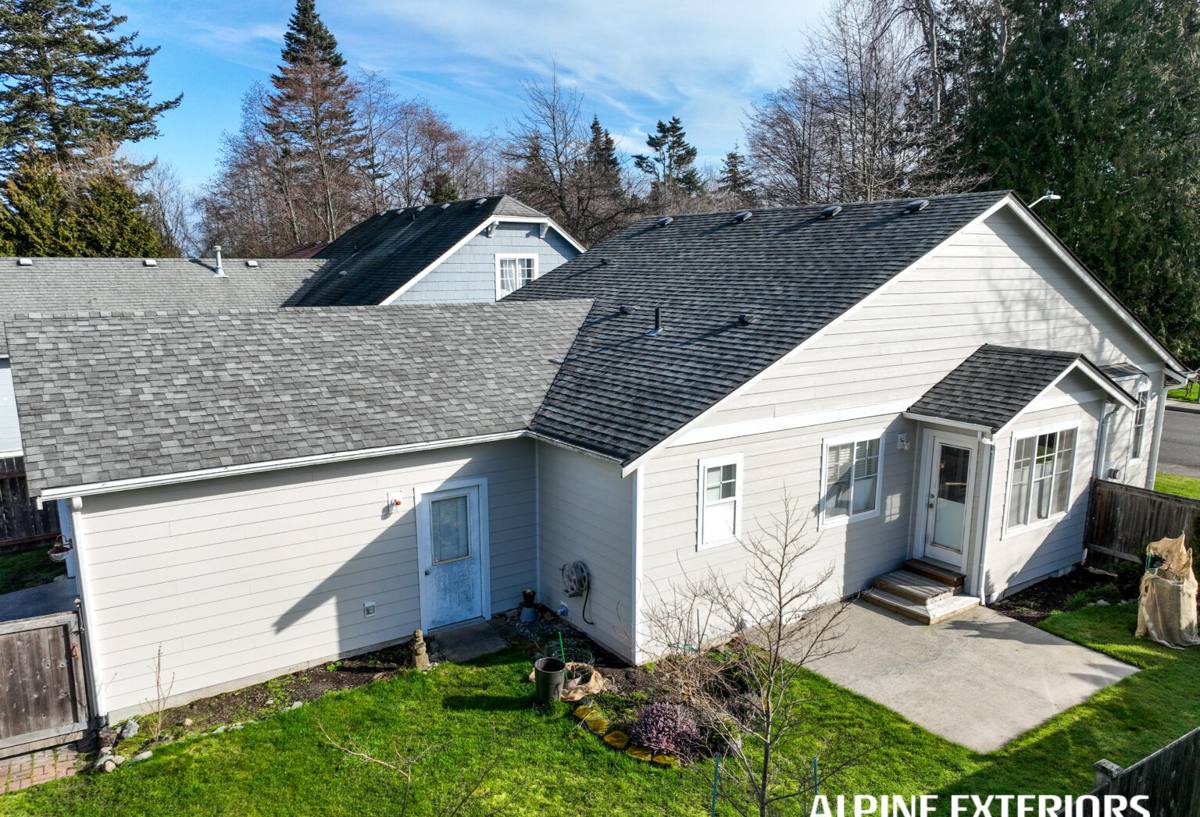
What the Climate Does to a Palm Harbor Roof
Sun and Heat
Florida's year-round UV exposure is one of the most underrated stressors on a roof. Asphalt shingles rely on granules and oils in the asphalt to stay flexible and reflective. Constant sun bakes those oils out over time, which is why shingle roofs in this region tend to show granule loss, curling, and brittleness years before the same product would fail in a cooler, cloudier climate. Metal and tile hold up better against UV specifically, but no roofing material is immune to the cumulative effect of intense daily sun.
Wind-Driven Rain
Straight-down rain is rarely the problem. It's wind-driven rain, pushed sideways under wind pressure, that finds its way past flashing, under shingle tabs, and into any gap that a calm-weather roof would never notice. This is why flashing details around chimneys, vents, skylights, and roof-to-wall transitions matter so much here. A roof can look fine from the ground and still be letting water in at these transition points during a windy storm.
Hurricane-Force Wind
Pinellas County sits in a wind-borne debris region, and building code here reflects that. Roofs need to resist uplift, keep their edges and fascia secured, and shed wind-blown debris without losing coverage. Older roofs installed before more recent code updates often lack some of the fastening and underlayment standards that newer installations require, which is part of why age matters as much as visible damage when we're assessing a roof after a storm season.
Salt Air
Being close to the Gulf means airborne salt settles on roofing materials and accelerates corrosion on anything metal: fasteners, flashing, gutters, and vent stacks. Standard steel fasteners can rust and weaken well before the roofing material itself is due for replacement, which is a common reason a roof develops leaks around flashing points even when the shingles or tiles still look serviceable.
Common Roofing Issues We See in Palm Harbor Homes
- Granule loss and shingle curling from prolonged UV exposure
- Soft spots or staining on interior ceilings from slow flashing leaks
- Corroded fasteners and flashing near chimneys, vents, and skylights
- Lifted or cracked tiles after high wind events
- Underlayment breakdown on roofs original to the home, especially those 15-20+ years old
- Clogged or undersized gutters contributing to water backing up under the roof edge
- Algae or dark streaking on shaded, north-facing roof sections
Roofing Materials: What Works Well in This Area
| Material | Typical Lifespan Here | Strengths | Trade-Offs |
|---|---|---|---|
| Asphalt Shingle | 15-25 years | Lower upfront cost, wide style range, straightforward repairs | UV and heat shorten lifespan versus cooler climates; needs periodic inspection |
| Concrete/Clay Tile | 30-50 years | Excellent UV and wind resistance, low maintenance surface | Higher upfront cost; underlayment beneath tile still has a service life and eventually needs replacement |
| Standing Seam Metal | 40-60 years | Strong wind uplift resistance, reflects heat, minimal maintenance | Higher material and installation cost; requires correct fastening detail for coastal wind zones |
We don't push homeowners toward one material across the board. The right choice depends on your budget, how long you plan to stay in the home, the roof's pitch and structure, and what HOA or historic guidelines (if any) apply in your specific Palm Harbor neighborhood. What we will always be direct about is installation quality: a mid-tier material installed correctly with proper flashing and fastening will consistently outperform a premium material installed carelessly.
Roof Inspections: What We Actually Check
A thorough inspection isn't a glance from the driveway. We check the roofing surface itself for granule loss, cracking, or lifted tiles; every flashing point around penetrations and wall transitions; the condition of fasteners and metal components for salt-air corrosion; the fascia and roof edge for wind resistance; and, where accessible, the attic side for signs of moisture, staining, or ventilation problems. Attic ventilation in particular gets overlooked — poor airflow traps heat and moisture, which shortens the life of the underlayment and decking from underneath, even when the roof surface looks fine from above.
After a named storm or a season of heavy wind, we recommend having a roof looked at even if there's no visible leak yet. Wind can loosen fasteners or lift tile edges without causing an obvious problem right away, and catching that early is a lot less expensive than repairing water damage months later.
Signs You Shouldn't Ignore
- Ceiling stains, especially ones that appear or grow after a rainstorm
- Missing, cracked, or curling shingles visible from the ground
- Granules collecting in gutters or at downspout outlets
- Daylight visible through the roof deck from inside the attic
- A noticeably higher cooling bill, which can point to ventilation or insulation issues tied to the roof
- Soft or spongy spots when walking the roof (we check for this; homeowners shouldn't walk their own roof)
Repair vs. Replacement: How We Think About It
Not every roofing issue means a full replacement, and we're not going to tell you it does. If a roof is younger, the damage is localized, and the underlayment and decking underneath are still sound, a targeted repair is often the honest recommendation. Replacement becomes the right call when a roof is nearing or past its expected lifespan for its material, when damage is widespread rather than isolated, or when repeated repairs in different spots suggest the underlying materials are failing broadly rather than in one specific area.
We'll also factor in insurance timing. If a storm has caused documented damage, there can be a window where repair or replacement is more straightforward to coordinate with a claim. We're happy to walk through what we're seeing and let you make that call with clear information, not pressure.
Cost Factors Homeowners Should Understand
| Factor | Why It Matters |
|---|---|
| Roof size and pitch | Steeper and larger roofs require more material and labor time |
| Material choice | Shingle, tile, and metal carry different material and installation costs |
| Decking condition | Rotted or damaged decking found during tear-off adds material and labor to replace it properly |
| Number of penetrations | More vents, skylights, and chimneys mean more flashing detail work |
| Access | Landscaping, multi-story sections, or tight lot lines can affect labor and staging |
We provide a written estimate that breaks these factors out so you can see what's driving the cost, rather than a single lump number with no explanation behind it.
Why a Local Crew Matters for Palm Harbor Roofing
Roofing in Pinellas County isn't generic roofing. Permitting requirements, wind-load standards, and inspection expectations here reflect the fact that this is a coastal, hurricane-exposed county, and a crew that works in this specific area day in and day out knows those requirements without having to look them up. Local crews also understand how quickly Florida weather can turn a straightforward job into a scheduling problem, and plan around that rather than getting caught off guard by it. When we're on your roof in Palm Harbor, we're applying what we've learned from the roofs down the street, not a one-size-fits-all approach imported from a different climate.
Being local also matters after the job is done. If a question comes up six months or two years later, you're calling a crew that's still working in your neighborhood, not chasing down a company that only showed up for one storm season.
Beyond the Roof: Windows, Siding, and Decks
Roofing problems rarely stay isolated to the roof. Wind-driven rain that gets past flashing can eventually affect fascia, soffits, and siding at the roofline. Salt air and UV that degrade roofing materials are doing the same thing to exterior siding, window seals, and any exposed decking on the property. Because we handle roofing, siding, windows, and decks, we can look at your home's exterior as a connected system rather than one isolated repair, and flag related issues before they become bigger problems. That's a practical advantage for homeowners who'd rather deal with one contractor who understands how these systems interact than coordinate separate companies for each trade.
What to Expect When You Work With Us
We start with an honest inspection and a clear explanation of what we find, good or bad. If a repair is the right answer, we'll say so. If replacement makes more sense, we'll explain why and walk through material options that fit your budget and how long you plan to be in the home. We handle the permitting and inspection process required in Pinellas County, and we stand behind our workmanship with clear warranty terms explained up front, not buried in fine print.
If you're in Palm Harbor and have a roof that's due for a look, whether it's routine maintenance, storm-related concern, or you're just planning ahead, we're glad to come take a look. Reach out for a free, no-pressure estimate using the form below, and we'll give you a straightforward read on where your roof stands.