 Clearwater Roofing
 Storm Damage Roof Repair for Del Oro, Clearwater, FL
Del Oro homeowners don't need a hurricane to end up with storm-damaged roofs. A single strong afternoon thunderstorm rolling off Tampa Bay, a tropical storm skirting the Gulf, or a straight-line wind event can lift shingles, crack tile, and drive water into places it was never meant to go. The tricky part isn't always the obvious damage — it's the damage you can't see from the ground that turns into a leak three months later. We repair storm-damaged roofs throughout Clearwater and Pinellas County, and Del Oro is one of the neighborhoods we service regularly enough to know its roof lines, common construction styles, and the kind of storm exposure homes here typically face.
This page covers what storm damage repair actually involves for a Del Oro roof, how we approach the work, and what to expect if you're dealing with damage right now.
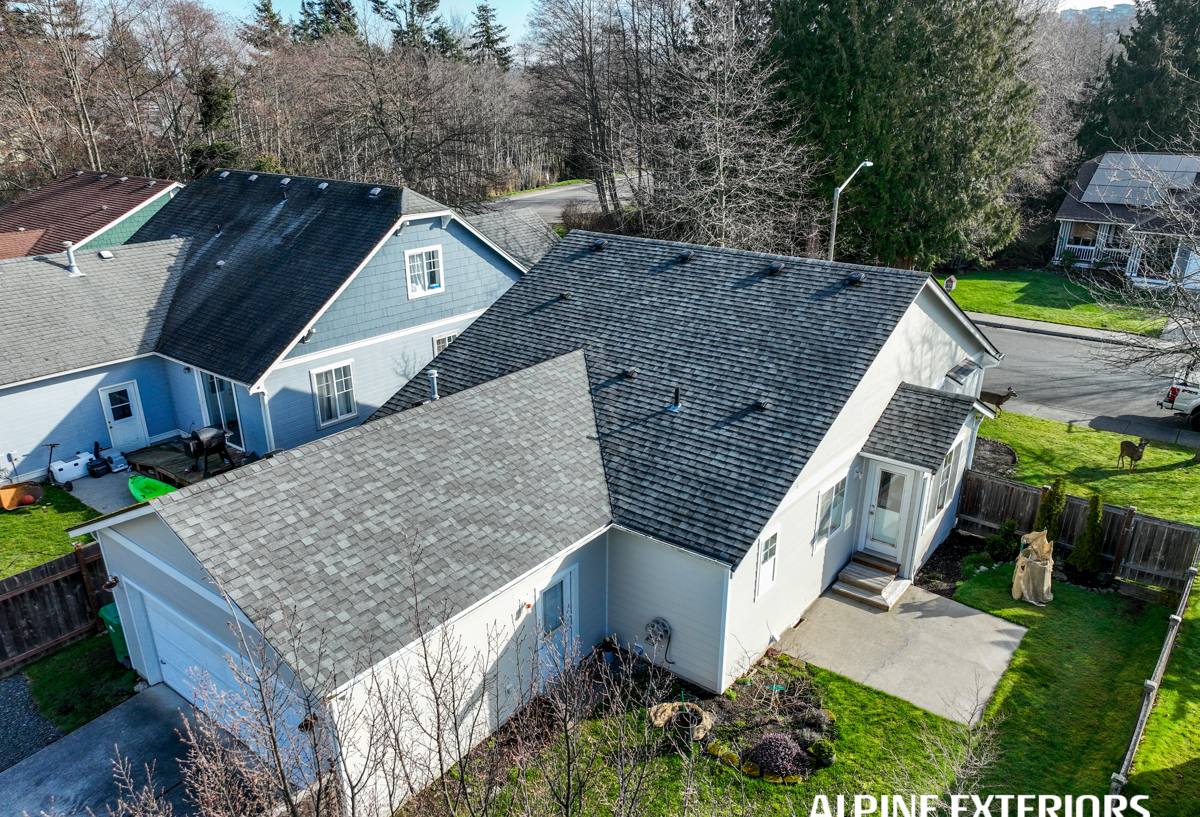
Why Del Oro Roofs Take a Harder Hit From Florida Storms
Clearwater sits in a part of Pinellas County that gets the full spread of what Gulf Coast weather can throw at a roof, and Del Oro is no exception. A few climate factors compound on each other over the life of a roof:
- Hurricane-force wind gusts can lift roofing material at the edges and ridges first, where uplift pressure is highest, even on roofs that otherwise look intact.
- Wind-driven rain doesn't fall straight down during a storm — it gets pushed sideways and upward under shingles, tiles, and flashing, finding gaps that would never leak in a normal rain.
- Intense, near-constant UV exposure bakes roofing materials year-round, drying out sealants and making shingles more brittle and more likely to crack or tear loose in high wind rather than flex.
- Salt air, even at some distance from the immediate coastline, accelerates corrosion on exposed metal — flashing, fasteners, vent stacks, and drip edge — which is often where a "storm leak" actually starts.
None of these factors cause damage on their own. The problem is that they weaken a roof's defenses over time, so when a storm does come through, damage shows up in spots that were already compromised. That's why two roofs of the same age, hit by the same storm, can come through with very different results.
What Counts as Storm Damage (Beyond Missing Shingles)
Wind Damage
Wind damage isn't just shingles blown off. It also includes shingles that got lifted and re-sealed themselves crooked, creased shingles that lost their wind rating even though they're still attached, and ridge cap pieces that loosened at the fasteners. All of these can look fine from the driveway.
Hail and Impact Damage
Florida hail events are less frequent than in some parts of the country, but they do happen, and impact damage from hail, falling branches, or wind-thrown debris can bruise shingles or crack tile without an obvious visible hole. Bruised asphalt shingles lose granule protection at the impact point, which accelerates wear at that exact spot.
Wind-Driven Rain Intrusion
This is the damage type that causes the most confusion for homeowners, because the leak inside the house often doesn't line up visually with where the water actually entered the roof. Water can travel several feet under underlayment before it finds a gap in the decking or drips through a ceiling.
Flashing and Penetration Failures
Flashing around chimneys, skylights, vent stacks, and roof-to-wall transitions is a common storm failure point because it relies on sealant and fastener integrity rather than just overlapping material. Salt air and UV both work against these components over time, and storms are what finally push a marginal flashing detail into an active leak.
What a Correct Storm Damage Repair Actually Involves
A storm damage repair that's done right isn't just "replace what's obviously missing." It's a sequence of checks that make sure the repair actually solves the problem instead of covering it up.
1. Full-Slope Inspection, Not a Spot Check
We inspect the entire roof plane where damage occurred, not just the area directly above the reported leak. Wind and water damage rarely stay contained to one shingle or tile — checking the surrounding field catches secondary damage before it becomes a second service call.
2. Decking Assessment
If water made it past the roofing surface, the decking underneath needs to be checked for soft spots, delamination, or staining. Replacing shingles over damaged decking is a shortcut that fails again in the next storm.
3. Underlayment and Flashing Repair
Underlayment is the roof's real waterproofing layer — the shingles or tiles are the wear surface on top of it. Any repair that disturbs the roofing surface should also address the underlayment and flashing underneath, especially around penetrations and roof-to-wall details, since those are the parts most likely to have failed in the first place.
4. Material Matching
For a partial repair, matching the existing shingle or tile profile, color, and weight matters both for appearance and for performance — mismatched materials can create uneven wear patterns or water flow issues at the seams between old and new.
Our Storm Damage Repair Process
When a Del Oro homeowner calls after a storm, here's how we handle it:
Assessment
We inspect the roof in person, document what we find with photos, and give you a straight answer on whether this is a repair, a partial section replacement, or something that warrants a broader conversation about the roof's remaining lifespan.
Temporary Protection
If there's active exposure — missing shingles, a hole, lifted flashing — we prioritize getting the roof watertight first, even if the full repair takes a few extra days to schedule materials for. A tarp or temporary patch done correctly buys time without creating new problems.
Documentation for Insurance
If you're filing a claim, we provide clear photo documentation and a written scope of damage that matches what an adjuster will be looking for. We don't handle the claim for you, but we make sure the roof-side paperwork is accurate and complete.
Repair Work
We complete the actual repair — decking, underlayment, flashing, and roofing surface — in that order, so nothing gets sealed up over an unresolved problem.
Final Walkthrough
We walk the completed repair with you, or provide photos if you're not able to be on-site, so you know exactly what was done.
Repair vs. Replacement: How We Decide
Not every storm-damaged roof needs full replacement, and not every roof can be safely patched. The right call depends on a few factors:
| Factor | Favors Repair | Favors Replacement |
|---|---|---|
| Extent of damage | Isolated to one slope or area | Widespread across multiple slopes |
| Roof age | Roof is well within its expected service life | Roof was already near end of life before the storm |
| Decking condition | Decking is sound under the damaged area | Decking shows rot or repeated soft spots |
| Material availability | Matching material is available | Discontinued material with no reasonable match |
| Storm history | First significant damage in years | Repeated storm damage claims on the same roof |
We'll always tell you honestly which category your roof falls into rather than defaulting to whichever option is more work for us.
Insurance Claims and Storm Damage: What Del Oro Homeowners Should Know
Florida's insurance climate has made storm damage claims more scrutinized than they used to be. A few practical points worth knowing:
- Document damage as soon as it's safe to do so — photos from the ground are fine, you don't need to get on the roof yourself.
- Report leaks and damage promptly; delayed reporting can complicate a claim regardless of how legitimate the damage is.
- Keep any temporary repair receipts (tarping, emergency patches) — most policies expect reasonable steps to prevent further damage.
- An independent roof inspection before or alongside the adjuster's visit gives you your own documentation to work from.
We're happy to provide that independent inspection and documentation as part of a storm damage repair estimate, whether or not you end up filing a claim.
Why Hiring a Crew That Already Works Del Oro Matters
Storm damage repair brings out storm-chasing contractors who show up in a neighborhood after a bad weather event, offer aggressive quotes, and are gone before any warranty issue surfaces. A few reasons working with a crew already established in the Clearwater area is worth the extra questions you might ask before hiring anyone:
- We know the common roofing styles and materials used on homes in and around Del Oro, which speeds up accurate material matching.
- We're not going anywhere — if a repair needs a follow-up visit, we're a local call, not a phone number that stops answering after storm season.
- We understand Pinellas County permitting and inspection requirements for roof repair work, so nothing gets done that creates problems at resale.
- We can speak knowledgeably about how a repair will hold up specifically against Gulf Coast wind and rain patterns, not generic weather assumptions.
Checklist: What to Do After Storm Damage
- Check for interior signs first — ceiling stains, damp drywall, musty smell in the attic.
- Photograph visible exterior damage from the ground; skip climbing on the roof.
- Note the date and general weather event for your own records.
- Call for an inspection promptly, even if the damage looks minor.
- Ask any contractor for local references and proof of licensing and insurance before agreeing to work.
- Keep receipts for any temporary protective measures.
If your Del Oro roof took a hit in a recent storm — or you're just not sure whether some minor-looking damage needs attention — we'll come out, inspect it honestly, and give you a straightforward, no-pressure estimate. Use the form below to get started.