 Clearwater Roofing
 Asphalt Shingle Roofing Built for Sunset Point's Exposure
Sunset Point sits close enough to open water that every roof in the neighborhood earns its keep. Homes here take a steady beating from three directions at once: intense, near-year-round UV that bakes shingle granules and asphalt oils, wind-driven rain that finds every gap in flashing and underlayment, and a steady drift of salt air that accelerates corrosion on fasteners, vents, and metal edging. None of that is unusual for Pinellas County, but it means a shingle roof installed the way it might be installed inland won't hold up the same way here.
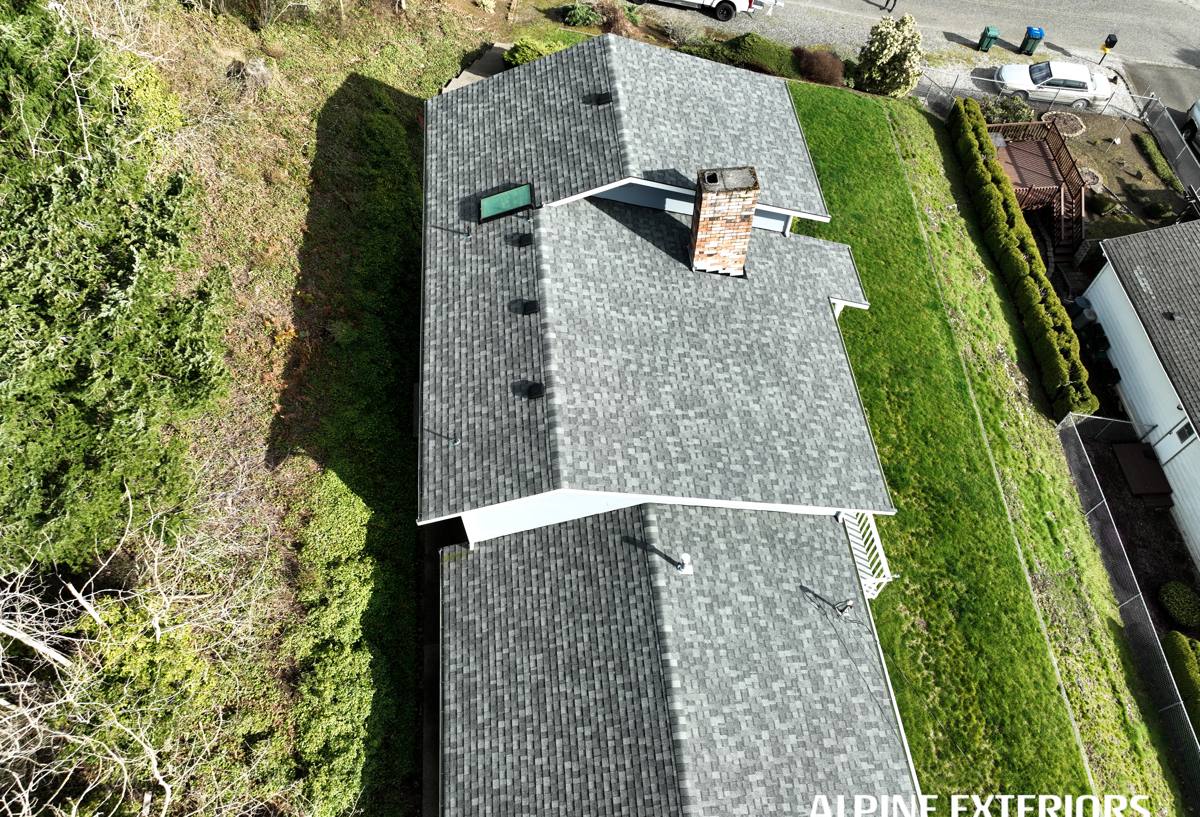
We install asphalt shingle roofing throughout Clearwater, and Sunset Point is one of the neighborhoods we're in regularly enough to know its housing stock, its roof pitches, and the kind of wear we typically find when we get up on a ladder. This page covers what a shingle roof needs to survive here, what a correct installation actually involves, and how our process works from first inspection to final walk-through.
What This Climate Does to a Shingle Roof
Wind and Storm Exposure
Hurricane-force wind events don't need to make direct landfall nearby to stress a roof — sustained tropical-storm-force gusts alone are enough to lift poorly-fastened shingle tabs, work loose ridge caps, and drive rain sideways underneath field shingles that aren't properly sealed. The failure point in most wind-related shingle problems isn't the shingle itself; it's the fastening pattern, the sealant strip activation, or a shortcut taken on hip and ridge details.
UV and Heat Cycling
Florida sun is relentless on roofing. UV breaks down the asphalt binder in shingles over time, and daily heat-cool cycling between a hot afternoon and a warm evening rain shower causes the shingle mat to expand and contract. Over years, that cycling is what leads to granule loss, curling edges, and brittleness — long before a shingle's rated lifespan would suggest it should be failing.
Salt Air and Coastal Proximity
Being near the Gulf means airborne salt settles on every exterior surface, roofs included. It's harder on exposed metal — nail heads, flashing, drip edge, and vent housings — than on the shingles themselves. A roof with the wrong grade of fasteners or unprotected metal components will show rust streaks and premature metal failure well before the shingles themselves are due for replacement.
What a Correct Asphalt Shingle Installation Involves
A shingle roof is a system, not a single product. Every layer has a job, and skipping or shortcutting any one of them is where most premature roof failures in this area actually start.
- Deck inspection and repair — any soft, delaminated, or water-damaged plywood gets replaced before a single shingle goes down. Fastening shingles over a compromised deck is how wind uplift problems start.
- Underlayment — a synthetic or self-adhering underlayment appropriate for the roof's slope and exposure, installed with correct overlaps so water sheds properly even if wind drives it uphill under a shingle course.
- Metal flashing and drip edge — new metal at every valley, wall intersection, chimney, and roof edge. Reusing old flashing to save time is one of the most common shortcuts we see, and it's usually where leaks originate years later.
- Starter course — a proper starter strip along eaves and rakes, not cut-down field shingles, so the first course has full sealant contact and wind resistance from day one.
- Nailing pattern — correct nail count and placement per manufacturer specification, not the minimum. This is the single biggest factor in a shingle roof's actual wind performance, regardless of what the shingle's rated wind speed is on paper.
- Ventilation — intake at the soffit and exhaust at the ridge, balanced so hot, moist attic air actually moves. Poor ventilation shortens shingle life from underneath, which is invisible until the roof is already failing.
- Hip and ridge caps — properly nailed and sealed, since ridge lines take the most direct wind loading of any part of the roof.
Why Ventilation Gets Overlooked — and Why It Shouldn't
Ventilation is invisible once the roof is finished, so it's easy for a rushed installer to skip balancing it properly. But in a hot, humid climate like Clearwater's, an attic that can't exhaust heat and moisture bakes shingles from below while trapping condensation that damages the deck. We check existing ventilation on every Sunset Point re-roof and correct it as part of the job rather than treating it as an upsell.
Our Process, Start to Finish
- On-site inspection. We walk the roof, check the attic where accessible, and document the deck condition, flashing points, and ventilation setup before quoting anything.
- Written estimate. You get a clear scope of work and pricing — what shingle, what underlayment, what metal work is included — not a vague lump sum.
- Permitting. Roof replacements in Clearwater require a permit and inspection through the local building department. We handle that paperwork as part of the job.
- Tear-off and deck inspection. Old roofing comes off down to the deck, and any damaged sheathing is identified and replaced before moving forward.
- Installation. Underlayment, flashing, starter course, field shingles, and ridge — installed to manufacturer and code specification, not just "enough to pass."
- Cleanup and magnetic sweep. Job site and yard cleared of debris and stray fasteners.
- Final walk-through and inspection. We review the finished roof with you, and the local building inspector signs off on the permit.
Choosing a Shingle for Sunset Point's Conditions
Not every asphalt shingle product is built the same, and the right choice depends on budget, roof complexity, and how much wind and impact rating you want built into the product itself. We'll walk through actual manufacturer options and warranty terms during your estimate, but here's the general landscape:
| Shingle Type | Typical Wind Rating | Best Fit For |
|---|---|---|
| 3-Tab Shingles | Lower end of rated range | Budget-conscious projects on simpler roof shapes |
| Architectural (Laminate) | Higher rated range, varies by product line | Most Sunset Point homes — better wind and impact performance, dimensional look |
| Impact-Resistant Architectural | Highest rated range plus impact rating | Homeowners prioritizing storm resilience and potential insurance credits |
Architectural shingles have become the standard recommendation for most homes in this area because their thicker, layered construction handles wind uplift and UV degradation better than a basic 3-tab product over the same number of years. Impact-resistant lines add a further layer of protection and, in some cases, can factor into homeowners insurance premium discounts — worth asking your insurance carrier about directly, since programs and credits vary.
Fasteners and Metal Components Matter Just as Much
Given the salt air here, we pay attention to fastener and flashing material quality, not just the shingle brand. Corrosion-resistant nails and properly coated metal flashing cost a little more up front and last considerably longer than standard-grade hardware in a coastal environment.
Signs a Sunset Point Roof Needs Attention
Most shingle roof problems give warning signs well before a leak shows up inside the house. Worth checking for, especially after a windy storm:
- Shingles that look curled, cupped, or lifted at the edges
- Bald spots where granules have worn away, exposing the darker asphalt mat underneath
- Granules collecting in gutters or at downspout discharge points
- Missing or visibly displaced shingles after a wind event
- Rust streaking near flashing, vents, or nail heads
- Soft spots underfoot when walking the roof, if it's safe to do so
- Daylight visible through the attic decking, or damp insulation below the roof deck
Catching these early is almost always cheaper than waiting for an interior leak, since by that point water has typically been working its way into the deck for a while.
What Drives Roofing Cost in This Area
Every roof is different, and we won't quote a number without seeing the roof, but these are the factors that most commonly move a shingle roof estimate up or down:
| Factor | Why It Matters |
|---|---|
| Roof size and pitch | Steeper, larger roofs take more material, more labor time, and more safety setup |
| Number of penetrations | Chimneys, skylights, and multiple vent stacks each need individual flashing work |
| Deck condition | Rotted or delaminated plywood found during tear-off adds replacement cost |
| Shingle tier chosen | 3-tab, standard architectural, and impact-resistant lines carry different material costs |
| Layers being removed | Tearing off multiple existing layers takes more labor than a single-layer tear-off |
| Ventilation upgrades | Adding or correcting ridge and soffit ventilation is sometimes needed to bring an older roof up to proper function |
Why Local Experience in Sunset Point Actually Matters
Roofing code requirements, permitting steps, and typical construction details vary by jurisdiction, and Pinellas County has its own inspection process that out-of-town or infrequent crews don't always navigate smoothly. A contractor who already works in and around Sunset Point brings a few concrete advantages: familiarity with the area's typical roof framing and pitch, an established relationship with the local permitting process, and a realistic sense of how a roof here actually performs after a few storm seasons — not just how it's rated on paper.
That local track record also means we're easy to find if a question comes up after the job is done. We're not a storm-chasing crew that shows up after a hurricane and is gone by the next season — we're working in this part of Clearwater on an ongoing basis.
Maintaining Your Roof After Installation
A correctly installed shingle roof still benefits from basic upkeep, especially in a coastal climate:
- Keep gutters clear so water doesn't back up under the eaves during heavy rain
- Trim back overhanging branches that can drop debris or abrade shingles in wind
- Have the roof visually checked after any major storm, particularly for lifted shingles or displaced ridge caps
- Address small leaks or missing shingles quickly rather than waiting for the next scheduled inspection
None of this requires a large maintenance budget — it's mostly about not letting small issues sit long enough to become deck damage.
Get a Straight Answer on Your Roof
If you're weighing a repair against a full replacement, or just want an honest read on how much life is left in a Sunset Point roof, we're glad to take a look. The estimate is free, there's no pressure attached to it, and you'll get a clear explanation of what we find — use the form below to get started.