 Clearwater Roofing
 Why Indian Rocks Beach Roofs Age Differently
A roof three miles inland and a roof a few blocks from the Gulf are not living the same life, even though both sit under the same Pinellas County sun. Indian Rocks Beach homes deal with salt-laden air that accelerates corrosion on fasteners, flashing, and metal roof panels. They take wind-driven rain that finds its way under shingles and around penetrations that would stay dry on a inland roof. And they get the same intense, nearly year-round Florida UV exposure that bakes asphalt shingles and dries out sealants faster than manufacturers' warranty tables usually assume.
None of this means barrier island homes need exotic materials. It means the replacement has to be done with those conditions in mind from the first nail. Skipping that step is how a roof that should last twenty-plus years starts showing granule loss, curling, or soft decking in year twelve or thirteen.
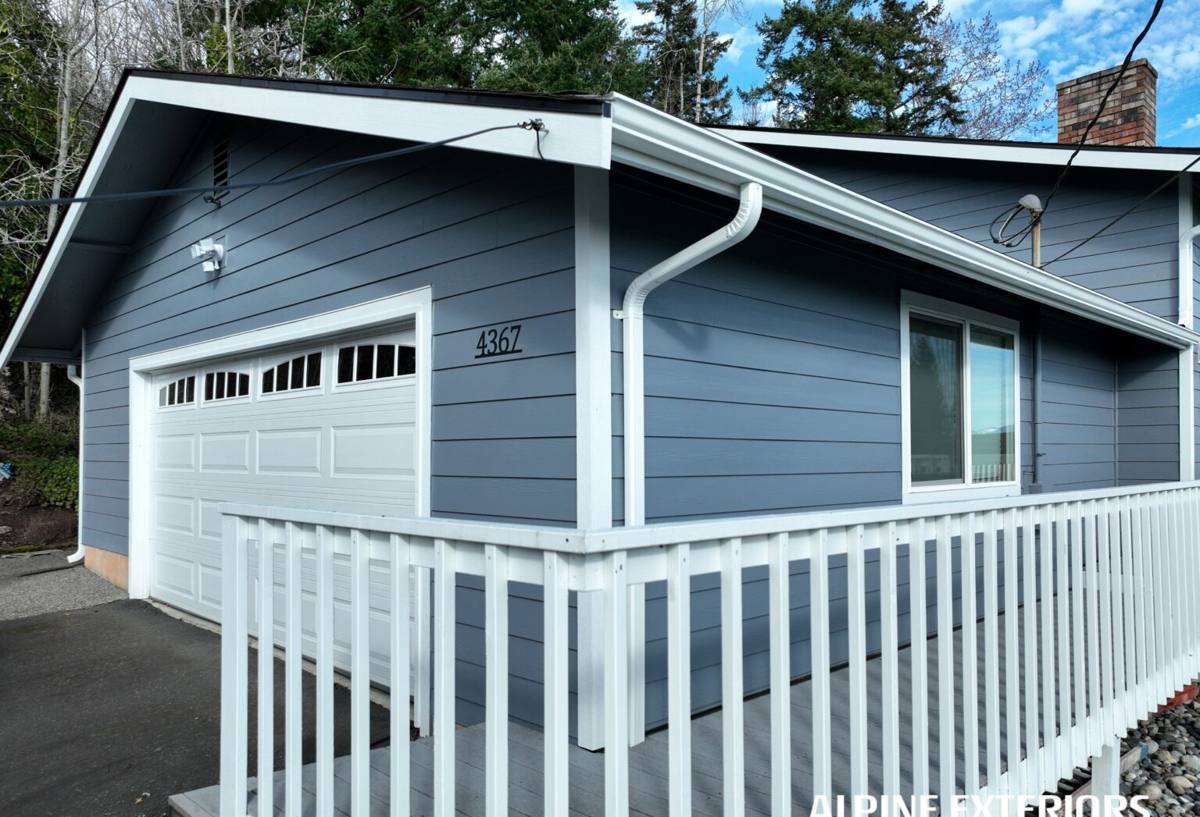
Signs a Roof Is Past the Point of Repair
Roof replacement isn't usually a snap decision — it's the conclusion after a few repairs stop holding, or an inspection turns up damage that's spread past what patching can fix. In coastal Clearwater neighborhoods like Indian Rocks Beach, the timeline is often compressed compared to inland homes because of the combined UV and salt exposure.
- Granules collecting in gutters or at downspout outlets, leaving bare, shiny patches on shingles
- Shingles that are curling, cupping, or cracking, especially on south- and west-facing slopes
- Soft spots or noticeable give when walking the roof, which usually means the decking underneath has taken on moisture
- Rusted or heavily corroded flashing, drip edge, or exposed fasteners
- Staining on interior ceilings that reappears after repairs, suggesting the leak path has moved
- A roof approaching or past 18-20 years old with no major upgrades, particularly if it predates current wind-rated shingle standards
- Visible sagging along the ridge or roof edges
Any one of these on its own might be a repair. Two or three together, especially on a roof already past 15 years, is usually the point where replacement costs less over time than continuing to chase leaks.
Choosing a Roofing System for a Barrier Island Home
There's no single "right" material for Indian Rocks Beach — the right choice depends on the home's structure, the owner's budget, and how long they want to go before thinking about the roof again. What matters is that whatever system goes on is installed with corrosion-resistant fasteners and flashing, and rated for the wind speeds Pinellas County code requires in coastal zones.
| Material | Typical Lifespan | Coastal Considerations |
|---|---|---|
| Architectural asphalt shingles | 18-25 years | Most affordable option; look for high wind-rated products and proper starter/hip-ridge sealing near the coast |
| Standing seam metal | 35-50+ years | Excellent wind performance when properly fastened; requires marine-grade or coated fasteners to resist salt corrosion |
| Tile (concrete or clay) | 40-50+ years | Heavy, needs verified structural capacity and correct underlayment system; individual tiles can crack from impact |
| Flat/low-slope membrane (for additions, porches) | 15-20 years | Common on Florida additions and lanais; seams and edge termination are the most failure-prone spots in wind events |
We walk homeowners through these trade-offs honestly, including maintenance burden and upfront cost, rather than pushing one product. A roof that fits the house and the budget, installed correctly, beats a premium material installed carelessly every time.
Underlayment Matters as Much as the Surface Material
What's underneath the visible roofing is arguably more important on a barrier island home than the surface layer itself. A synthetic or self-adhering underlayment rated for high-wind, high-moisture environments gives the roof a second line of defense if wind-driven rain gets past the primary surface — which, in a coastal storm, it eventually will on any roof. This is one of the areas where cutting corners doesn't show up until the first real storm test.
What a Correct Roof Replacement Actually Involves
A roof replacement is more than swapping old shingles for new ones. Done right, it's a full system rebuild:
- Complete tear-off — removing old roofing down to the deck, never layering new material over old
- Deck inspection and repair — replacing any plywood or OSB that's delaminated, soft, or water-stained before anything new goes down
- Fastening verification — checking deck attachment meets current code, since older homes were often built to lighter fastening standards than Pinellas County now requires
- Underlayment installation — a moisture barrier rated for the exposure the roof will actually see
- Flashing replacement — around chimneys, skylights, walls, and any roof penetration, using corrosion-resistant materials
- Ventilation check — confirming intake and exhaust venting is balanced, since poor attic ventilation shortens shingle life and drives up cooling costs
- Field installation — the visible roofing material, installed to the manufacturer's high-wind specification, not the standard spec
- Final inspection — checking flashing, seals, and fastening before calling the job complete
Every one of those steps matters more in a coastal wind zone than it does further inland. A roof that looks finished from the ground can still have deck issues or under-spec fastening that only shows up when wind actually tests it.
Wind Ratings, Building Codes, and Permits
Pinellas County follows the Florida Building Code, which sets wind-uplift and fastening requirements based on location — and coastal zones like Indian Rocks Beach fall under higher wind-speed design categories than inland parts of the county. That affects everything from nail pattern and shingle wind rating to how flashing and edge metal are attached.
A permitted, code-compliant replacement isn't just a legal formality. It's also what insurance carriers and future buyers will want documentation of. We pull permits, schedule the required inspections, and build to the current wind-rated specification for the area — not the minimum that might have been standard when the home was originally built.
Our Replacement Process, Step by Step
We keep the process straightforward and try to minimize surprises, since a roof replacement disrupts a household for a few days no matter how smoothly it goes.
- On-site inspection and estimate — we look at the current roof, attic, and any interior signs of past leaks before quoting anything
- Written scope and material selection — a clear breakdown of what's being replaced, with material options and honest trade-offs explained
- Permitting — handled before work starts, not as an afterthought
- Property protection — landscaping, pool areas, and driveways covered or protected during tear-off
- Tear-off and deck inspection — with photos of any deck damage found, so homeowners see exactly what's being repaired and why
- Installation — following manufacturer specs for the local wind zone
- Cleanup — magnetic sweep for nails and full debris removal before we consider the job finished
- Final walkthrough — reviewing the completed roof and paperwork, including warranty documentation
What Roof Replacement Typically Costs
Exact pricing depends on roof size, pitch, material choice, and what the deck inspection turns up — we won't quote a number without seeing the roof. But the general cost drivers are consistent across most Indian Rocks Beach homes:
| Cost Factor | Why It Matters |
|---|---|
| Roof size and complexity | More valleys, hips, and penetrations mean more labor and flashing material |
| Material choice | Asphalt shingles cost less upfront than metal or tile, but the lifespan and maintenance differ significantly |
| Deck condition | Rotted or delaminated plywood found during tear-off adds material and labor not visible in the initial estimate |
| Number of stories and access | Steeper pitches and taller homes require more safety equipment and time |
| Ventilation upgrades | Adding or correcting ridge and soffit venting is a smaller cost that pays off in shingle life and energy efficiency |
Broadly, homeowners in this area should expect a wide range from a straightforward asphalt shingle replacement up to a significantly higher figure for standing seam metal or tile — we'll give a firm number once we've actually inspected the roof and deck.
Why Hiring a Crew That Already Works This Area Matters
A contractor who works Indian Rocks Beach and the surrounding Clearwater coastline regularly knows the difference between a roof that just needs to look good and one that needs to hold up against salt air, sustained UV, and the wind-driven rain that comes with Gulf storms. That shows up in small decisions — which fastener grade to use, how tight to run flashing laps, where extra sealant actually earns its keep versus where it's just a Band-Aid.
It also matters for permitting and inspection timing. A crew that regularly pulls permits through Pinellas County and the City of Clearwater knows the local process and doesn't leave a homeowner waiting on paperwork mid-project. And because we're not a crew passing through from out of the area, we're available if a question comes up after the job is done — not just during the installation.
Maintaining a New Roof in a Coastal Environment
A correctly installed roof still benefits from basic upkeep, especially this close to the Gulf. Rinsing off salt residue during routine gutter cleaning, keeping gutters clear so water doesn't back up under the edge, and having the roof looked at after any major storm are simple habits that extend the life of the investment. We're happy to point out what to watch for during the final walkthrough of any replacement we complete.
If your roof is showing its age or you just want an honest opinion on where it stands, we're glad to take a look. Reach out for a free, no-pressure estimate using the form below — we'll walk the roof, explain what we find, and give you a straight answer on what it needs.