 Clearwater Roofing
 Building Decks for a Coastal Pinellas County Address
Belleair Bluffs sits in one of the more exposed pockets of Pinellas County — close enough to the water that salt air is part of daily life, and squarely in the path of the wind, sun, and rain that define a Florida deck's working conditions. A deck here isn't a weekend backyard project scaled up. It's an outdoor structure that has to survive year-round UV exposure, wind-driven rain that finds its way into any gap in the framing, and the kind of salt-laden air that goes to work on unprotected metal the day it's installed. We build decks specifically for that environment, not for a generic national spec sheet.
Most of the deck problems we get called out to inspect or repair in this area didn't start as bad design — they started as decks built to a standard that assumes a milder climate. Fasteners rust from the inside out, ledger boards rot behind siding that was never properly flashed, and decking that looked fine on day one cups or fades within a couple of summers. None of that is inevitable. It's a materials and detailing problem, and it's solvable if the deck is built right the first time.
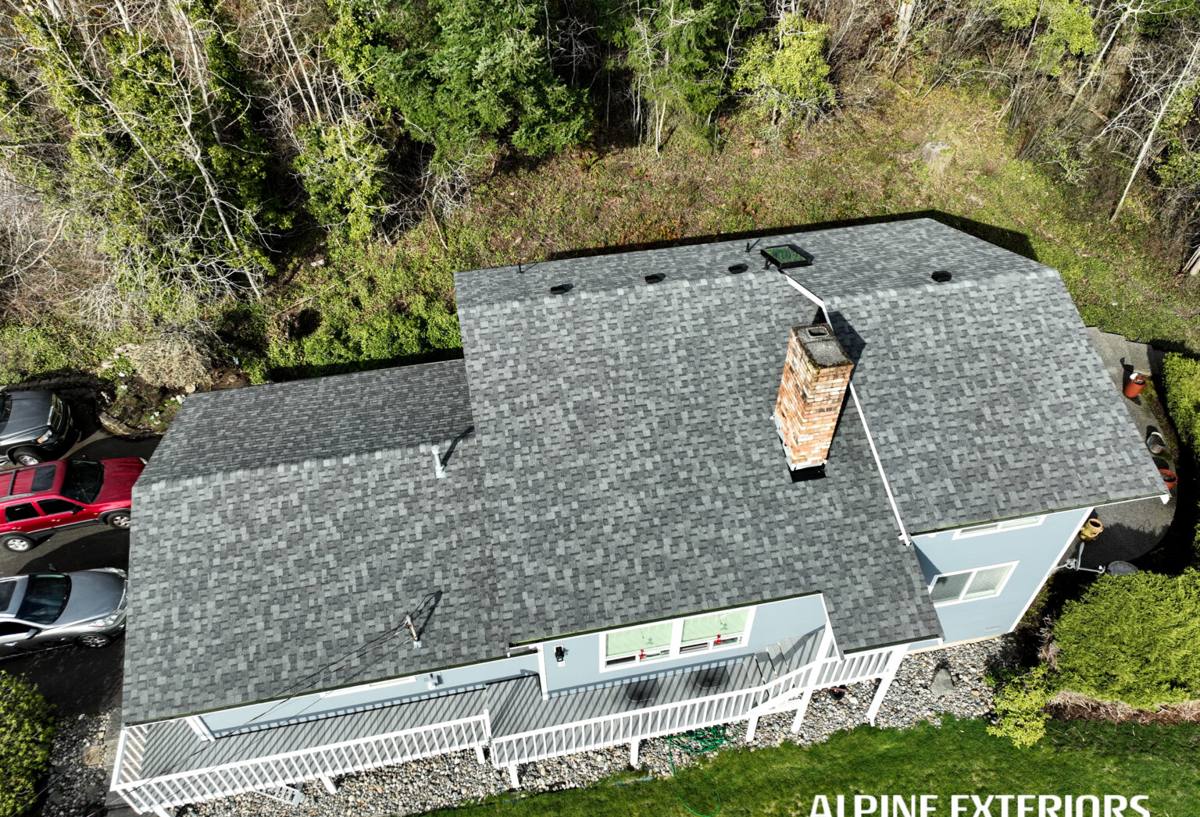
What Local Homes Actually Need From a Deck
A deck in Belleair Bluffs has to do more work than a deck a few hundred miles inland. Four conditions drive nearly every material and construction decision we make:
- Hurricane-force wind exposure — framing, post connections, and railing systems need to hold up under uplift and lateral loads, not just support foot traffic.
- Intense, year-round UV — direct sun for most of the year breaks down unprotected wood fiber, fades finishes, and degrades lower-grade composite decking faster than manufacturers' national marketing suggests.
- Wind-driven rain — storms here rarely fall straight down, which means water gets pushed sideways into ledger connections, stair stringers, and any point where the deck meets the house.
- Salt air — even without direct waterfront exposure, coastal Pinellas County air carries enough salt to accelerate corrosion on standard fasteners, brackets, and hardware.
Any one of these is manageable on its own. All four at once, applied continuously, is why "it worked fine up north" isn't a useful reference point for how a deck should be built here.
Choosing the Right Decking Material
There's no single correct decking material for every homeowner — it depends on budget, how much upkeep you're willing to do, and how the deck will be used. What matters is going in with accurate expectations rather than a sales pitch. Here's how the common options actually perform in this climate:
| Material | Upfront Cost | Maintenance | Climate Behavior |
|---|---|---|---|
| Pressure-treated wood | Lowest | Annual cleaning, re-sealing every 1-2 years | Prone to checking and graying under constant UV; needs consistent sealing to resist moisture and rot |
| Capped composite | Mid to high | Occasional washing, no sealing or staining | Resists moisture and insects well; quality varies a lot by product line, and darker colors run hot underfoot |
| PVC / vinyl decking | Highest | Minimal — periodic washing only | Fully moisture-proof and very stable in heat and sun; higher material cost, less "natural wood" appearance |
| Tropical hardwood | High | Regular oiling to maintain color and resist checking | Naturally dense and rot-resistant, but demands consistent maintenance discipline in this UV load |
We'll walk you through this honestly during the estimate — including where a cheaper composite line may not be worth the savings once you account for how it handles direct Florida sun over a decade of ownership.
A Note on Wood vs. Composite
Wood costs less to install but costs more over time in labor — yours or ours — to keep it sealed and sound. Composite and PVC cost more upfront but largely remove maintenance from the equation. Neither choice is wrong; it's a trade-off between cash now and time later, and we'll size that trade-off to your actual plans for the deck rather than pushing whichever product has the best margin.
Framing and Structural Details That Matter Here
The parts of a deck nobody sees are the parts that determine whether it's still standing correctly in ten years. In this area, we pay particular attention to:
Fasteners and Hardware
Standard galvanized fasteners corrode faster in salt-influenced air than most homeowners expect. We use stainless steel or heavy-coated, corrosion-rated fasteners and structural connectors on every deck we build, especially at joist hangers, post bases, and any hardware exposed to direct weather.
Ledger Board Attachment
The ledger — where the deck attaches to the house — is the single most common failure point on poorly built decks. It has to be properly flashed and fastened to keep wind-driven rain from working its way behind the siding or sheathing, and it has to be engineered to actually carry the load, not just fastened "tight enough."
Posts, Footings, and Wind Resistance
Post footings need to be sized and set to resist both the vertical load of the deck and the lateral and uplift forces that come with hurricane-strength wind. We also detail post-to-beam and beam-to-joist connections with rated hardware rather than relying on fasteners alone to keep the structure together in high wind.
Permitting and Local Code
Deck construction in Belleair Bluffs falls under Pinellas County and local building department review, and most decks of meaningful size require a permit and inspection — this isn't optional paperwork, it's what confirms the framing and connections meet current Florida Building Code wind and load requirements for this area. Skipping permitting on a deck is a common shortcut that shows up later as a problem at resale, when an unpermitted structure can hold up a sale or an insurance claim. We handle the permitting process as part of the job, including the plans and inspections it requires, so you're not managing that separately.
Railings, Stairs, and Safety Details
Railings and stairs are code-regulated for good reason, and they're also where a lot of the deck's visual character comes from. Beyond meeting height and baluster-spacing requirements, we make sure railing posts are anchored into structural framing — not just decking boards — since a railing that isn't tied into the structure is a liability regardless of how it looks. Stair stringers get the same corrosion-resistant hardware treatment as the rest of the frame, since stairs take direct weather exposure on every tread.
How We Approach a Belleair Bluffs Deck Project
Every deck starts with a site visit, not a generic quote. We look at your home's structure, sun exposure, drainage, and how close you are to the water, since that changes the corrosion-resistance level we'll spec into the hardware. From there:
- We discuss how you'll actually use the deck — dining, grilling, lounging, pool access — since that shapes the layout and material recommendation.
- We provide a clear estimate with material options and honest cost-versus-maintenance trade-offs, no pressure toward the highest-margin product.
- We handle design, engineering where required, and permitting with the local building department.
- We build the frame first to spec — footings, posts, beams, joists, and all hardware — before decking ever goes down, since that's the part that determines longevity.
- We install decking, railings, and stairs, then walk the finished deck with you before final inspection sign-off.
Keeping a Deck Sound in This Climate
A well-built deck in Belleair Bluffs still needs some ongoing attention — the climate doesn't let anything coast indefinitely. A simple, realistic upkeep routine goes a long way:
- Rinse off salt residue and debris periodically, especially after storms
- Check and re-seal wood decking on the schedule the finish product actually requires, not "when it looks dry"
- Inspect fastener heads and hardware annually for early signs of corrosion or loosening
- Keep gutters and downspouts clear so runoff isn't dumping extra water onto or under the deck
- Trim back landscaping that's trapping moisture or shade against the framing underneath
- Address any soft or discolored boards immediately rather than waiting for a full section to fail
Why It Matters That We Already Work This Area
A contractor who works Belleair Bluffs and the surrounding Clearwater area regularly already knows the local permitting process, has a working relationship with the building department, and has seen firsthand how decks built to lesser standards fail in this specific climate — not in theory, but on real homes nearby. That local track record shows up in the details: the fastener grade we default to, how we flash a ledger board, and which decking products we're willing to stand behind after watching them perform through actual Florida summers and storm seasons. It's the difference between a deck built to pass inspection and a deck built to still be solid a decade from now.
If you're planning a new deck or replacing one that's showing its age, we're happy to walk your property and put together a straightforward, no-pressure estimate — just fill out the form below and we'll get in touch.