 Clearwater Roofing
 Belleair Bluffs Windows Built for the Pinellas County Coast
Belleair Bluffs sits in a stretch of Pinellas County where homes take a steady beating from the Gulf-side climate: hurricane-force winds during storm season, intense UV exposure nearly every day of the year, wind-driven rain that finds its way into any gap a builder-grade window leaves open, and salt-laden air that quietly corrodes hardware and finishes long before a homeowner notices a problem. Windows here don't just have to look good — they have to hold a seal against wind pressure, resist glass and frame degradation from sun exposure, and keep water out during the kind of sideways rain that Clearwater-area storms regularly produce.
A window that performs fine in a landlocked climate can fail within a few years this close to the water. That's the starting point for any custom window project in this neighborhood: design and install for the conditions that are actually here, not generic conditions.
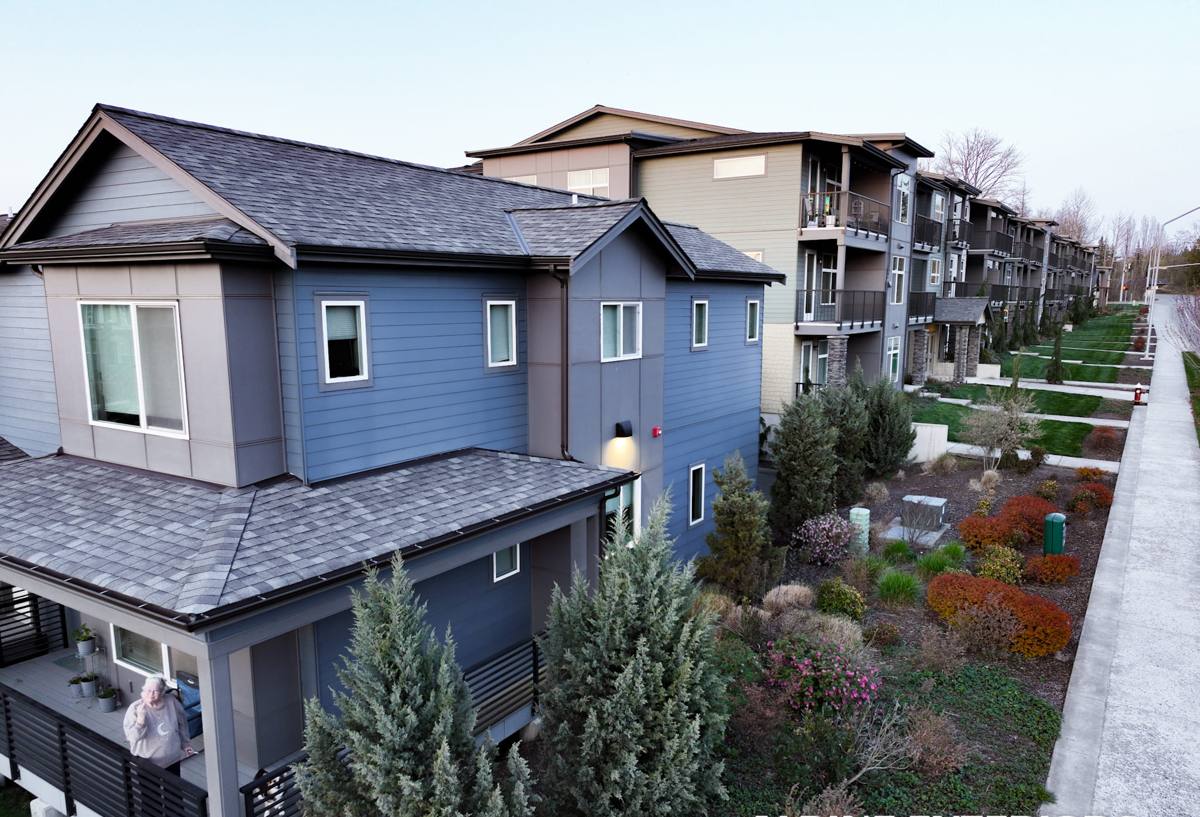
What Makes a Window Job "Custom" in an Older Coastal Neighborhood
"Custom" doesn't mean fancy — it means the window is built and installed to fit the actual opening and actual structure in front of us, rather than forcing a stock size to fit. A lot of homes in and around Belleair Bluffs were built decades ago, before current wind-load codes existed, and openings are often slightly out of square or sized differently than anything you'd find on a big-box shelf.
Non-Standard Openings
Older masonry and block construction common in this part of Florida often has rough openings that don't match modern standard sizes. Forcing an off-the-shelf window into an opening that's an inch too big or too small usually means shimming gaps that should never exist, which becomes the first place water and air intrude.
Matching the Look of the Home
Custom sizing also means we can keep sightlines, grid patterns, and proportions consistent with the rest of the house instead of settling for whatever a standard size allows. That matters more on a full-window replacement project, where mismatched proportions on even one elevation are noticeable from the street.
Frame and Glass Options Worth Considering
There's no single "best" window material — there's a best fit for a given home, budget, and how close it sits to the water. Here's how the common options actually hold up in a Pinellas County coastal environment:
| Frame Material | Salt Air Resistance | Maintenance | Trade-Offs |
|---|---|---|---|
| Vinyl | Good — won't rust or corrode | Low, occasional cleaning | Fewer color/finish choices; can expand slightly in intense heat |
| Aluminum | Fair — depends heavily on finish quality | Moderate — finish should be checked periodically | Slim sightlines, but bare or lower-grade finishes corrode faster near salt air |
| Fiberglass | Very good — dimensionally stable in heat and humidity | Low | Higher upfront material cost |
| Wood or wood-clad | Poor to fair unless the cladding and seals are well maintained | High — paint and sealant upkeep matters more this close to the Gulf | Best traditional look; most maintenance-sensitive option in this climate |
Glass matters as much as the frame. Impact-rated laminated glass is standard for anyone serious about storm protection, and low-E coatings make a real difference in a home that faces year-round Florida sun — they cut down heat gain without darkening the room the way older tinted glass did.
Impact-Rated Glass vs. Shutters and Film
Homeowners often ask whether they actually need impact glass or whether shutters plus standard glass gets the job done. Both are legitimate approaches, and the right one depends on the home and how the owner wants to live with it.
Impact windows stay in place permanently — no deploying panels before a storm, no storage problem for shutters in the off-season, and they provide some UV and sound benefit every single day, not just during a hurricane. The trade-off is a higher upfront cost per opening. Shutters are usually cheaper per window and can be a reasonable option on a tight budget, but they only protect the home when someone actually puts them up in time, and they don't do anything for the window's everyday performance against UV and heat. Applied security film is the lowest-cost option of the three, but it's a compromise product — it can hold glass together on impact but doesn't carry the same pressure and structural rating as a true impact-rated assembly, and it doesn't replace an aging, leaking frame.
We'll walk through this trade-off honestly during an assessment rather than pushing one option — it depends on budget, how exposed the specific elevation is, and whether the existing frames are worth keeping at all.
What a Correct Installation Actually Involves
Most window failures we see in this area aren't a product problem — they're an installation problem. The window itself can be well-built and still leak or fail early if it goes in wrong. A correct installation includes:
- Removing old caulk, damaged flashing, and any rotted or compromised framing material down to sound substrate
- Installing proper flashing and a continuous weather-resistant barrier so water is directed out, not trapped behind the frame
- Shimming the unit square and plumb in the opening, not just wedging it in place
- Fastening according to the manufacturer's tested pattern and spacing, which is what the wind-load rating actually depends on
- Sealing with a compatible, marine-grade sealant rated for sun and salt exposure, not a generic caulk that will crack and shrink within a couple of seasons
- Confirming the unit operates correctly and seals tight before calling the job finished
Skip any one of those steps and the window itself becomes almost irrelevant — the failure point moves to the gap around it.
Our Process, Start to Finish
- On-site assessment. We look at the existing openings, frame condition, and which elevations take the most direct wind and rain exposure.
- Measurement and product selection. Every opening gets measured individually — we don't assume uniformity even on homes that look symmetrical from the outside.
- Permitting and product approval documentation. Window replacement in Florida requires a permit and documentation that the specific product is approved for the wind zone it's being installed in.
- Removal and installation. Old units come out down to the rough opening, framing is inspected and repaired as needed, and the new window goes in following the manufacturer's tested fastening and flashing pattern.
- Final inspection and cleanup. We confirm proper operation and seal, and the job passes required inspection before it's considered complete.
Permits and Wind Requirements in Pinellas County
Coastal Pinellas County falls within Florida's wind-borne debris region under the Florida Building Code, which means replacement windows generally need to carry a wind-load and impact rating appropriate to the site, along with documented product approval. Permits and inspections aren't optional paperwork here — they're what confirms the installation actually meets the standard the code requires, and they matter again later at resale, when a buyer's inspector or insurer asks whether window work was permitted.
We handle the permitting and inspection process as part of the job rather than leaving it to the homeowner to sort out separately.
Signs Your Current Windows Are Already Losing the Battle
Coastal wear on windows is gradual, so it's easy to miss until a storm exposes the problem. Worth checking for:
- Windows that feel noticeably hot to the touch on the inside during summer afternoons
- Fogging or condensation trapped between panes of double-pane glass
- Frames with soft spots, visible swelling, or peeling and bubbling paint
- Whistling, rattling, or noticeable drafts during windy weather
- Windows that are hard to open, close, or lock compared to how they used to operate
- Water staining on the interior wall or sill after wind-driven rain
Any one of these is worth a closer look before it turns into a bigger repair, especially heading into storm season.
Why a Local Belleair Bluffs Crew Matters
Window work in this neighborhood benefits from familiarity with the housing stock, the local permitting process, and how exposed each part of the area is to wind and rain. A crew that regularly works in and around Clearwater and the surrounding Pinellas County coast has a working sense of which construction eras need extra attention at the framing stage and how quickly weather can turn during storm season — which matters when an opening is exposed mid-installation. That local familiarity, paired with a correct, code-compliant installation, is what actually determines how a window performs five or ten years down the road, not just how it looks on day one.
If you're weighing whether it's time to replace aging windows or want a straight answer on impact glass versus other options for a Belleair Bluffs home, we're happy to take a look and put together a free, no-pressure estimate — just fill out the form below.