 Clearwater Roofing
 Why Belleair Bluffs Roofs Wear Differently Than Roofs Inland
Belleair Bluffs sits up on the higher ground overlooking the Intracoastal Waterway, and that elevated, waterfront-adjacent position is a mixed blessing for roofs. The views and drainage are better than in low-lying parts of Pinellas County, but the exposure is worse. Homes here catch more direct wind off the water, more salt-laden air, and more sustained UV than roofs a few miles inland. A roof system that would hold up fine in a sheltered subdivision can wear out early here if it wasn't built with this specific exposure in mind.
When we replace a roof in Belleair Bluffs, we're not just swapping old shingles for new ones. We're accounting for wind uplift on an elevated lot, salt corrosion on every metal component, and UV breakdown that never really lets up in a Florida climate. Get any one of those wrong and you're looking at a callback, a leak, or a roof that needs replacing again well before its rated lifespan.
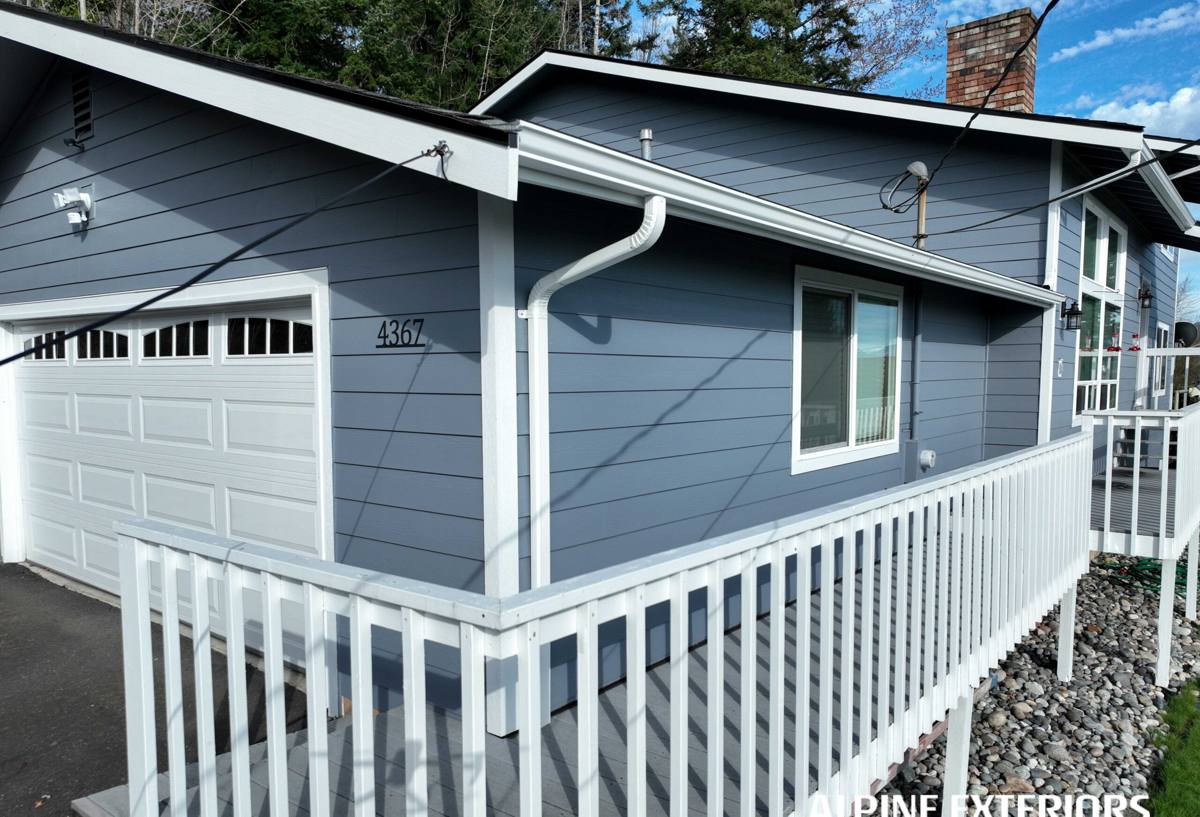
What This Coastal, Elevated Exposure Actually Does to a Roof
Wind
Belleair Bluffs homes on higher, more open lots near the water take wind loads that inland roofs simply don't see as often. During hurricane season, gusts that would just rattle shutters elsewhere can find weak points at ridge caps, eave edges, and flashing that wasn't properly fastened. Wind doesn't need a full-blown storm to do damage — repeated moderate gusts over years loosen shingles and fasteners gradually, long before anyone notices a problem.
Salt Air
Proximity to the Intracoastal means airborne salt settles on roofing materials, flashing, vents, and fasteners year-round. Salt accelerates corrosion on anything metal — nail heads, drip edge, pipe boots, valley flashing — and that corrosion is often the real cause of a leak, not the shingles themselves. A roof can look fine from the ground while its metal components are quietly failing underneath.
UV and Heat
Florida sun is intense nearly every day of the year, and a roof facing open water often gets even less shade than one tucked under mature trees inland. UV breaks down asphalt shingle oils and can make lesser underlayment brittle over time, which shows up as granule loss, curling, and cracking well before a shingle's rated service life is up.
Wind-Driven Rain
It's rarely straight-down rain that causes leaks here — it's rain pushed sideways by wind, forced up under shingle edges, through vent penetrations, and into any gap in flashing. A roof that sheds rain fine in calm weather can still leak badly in a wind-driven storm if the underlayment and flashing details weren't done correctly.
Signs a Belleair Bluffs Roof Needs Replacing, Not Just Repairing
- Granules collecting in gutters or at downspout outlets — a sign the shingle surface is wearing thin
- Shingles that are curling, cupping, or cracking, especially on the sun- and wind-facing sides of the roof
- Soft spots or sagging when walked on, which often points to deck damage underneath
- Rust streaking below metal flashing, vents, or fasteners — a salt-air corrosion tell
- Recurring leaks in the same spot even after past repairs
- Roof is approaching or past 15–20 years old (asphalt shingle) with visible wear
- Daylight visible through the roof deck from the attic, or damp/discolored decking
- Missing or lifted shingles after any storm, even a minor one
If your roof only shows one or two of these and is otherwise sound, a repair may genuinely be the right call — we'll tell you that honestly. Replacement makes sense when the underlying materials (deck, underlayment, flashing) are compromised across a wide enough area that patching would just be delaying the inevitable, or when the roof is old enough that continuing to repair it no longer makes financial sense.
Materials That Actually Hold Up in This Exposure
Every roofing material has trade-offs. What matters for a Belleair Bluffs home is picking one that matches the salt, wind, and UV load it will actually see, and installing it correctly.
| Material | Wind Performance | Salt-Air Durability | Typical Lifespan |
|---|---|---|---|
| Architectural Asphalt Shingle | Good, with high-wind-rated products and proper nailing | Good; use corrosion-resistant fasteners and flashing | 18–25 years in this climate |
| Standing Seam Metal | Excellent; among the best for uplift resistance | Very good with coastal-grade coatings and stainless fasteners | 30–50 years |
| Concrete Tile | Excellent when properly fastened/foam-set | Good, though underlayment life often governs | 30+ years (tile), underlayment 15–20 |
| 3-Tab Asphalt Shingle | Lower wind rating; not our standard recommendation here | Fair | 15–18 years |
We install architectural asphalt shingle, standing seam metal, and tile depending on the home, the budget, and the homeowner's priorities. What we won't do is put a lower-wind-rated product on an exposed Belleair Bluffs roof and call it good enough — the labor is the same either way, so cutting the material corner only costs the homeowner later.
What a Correct Roof Replacement Involves
Deck Inspection and Repair
Once the old roofing is stripped, we inspect the deck for rot, delamination, or fastener pull-through before anything new goes down. Any compromised decking gets replaced — installing new roofing over a bad deck just hides the problem and voids the new roof's real performance.
Underlayment
We use synthetic or self-adhering underlayment rated for this climate, with special attention to sealing every seam and penetration. This layer is the actual waterproofing backbone of the roof — the shingles or tile on top are the first line of defense, but the underlayment is what keeps wind-driven rain out if that first line is ever breached.
Flashing and Fasteners
Given the salt exposure here, we use corrosion-resistant flashing and fasteners at valleys, chimneys, walls, and pipe penetrations rather than standard-grade hardware that will rust prematurely this close to the water.
Wind-Rated Fastening
Nailing pattern and fastener count are set to meet Florida Building Code wind requirements for this exposure — not the minimum, but what the products are actually rated for when installed correctly.
Ventilation
Proper intake and exhaust ventilation keeps attic temperatures and moisture in check, which protects the underside of the new roof deck and helps the shingles perform closer to their rated lifespan in Florida heat.
Our Roof Replacement Process
- On-site inspection and estimate — we assess the existing roof, deck condition, and any problem areas, and walk you through honest options and pricing.
- Material selection — we go over the trade-offs between shingle, metal, and tile for your specific home and budget.
- Permitting — we handle the permit through the appropriate local building department before work starts.
- Tear-off and deck inspection — old roofing is removed and the deck is checked and repaired as needed.
- Underlayment and flashing installation — the waterproofing layer goes down first, sealed and detailed at every penetration.
- Roofing installation — shingles, metal, or tile installed to wind-rated specification.
- Final inspection and cleanup — we walk the job with you, arrange the required inspection, and do a thorough site cleanup including a magnetic sweep for stray nails.
Permits, Codes, and Local Requirements
Roof replacements in Belleair Bluffs and the surrounding Pinellas County area require a permit and must meet Florida Building Code wind and installation standards, which are stricter than in many other parts of the country given the hurricane exposure. We pull the permit, schedule the required inspections, and make sure the finished work will actually pass — that's part of the job, not an upsell. If your property is in a deed-restricted community or has an HOA with roofing material or color requirements, let us know up front and we'll work within those guidelines.
What to Ask Before Hiring a Roofing Contractor Here
- Are you licensed and insured to do roofing work in Florida, and can you provide proof?
- Will you pull the permit yourselves, and who schedules the inspections?
- What underlayment and fastener materials do you use, and are they rated for coastal salt exposure?
- Do you have experience working specifically in Belleair Bluffs or comparable coastal Pinellas County neighborhoods?
- What does your workmanship warranty cover, separate from the manufacturer's material warranty?
- Will you put the material, scope of work, and price in writing before starting?
Any contractor who hesitates on these questions, or pushes you toward the cheapest material without discussing the trade-offs for your specific exposure, is worth a second look before you sign anything.
Cost Factors for a Belleair Bluffs Roof Replacement
| Factor | Why It Affects Price |
|---|---|
| Roof size and pitch | More square footage and steeper slopes mean more material and labor time |
| Material choice | Asphalt shingle, metal, and tile carry different material and installation costs |
| Deck condition | Rotted or damaged decking found during tear-off adds repair cost |
| Number of penetrations | Chimneys, skylights, and multiple vents each require additional flashing work |
| Access and layout | Multi-story sections or tight lot access can add labor time |
| Wind-rated upgrades | Higher wind-rated products and hardware cost more upfront but reduce long-term risk |
We won't quote a number without seeing the actual roof — anyone who does is guessing. What we can tell you honestly is that the cheapest bid is rarely the best long-term value on a home this exposed to wind and salt air; the material and fastening choices that hold up here cost a bit more upfront and save real money in avoided repairs and premature replacement.
Why Local Experience in Belleair Bluffs Matters
A roofing crew that regularly works this stretch of coastal Pinellas County already knows what this exposure does to a roof over time, which permitting office to work with, and which material and fastening choices are worth the extra cost versus which ones are marketing. That local familiarity shows up in fewer surprises during the job and a roof that's actually built for the conditions it will face, not a generic install dropped onto a coastal lot.
If your roof in Belleair Bluffs is showing its age or you're planning ahead rather than waiting for a leak, we're happy to take a look. Reach out for a free, no-pressure estimate using the form below.