 Clearwater Roofing
 Deck Replacement in Largo, Florida
A deck in Largo works harder than a deck almost anywhere else in the country. It sits under intense sun for most of the year, takes wind-driven rain off Tampa Bay and the Gulf, and lives with a steady dose of salt air that finds its way into every seam, screw hole, and joint. When a deck starts to fail here, it's rarely one dramatic problem — it's years of small ones compounding until the structure just isn't safe to stand on anymore. If you're weighing a repair against a full replacement, or you already know the deck is past saving, this page covers what a correct deck replacement looks like for a Largo home and how we handle the job from first look to final walkthrough.
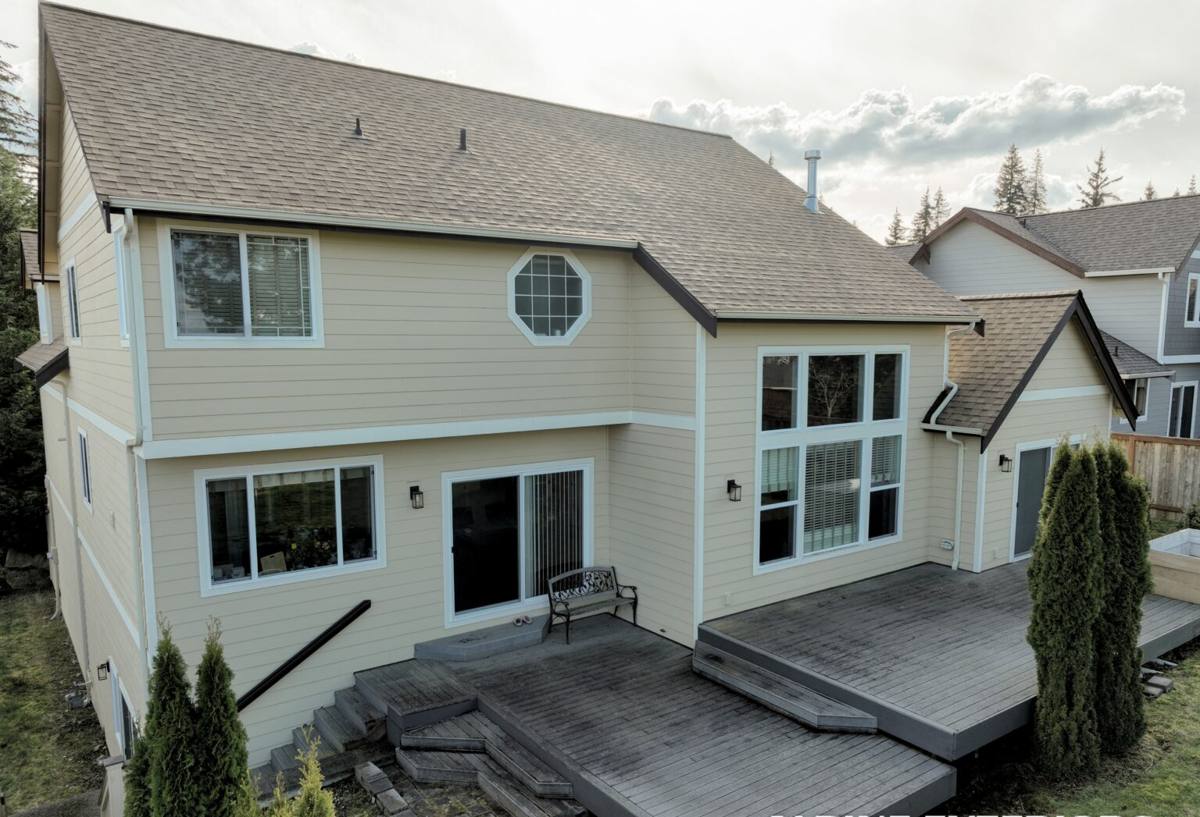
Why Largo Decks Wear Out Faster Than the National Average
Largo sits inland enough to avoid direct beachfront exposure, but it's close enough to the Gulf and Tampa Bay that salt-laden air still reaches most neighborhoods, especially on breezy days. Combine that with Pinellas County's humidity, near-daily summer UV load, and the wind and rain that come with tropical systems and seasonal storms, and you get a set of conditions that attacks wood and hardware from multiple directions at once.
What's Actually Damaging the Deck
- UV exposure: constant sun breaks down wood fibers and degrades finishes, leaving boards dry, gray, and prone to splintering and cupping.
- Moisture cycling: afternoon storms soak the deck, then intense heat dries it out fast — that repeated swelling and shrinking loosens fasteners and opens up cracks.
- Salt air corrosion: even a few miles from the water, airborne salt accelerates rust on nails, screws, brackets, and joist hangers, often from the inside out where you can't see it.
- Wind-driven rain: pushes water sideways and up under boards and ledger connections, areas that were never designed to shed water from that angle.
- Ground contact and drainage: Florida's flat lots and high water table mean posts and footings often sit in damp soil longer after a storm than they would elsewhere, which speeds up rot at the base.
None of this means a deck can't last in Largo — it means it has to be built and fastened correctly for these conditions, not just built to a generic national spec.
Signs a Largo Deck Needs Replacing, Not Repairing
Not every problem deck needs to come down. But there's a point where patching individual boards is just delaying an inevitable, more expensive failure. We look for a combination of these signs before recommending full replacement over repair:
- Soft, spongy, or spring boards in multiple areas, not just one or two spots
- Visible rot or rust at the ledger board where the deck attaches to the house
- Loose or wobbling railings and posts that don't tighten back up
- Rust staining bleeding out around fastener heads across the deck surface
- Gaps opening between boards that weren't there when the deck was newer
- Any structural movement you can feel when walking or standing near the edge
If the framing and ledger connection are still sound and it's mainly the decking surface that's worn, a resurfacing or targeted repair can make sense. Once the structure itself is compromised, replacement is the honest answer — patching a failing frame just moves the risk forward a year or two.
What a Correct Deck Replacement Involves
A deck replacement isn't just pulling up old boards and screwing down new ones. Done right, it's a rebuild of the entire system, and every layer matters for how long it holds up in Pinellas County weather.
Structural Framing First
The ledger board attachment to the house, the posts, beams, and joists all get evaluated and, where needed, replaced with pressure-treated lumber rated for ground contact and coastal exposure. Proper flashing at the ledger board is non-negotiable here — this is the single most common point of hidden water damage on Florida decks, because it's where the deck meets the house and where wind-driven rain gets pushed hardest.
Fasteners and Hardware
Standard fasteners corrode fast in salt air. We use stainless steel or hot-dip galvanized hardware rated for coastal and treated-lumber use, along with corrosion-resistant joist hangers and structural connectors. This is one of the areas where cutting corners doesn't show up as a problem for a year or two — then it shows up all at once.
Decking Material Choice
This is the decision homeowners spend the most time on, and it should be based on honest trade-offs, not marketing.
| Material | Sun/UV Behavior | Maintenance | Typical Lifespan Here |
|---|---|---|---|
| Pressure-treated wood | Fades and grays without regular sealing; needs UV protection | Annual cleaning and re-sealing recommended | 10–15 years with upkeep |
| Composite decking | Stable color and low fade with quality products; check manufacturer heat ratings | Low — periodic cleaning, no sealing | 20–25+ years |
| Tropical hardwoods | Naturally dense and durable but can still gray without oiling | Moderate — periodic oiling to maintain color | 20+ years if maintained |
We're upfront when a product isn't a good fit for this climate rather than steering every job toward the highest-margin option. Some composite lines, for example, aren't rated for the surface temperatures a full-sun Largo deck reaches in July, and some lower-grade treated lumber isn't dense enough to hold fasteners well long-term in a wet-dry cycle. We'll walk through what fits your budget, sun exposure, and how much upkeep you actually want to do.
Drainage and Ventilation: The Part Homeowners Don't See
A deck that looks great on top can still fail underneath if airflow and drainage weren't planned into the build. In a high-humidity, high-rainfall area like Pinellas County, trapped moisture under the deck is what turns a 20-year structure into a 10-year structure.
- Board spacing set to allow water to drain through rather than pool on the surface
- Joist framing spaced and oriented to let air move underneath, not just around the perimeter
- Grading and drainage at ground level checked so water doesn't collect under the deck after storms
- Ledger flashing detailed so water sheds away from the house, not into the band joist
Our Deck Replacement Process
1. On-Site Assessment
We inspect the existing deck's framing, ledger connection, posts, and footings to confirm replacement is the right call and to identify anything hidden — rot behind fascia, corroded hardware, undersized framing from an older build.
2. Plan and Proposal
You get a clear scope of work: what's being removed, what's being rebuilt, material options with honest pros and cons for your specific sun exposure and budget, and a straightforward cost breakdown. No vague allowances.
3. Permitting
Deck replacements in Largo and unincorporated Pinellas County typically require a permit, especially for structural work. We handle that process so the finished deck is inspected and code-compliant — which also matters for insurance and resale down the road.
4. Demo and Rebuild
Old decking, framing, and hardware are removed down to sound structure or bare ground as needed. New framing goes in with corrosion-resistant fasteners, proper ledger flashing, and correct spacing for drainage and airflow before decking, railings, and stairs are installed.
5. Final Walkthrough
We walk the finished deck with you, check railings and stairs for solid attachment, and go over any maintenance recommendations specific to the material you chose.
Cost Factors for a Largo Deck Replacement
Pricing depends on more than square footage. The factors that move the number most are:
- Deck size and height — taller decks need more substantial framing and railings
- Decking material — pressure-treated, composite, and hardwood span a wide price range
- Structural condition — how much of the existing framing, posts, and footings can be reused versus replaced
- Stairs and railings — additional linear footage and code-required railing heights add cost
- Permit and inspection requirements — structural changes typically require permitting, which factors into timeline and cost
- Access — decks with tight side-yard access or second-story height take longer to demo and rebuild
We give straightforward, itemized estimates rather than a single lump number, so you can see exactly what's driving the cost.
Why Hire a Crew That Already Works in Largo
A crew that works Largo regularly already knows what the local building department expects for permitting, what ledger and flashing details actually hold up against wind-driven rain in this area, and which hardware and material choices are worth the extra cost versus which ones are marketing. That familiarity shows up in fewer surprises during the project and a deck that's actually built for the conditions it'll sit in, not a generic spec pulled from a national guide. We're a Clearwater-based roofing and exteriors company, and deck work gets the same standard we hold ourselves to on every roof: correct flashing, corrosion-resistant fasteners, and a build that accounts for Pinellas County's sun, storms, and salt air — not just a build that meets minimum code.
If your deck is showing its age or didn't survive the last round of storms in good shape, we're happy to take a look and give you an honest read on repair versus replacement. Fill out the form below for a free, no-pressure estimate.