 Clearwater Roofing
 Fiber Cement Siding Built for Indian Rocks Beach's Coastal Exposure
Indian Rocks Beach sits about as close to the Gulf as a Pinellas County home can get, and that proximity shapes everything about how siding should be chosen and installed there. Homes in this stretch of the barrier island corridor take a harder combined hit than most inland Clearwater neighborhoods: salt-laden air moving off the water almost every day, wind-driven rain that gets pushed sideways into wall assemblies during storms, and UV exposure that runs at near-peak intensity most of the year. Add hurricane-season wind loads and you have a climate that will find every weakness in a siding system within a few seasons, not a few decades.
This page is about one job, done right, in one area: fiber cement siding installation and replacement for Indian Rocks Beach homes. We're a Clearwater-based crew that already works this part of Pinellas County regularly, and the specifics below reflect what that experience has taught us about doing this job correctly here.
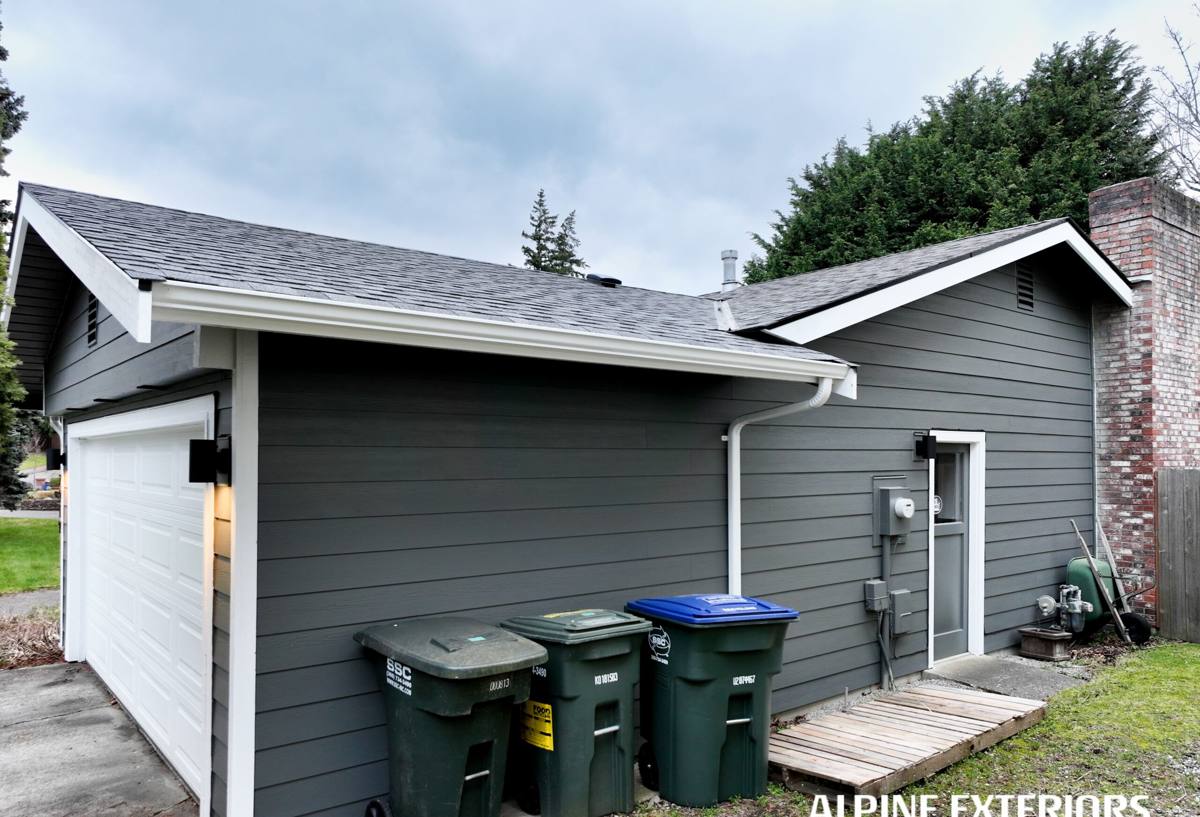
What Salt Air and Coastal Wind Actually Do to a Wall System
It helps to understand the failure modes before talking about the fix. Coastal exposure doesn't damage siding in one dramatic event — it's cumulative, and it attacks a few specific things:
- Salt deposition: Airborne salt settles on siding and trim and, combined with humidity, accelerates corrosion of any exposed metal fasteners, flashing, or hardware that isn't rated for coastal use.
- Wind-driven rain intrusion: Storms here don't just fall — they push water horizontally into laps, seams, and penetrations. Any gap in flashing or caulking becomes an entry point.
- UV degradation: Constant sun exposure breaks down paint films, caulking, and lower-grade composite materials faster than in shadier or more northern climates.
- Humidity cycling: Materials that absorb moisture swell during humid stretches and shrink when they dry, and repeated cycling stresses joints, fasteners, and finishes over time.
A siding product and installation method that isn't specifically suited to this combination will show problems — cracking, staining, fastener corrosion, paint failure, or moisture intrusion — years before it should.
Why We Install Only James Hardie Fiber Cement
We standardized on James Hardie fiber cement siding for every home we side, including in Indian Rocks Beach, and we don't install vinyl, LP SmartSide, or other composite or wood-based alternatives. That's not a marketing position — it's a decision based on what holds up under exactly the conditions described above.
Fiber cement is made from cement, sand, and cellulose fibers, which makes it non-combustible and dimensionally stable. It doesn't absorb and release moisture the way engineered wood products do, so it isn't subject to the same swelling, delamination risk at cut edges, or fungal decay pathways that come with wood-based siding in a humid coastal climate. Hardie's ColorPlus factory-applied finish is baked on and warranted specifically against fading and chipping, which matters directly here — a painted finish exposed to Gulf-level UV year-round needs a real UV-resistant coating system, not a standard field-applied paint job that will need repainting on a much shorter cycle.
Hardie also engineers regional product lines (its HZ5 formulation, for example, is built for climates like ours) specifically to perform in higher-moisture, higher-humidity conditions. We're not guessing about suitability — we're installing a product line designed for this exposure category.
What We Don't Install, and Why It Matters Here Specifically
| Material | Coastal Trade-Off in Pinellas County Conditions |
|---|---|
| Vinyl siding | Can warp or deform under sustained heat and high wind pressure; seams and panels are more vulnerable in hurricane-force gusts |
| LP SmartSide / engineered wood | Wood-strand core is more sensitive to sustained moisture and cut-edge exposure; requires diligent caulk and paint maintenance in humid, salt-air conditions |
| Primed spruce / cedar | Natural wood movement and moisture absorption are harder to control in high-humidity, high-salt environments; shorter maintenance cycle |
| Cemplank / Allura (competing fiber cement) | May be a reasonable fiber cement product, but we've built our installation training, flashing details, and warranty process around Hardie specifically and don't mix systems |
What a Correct Fiber Cement Install Looks Like on a Coastal Home
Fiber cement siding is only as good as its installation. In Indian Rocks Beach, where wind-driven rain and salt exposure are constant variables, a handful of details separate a job that lasts decades from one that fails early:
Fasteners and Hardware
We use corrosion-resistant fasteners rated for coastal exposure. Standard fasteners that aren't galvanized or stainless can corrode and streak within a few years this close to the Gulf, and a corroding fastener eventually loses its holding strength — a real problem in a hurricane-wind environment.
Flashing and Water Management
Every window, door, and penetration needs flashing detailed to shed wind-driven rain, not just vertical rainfall. Proper weather-resistant barrier installation behind the siding, correct lap sequencing, and sealed penetrations are what actually keep water out — the siding itself is only the outer layer of a larger water-management system.
Manufacturer Installation Specifications
James Hardie's warranty is tied to installation according to their published specifications — proper clearances from grade and roofing, correct fastener spacing and placement, and specified gaps at butt joints. Installing outside spec doesn't just risk performance, it can void the warranty, which defeats the purpose of choosing a premium product in the first place.
Caulking and Joint Treatment
Under near-constant UV and salt exposure, joint sealants need to be a quality product applied correctly at every seam and transition, not just at obvious gaps.
Our Process for Indian Rocks Beach Homeowners
- Free on-site assessment: We look at your home's current siding condition, exposure direction, and any moisture or damage issues before recommending a scope of work.
- Product and color selection: We walk through Hardie's plank profiles, textures, and ColorPlus finish options suited to the home and neighborhood.
- Written scope and timeline: You get a clear, itemized plan before any work starts — no verbal-only agreements.
- Tear-off and substrate check: We remove old siding and inspect the wall sheathing for hidden moisture damage, which is common on older coastal homes, before covering it up again.
- Weather barrier and flashing installation: This step is where most long-term failures actually originate, so we don't rush it.
- Hardie siding installation to manufacturer spec: Correct fasteners, spacing, clearances, and joint treatment throughout.
- Final walkthrough: We review the completed work with you and confirm everything matches the agreed scope.
Why Hiring a Crew That Already Works Indian Rocks Beach Matters
Siding installation isn't identical everywhere in Clearwater and Pinellas County. A crew that mostly works further inland may not default to coastal-rated fasteners, may not think through wind-driven rain flashing details the same way, and may not have a feel for how quickly salt exposure shows up on lower-quality materials or workmanship in this specific corridor. Working Indian Rocks Beach regularly means we're not learning coastal detailing on your house — it's already built into how we bid, sequence, and execute the job.
It also means we understand the practical side of working on the island: property access, HOA or neighborhood expectations where they apply, and the realities of scheduling around Gulf-side weather windows during storm season.
Signs Your Indian Rocks Beach Home May Need Siding Attention
- Visible cracking, warping, or buckling in panels, especially on Gulf-facing walls
- Soft spots or discoloration near window and door trim, which often indicate moisture intrusion behind the siding
- Chalky or heavily faded paint that no longer sheds water well
- Rust streaking from fasteners or hardware
- Visible gaps, loose panels, or missing caulk at seams and penetrations
- A noticeable increase in interior humidity or musty odor near exterior walls
Any of these are worth a professional look before the next storm season, not after damage has already spread to the sheathing underneath.
What Influences the Cost of a Coastal Siding Job
| Factor | Why It Affects Price |
|---|---|
| Home size and wall complexity | More square footage and more corners, gables, or architectural detail mean more material and labor |
| Current siding removal | Tear-off of old vinyl, wood, or damaged fiber cement adds labor and disposal cost |
| Substrate repair | Rotted or moisture-damaged sheathing found during tear-off needs to be addressed before new siding goes on |
| Product line and profile | Hardie offers multiple plank styles, textures, and trim options at different price points |
| Flashing and detail work | Homes with many windows, doors, and penetrations require more flashing labor to do correctly |
We don't publish blanket per-square-foot pricing because these variables genuinely change the number — an accurate figure only comes from seeing the home in person.
If your Indian Rocks Beach home is due for new siding or you're seeing early signs of coastal wear, we're happy to take a look and walk you through what we'd recommend. Fill out the form below for a free, no-pressure estimate from a Clearwater crew that already knows this stretch of Pinellas County.