 Clearwater Roofing
 Building New in Belleair Bluffs? The Windows Have to Be Right the First Time
Belleair Bluffs is a small city, but it sits in one of the more demanding places in Pinellas County to build. It's close to Clearwater Harbor and the Intracoastal Waterway, which means salt-laden air, direct sun for most of the year, and full exposure to whatever a tropical system sends up the Gulf. When you're framing a new home or a major addition here, the windows aren't a cosmetic decision you make at the end of the project. They're a structural component that has to be engineered, ordered, and installed correctly the first time — because once stucco, siding, or interior finish goes on around them, fixing a bad install means tearing into finished work.
This page covers new-construction window installation specifically — meaning windows going into a new opening in new framing, not a retrofit into an existing wall. That distinction matters more than most homeowners realize, and it changes almost everything about how the job gets done.
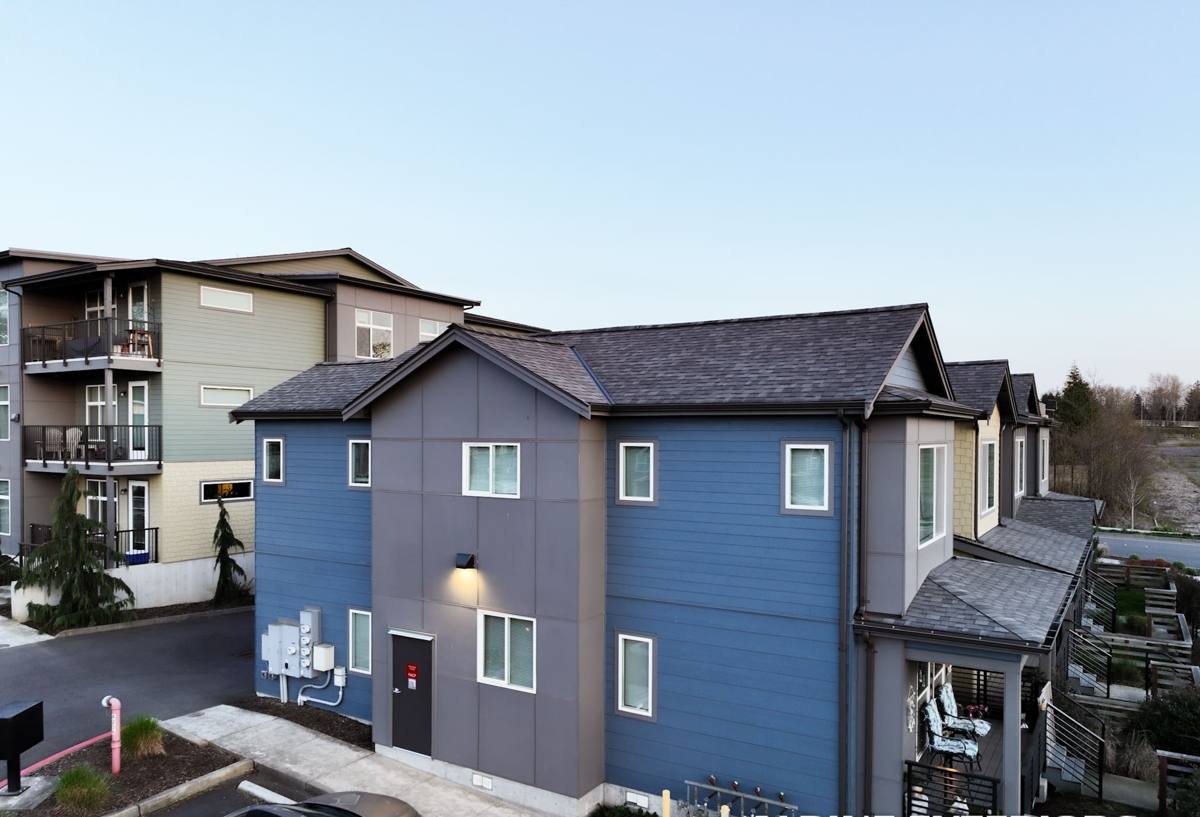
New Construction vs. Replacement: Not the Same Job
A replacement window gets inserted into an existing, already-flashed rough opening, usually with a retrofit or "block" frame that covers the old frame. New-construction windows are different: they have a nailing fin (or, on masonry homes, get set directly into a block or CMU opening) and the water management — flashing, sill pans, weather-resistive barrier integration — has to be built around the window from scratch as part of the wall assembly.
That gives us more control, but it also means there's no forgiveness. If the sill pan isn't sloped right, if the flashing isn't lapped in the correct order with the house wrap, or if the window isn't shimmed to stay square under wind load, the problem won't show up on day one. It shows up two or three rainy seasons later as a stain on drywall, a soft spot in the sill, or a leak the homeowner can't source because it's happening behind finished walls.
Why This Gets Attention in Belleair Bluffs Specifically
Homes here take wind-driven rain from more directions than an inland property does, and the humidity and salt air accelerate corrosion on hardware and fasteners that aren't rated for coastal exposure. A window install that would be fine forty miles inland can underperform here if the flashing detail, sealant choice, or fastener spec isn't matched to the environment.
What Florida Building Code Requires for New Windows Here
Pinellas County sits within Florida's wind-borne debris region, which means new windows installed here have to meet specific wind-load and impact criteria under the Florida Building Code — this isn't optional or a matter of preference. A few of the basics that shape every new-construction window order:
- Design Pressure (DP) rating — every window is rated for how much positive and negative wind pressure it can withstand. The rating required depends on the home's location, height, roof shape, and exposure category, which is why window specs for a new build should come from an engineer or the window's own product approval, not a generic catalog number.
- Wind-borne debris protection — openings need to either use impact-rated glass or be paired with code-approved shutters or panels that can be deployed before a storm. New construction gives you the chance to build in impact glass from the start rather than adding protection later.
- Florida product approval — every window installed has to carry a current Florida product approval number matching how it's actually being installed (frame type, anchoring, mullion configuration). This gets checked at inspection, so a window that's correct on paper but installed differently than its approval describes can fail.
- Egress requirements — bedroom windows need to meet minimum clear opening width, height, and area for emergency escape, which affects what sizes and operating styles (casement vs. single-hung, for example) are usable in certain rooms.
None of this is unique to us — it's what any legitimate window install in this part of Florida has to meet. The difference between contractors shows up in whether the paperwork, the physical install, and the inspection actually match.
Frame and Glass Options for a New Build
New construction is the best time to choose the right window system, because you're not constrained by an existing frame size or finish. The main tradeoffs:
| Frame Material | Coastal Performance | Maintenance | Typical Use |
|---|---|---|---|
| Vinyl | Good — won't corrode or rust; UV-stable formulations hold up in Florida sun | Low; no painting, occasional cleaning | Most common choice for new residential construction |
| Aluminum | Strong under wind load; needs a marine-grade or coated finish near salt air to resist corrosion | Moderate; finish can chalk or pit over time without a protective coating | Larger openings, sliding glass doors, contemporary designs |
| Fiberglass | Very good — dimensionally stable, resists warping and corrosion | Low | Higher-end builds where long-term stability is a priority |
On the glass side, most new-construction windows near the coast use laminated impact glass — two panes bonded around an interlayer that keeps the glass intact even when it cracks. Combined with Low-E coatings, it also cuts down on the heat gain that drives up cooling costs for a home that's exposed to sun most of the day. Impact glass isn't the cheapest option, and it's a legitimate choice to pair non-impact windows with code-approved shutters instead — the tradeoff is convenience (impact glass needs nothing done before a storm) versus upfront cost. We'll walk through both honestly based on your budget and the home's exposure, rather than pushing one option.
How We Actually Flash and Set a New-Construction Window
The install sequence is where most long-term water problems either get prevented or get built in. Our process on a new opening:
- Rough opening check — verify the opening is square, plumb, and sized correctly for the specified window before it ever arrives on site.
- Sill pan installation — a sloped, flexible sill pan is set first so any water that gets past the window has a path back outside instead of into the wall cavity.
- Flashing integration — flashing tape is lapped with the weather-resistive barrier in the correct shingle-style order (bottom, sides, then head) so water is always directed down and out, never trapped behind a lap.
- Setting and anchoring — the window is shimmed level and plumb, then fastened per its Florida product approval and DP rating — spacing and fastener type aren't guesswork, they're specified.
- Sealing — backer rod and a compatible sealant close the perimeter without trapping moisture behind it.
- Interior and exterior finish tie-in — trim, stucco stop, or siding is coordinated so the finish laps correctly over the flashing rather than covering a seam that should stay exposed to drain.
Every one of those steps has a wrong way to do it that looks fine on install day and fails quietly later. That's the real argument for hiring a crew with coastal new-construction experience specifically, not just general window experience.
Our Process, Start to Finish
New-construction window work almost always happens inside a bigger build timeline, coordinated with a general contractor or builder. Here's how we typically fit into that:
- Plan review and takeoff — we work from architectural plans or field-verify rough openings to build an accurate window schedule, including DP ratings and egress requirements for each opening.
- Product selection — we go over frame material, glass package, and protection method (impact glass vs. shutters) against your budget and the home's exposure.
- Ordering and lead time — impact-rated windows are manufactured to order; we build lead times into the schedule so windows arrive when framing is ready for them, not before or after.
- Pre-install walkthrough — we confirm every opening against the schedule before a single window is set, catching framing discrepancies while they're still cheap to fix.
- Installation — flashing, setting, and sealing per the sequence above, with photos of the flashing details before they're covered by finish material.
- Inspection support — we make sure product approval labels stay intact and accessible for the building inspector, and we're available if the inspector has questions about the install.
What This Costs, and What Actually Drives the Price
New-construction window pricing depends on more than window count. The honest cost drivers, in rough order of impact:
| Factor | Why It Matters |
|---|---|
| Impact glass vs. shutter protection | Impact-rated windows cost more upfront but eliminate the labor and material cost of separate shutters or panels |
| Window size and count | Larger openings and higher window counts increase both material and labor cost directly |
| Frame material | Vinyl is typically the most economical; fiberglass and coated aluminum run higher |
| Required DP rating | Higher wind-exposure locations require higher-rated (and pricier) window assemblies |
| Opening complexity | Custom shapes, large sliders, or corner windows require more engineering and labor than standard rectangular openings |
We'd rather walk your specific plans and give you real numbers than quote a per-window average that doesn't reflect your home. Every new build is different enough that a ballpark figure can be misleading in either direction.
Working With Your Builder or GC
On most new-construction jobs, we're not the ones managing the overall schedule — your builder or general contractor is. What we bring to that relationship is a window schedule that matches the plans, lead times communicated early enough that framing and window delivery line up, and an install crew that shows up ready to work within the sequence the builder has set. If you're the homeowner overseeing your own build, or working with a smaller GC who's coordinating multiple trades, we're glad to communicate directly with your team to keep the window package from becoming the bottleneck.
A Homeowner's Checklist for New-Construction Windows
If you're overseeing a new build or major addition in Belleair Bluffs, these are worth confirming before windows go in:
- Does the window schedule list a DP rating for every opening, matched to your home's actual exposure?
- Do the ordered windows carry a current Florida product approval that matches how they'll be anchored?
- Are bedroom windows sized to meet egress requirements?
- Is there a sill pan detail specified for every opening, not just a general "flash per manufacturer instructions" note?
- If you're using shutters or panels instead of impact glass, is there a clear storage and deployment plan for them?
- Will flashing be photographed or documented before it's covered by stucco, siding, or interior finish?
Why a Local Crew Matters More Than It Might Seem
A window contractor who mostly works inland doesn't run into the same wind-exposure calculations, salt-air fastener requirements, or wind-driven-rain flashing details on a regular basis. Belleair Bluffs and the surrounding Belleair area sit close enough to open water that exposure category and design pressure requirements can differ noticeably from a job just a few miles inland — and getting that wrong means either an overbuilt, overpriced window package or one that doesn't actually meet code for the site. Working this area regularly also means we're familiar with how permitting and inspection tend to go for the small municipalities clustered around Clearwater, so there are fewer surprises mid-build.
New-construction windows are also one of the few parts of a build where doing it right costs about the same as doing it wrong — the difference is almost entirely in the process, not the materials. That's worth getting from a crew that's done it here before.
If you're planning new windows for a build or addition in Belleair Bluffs, we're happy to walk your plans and give you a straightforward, no-pressure estimate — just fill out the form below.