 Clearwater Roofing
 Building New in Sunset Point? Start the Envelope Right With Windows
Sunset Point sits close enough to Clearwater Harbor and the Intracoastal that homes here take a different kind of weather beating than inland Pinellas County construction. If you're building new — a full custom home, an infill teardown-rebuild, or an addition with new openings — the windows you choose and how they're installed become part of the structural envelope, not just a finish item. Get that wrong at the framing stage and you're looking at leaks, warranty disputes, or a failed inspection down the road. Get it right, and the windows become one of the quieter, more durable parts of the house for the next 20-plus years.
This page covers what new-construction window installation specifically requires for a Sunset Point address in Clearwater — the climate factors, the code requirements, and the install sequence that separates a correct job from one that just looks finished on move-in day.
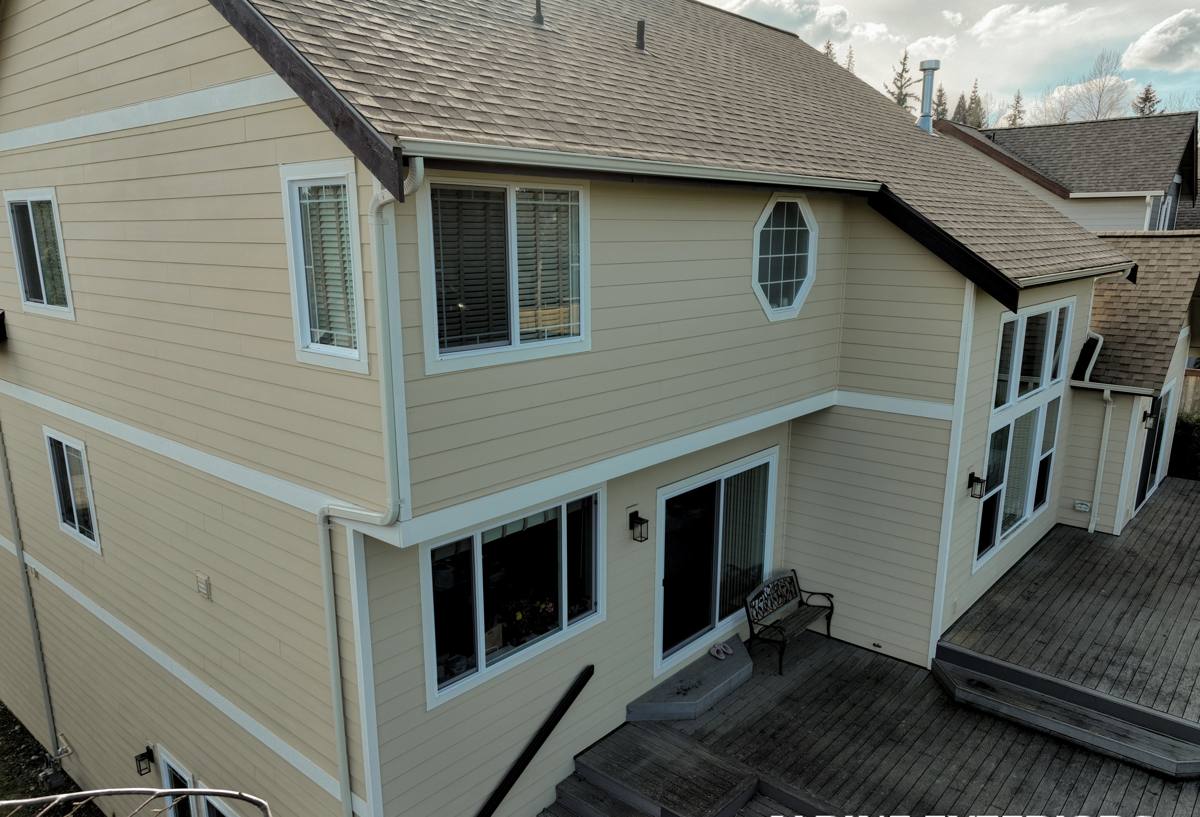
What Clearwater's Climate Demands From New-Construction Windows
Hurricane-Force Wind Loads
Every new opening cut into a Sunset Point home has to be engineered for wind pressure, not just wind speed. Design pressure ratings (DP) determine how much a window can flex and hold under both positive pressure (wind pushing in) and negative pressure (suction pulling out, which is often the more damaging force on a home's leeward side during a storm). A window that's rated correctly for its wall location, story height, and corner-versus-field position on the building is doing real structural work, not just filling a hole.
Year-Round UV and Heat
Clearwater doesn't get a real off-season for sun exposure. Low-E glass coatings and frame materials that resist UV degradation matter here in a way they don't in northern climates — vinyl frames, sealants, and even some glazing compounds can chalk, warp, or lose performance faster under constant Florida sun if they're not spec'd for it.
Wind-Driven Rain
Rain that falls straight down is easy to shed. Rain driven sideways at 40-plus mph during a tropical system finds every gap in flashing, every shortcut in sill pan installation, and every place where sealant was substituted for proper water management. New construction is actually the best time to solve this permanently, because the wall assembly is open and the flashing sequence can be built correctly from the sheathing out — something that's much harder to retrofit later.
Salt Air and Corrosion
Sunset Point's proximity to the harbor means airborne salt is a constant, low-level presence on hardware, fasteners, and frame components. Uncoated or mismatched metals corrode faster here than they would even a few miles inland. Fastener selection and hardware finish are a real durability decision on this stretch of Clearwater, not a cosmetic one.
Impact-Rated Windows vs. Non-Impact Windows With Shutters
Florida code gives new construction two legitimate paths to satisfy wind-borne debris protection: impact-rated glass built into the window itself, or standard glass paired with code-approved shutters or panels installed separately. Both are allowed. They are not equivalent in day-to-day ownership.
| Factor | Impact-Rated Windows | Standard Glass + Shutters |
|---|---|---|
| Storm prep effort | None — protection is built in | Shutters/panels must be installed before each storm |
| Upfront cost | Higher per opening | Lower window cost, added shutter cost |
| Daily UV and noise performance | Laminated glass also cuts UV transfer and outside noise | No added benefit day-to-day |
| Exterior appearance | Clean, no visible hardware when not storming | Shutters or tracks visible year-round or during install |
| Long-term maintenance | Frame and glass seal maintenance only | Shutter hardware, tracks, and panels need their own upkeep |
Neither option is "wrong" — the right call depends on budget, how the home will be used, and whether the owner wants to actively manage storm prep every season. We'll walk through both honestly during a consultation rather than pushing one path.
What a Correct New-Construction Install Actually Involves
Rough Opening and Buck Prep
The rough opening has to be sized, squared, and plumb before a window ever shows up on site. On block construction common around Clearwater, that often means properly anchored bucking to give the window frame something solid and correctly fastened to attach to — a step that's easy to rush and hard to fix once stucco or siding closes it in.
Flashing and Weatherproofing Sequence
Water management around a new-construction window follows a specific order: sill pan first, then side flashing, then head flashing, each one lapped so water sheds outward and down, never inward. This sequence — done before the window is even set — is what actually keeps wind-driven rain out, not the sealant bead that goes in afterward.
Fastening and Anchoring
Fastener type, spacing, and embedment depth all come from the window's product approval documentation, not a generic install guide. In a coastal-influenced area like Sunset Point, corrosion-resistant fasteners are worth the small added cost — cheap fasteners are one of the more common hidden points of failure in coastal window installs.
Sealant and Finish
Sealant is the backup to good flashing, not a substitute for it. The right sealant, applied in the right joints with backer rod where needed, finishes the weatherproofing envelope and gives a clean, durable reveal around the frame.
Florida Building Code and Pinellas County Permitting
Pinellas County sits outside Florida's High-Velocity Hurricane Zone (that designation is limited to Miami-Dade and Broward Counties), but Clearwater still falls within the state's wind-borne debris region under the Florida Building Code. In practical terms, that means new-construction openings generally need either impact-rated glazing or approved separate protection — the exact wind speed and pressure requirements depend on your site's exposure category, elevation, and proximity to open water, which is part of what an engineer or permit reviewer checks before approval.
Windows also need a valid Florida Product Approval or Miami-Dade Notice of Acceptance number tied to the specific model and configuration being installed — not just the manufacturer's general reputation. New-construction window openings are inspected as part of the permitting process, and a job that skips proper documentation can hold up your certificate of occupancy. Pulling the permit correctly and having inspection-ready documentation on hand is part of doing this job right, not paperwork we treat as optional.
Our Process for New-Construction Window Installs
- Plan review and site walk. We look at your architectural plans or existing framing, note wind zone and exposure factors specific to the lot, and flag any openings that need special attention.
- Product selection. We go over frame material, glass package, and impact vs. shutter-protected options against your budget and how you plan to use the home.
- Measuring and ordering. Openings are measured to the framed dimension, and orders are placed against documented product approvals for your wind zone.
- Installation. Flashing, bucking, setting, anchoring, and sealing are done in sequence, with each stage checked before the next covers it up.
- Inspection support. We make sure documentation and workmanship are ready for the building department's inspection the first time, not the third.
Why a Crew That Already Works Sunset Point Matters
New-construction window work is site-specific in ways that generic contracting doesn't account for. A crew that regularly works Sunset Point and the surrounding Clearwater area already understands the local permitting process at the city building department, has a working sense of how exposure and wind loads change closer to the water, and has seen how salt air affects hardware and finishes on homes built in this exact microclimate over time. That's the kind of knowledge that shows up in the small decisions — fastener choice, sealant selection, flashing detail — that a homeowner never sees but absolutely feels ten years later when the windows still perform.
It also matters for accountability. A local crew is reachable if a question comes up during your final walkthrough or years into ownership, not a name on an invoice from a company that worked one job in your neighborhood and moved on.
What Drives the Cost of New-Construction Windows
| Cost Factor | Why It Matters |
|---|---|
| Number and size of openings | More and larger openings mean more material, labor, and structural detailing |
| Impact-rated vs. shutter-protected | Impact glass carries a higher unit cost but removes ongoing storm-prep labor |
| Frame material | Vinyl, aluminum, and composite frames differ in upfront cost and long-term maintenance |
| Wall construction type | Block walls require different bucking and anchoring than wood-framed walls |
| Story height and wall position | Corner and upper-story openings often carry higher design pressure requirements |
Broad ranges are useful for planning, but a real number depends on your plans, opening count, and product selection — which is exactly what a site-specific estimate is for.
A short checklist worth going through before you sign with anyone for new-construction window work:
- Confirm they'll pull the permit themselves, not ask you to pull an owner-builder permit for their labor
- Ask which Florida Product Approval or NOA numbers apply to your specific windows and wind zone
- Get the flashing and weatherproofing sequence explained in plain language before install starts
- Check that fastener and hardware specs account for coastal corrosion exposure
- Ask how inspection scheduling and any correction items will be handled
Caring for New Windows in a Salt-Air Climate
A correctly installed window still benefits from basic upkeep in a coastal-influenced area like Sunset Point. A few habits go a long way:
- Rinse frames and hardware periodically to clear salt residue, especially after windy stretches off the water
- Check and re-bed exterior sealant joints every few years as part of routine home maintenance
- Operate hardware regularly so hinges and locks don't seize from disuse
- Have screens and weep holes checked annually so water has a clear path to drain out
- Address any soft caulk, discoloration, or interior sill staining early — those are early signs, not cosmetic issues
If you're planning new construction or a major addition in Sunset Point and want windows specified and installed correctly the first time, we're glad to walk your plans and give you a straightforward, no-pressure estimate — just fill out the form below.