 Clearwater Roofing
 Windows Built for What Coachman Ridge Actually Deals With
Coachman Ridge sits inland enough from the Gulf to feel like a break from the coast, but it's still Pinellas County, Florida — which means the same weather that pounds the beaches works its way through every neighborhood here. Hurricane-force wind gusts, sideways rain that finds every gap in a poorly sealed frame, relentless UV exposure nearly year-round, and a steady dose of salt-laden air all wear on a home's windows whether you can see the water from your yard or not. Windows that were fine when a house was built decades ago are often the weakest point in the building envelope today.
Custom windows for a home in this neighborhood aren't about luxury upgrades — they're about matching the window to the opening, the exposure, and the wind zone your specific address falls under. That's a different job than ordering stock sizes off a shelf, and it's why the fit and the installation matter as much as the glass itself.
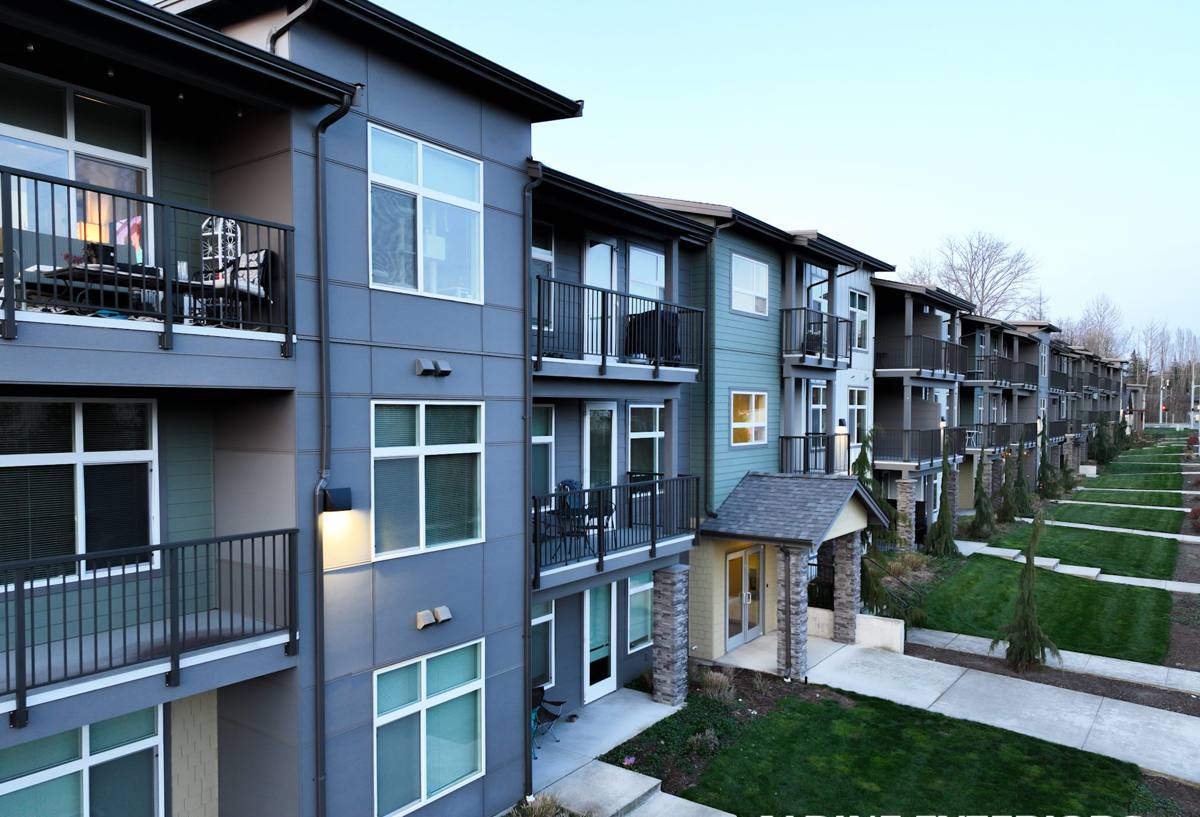
What "Custom" Really Means Here
A lot of homeowners hear "custom windows" and assume it just means a fancier look. In practice, custom means the window is manufactured to the exact dimensions and structural requirements of your opening, rather than forcing your opening to fit a standard size. This matters more in older Clearwater neighborhoods where openings have settled slightly out of square over the years, or where a previous remodel left a rough opening that doesn't match anything on a factory size chart.
Custom Sizing and Fit
Precise measurement prevents the two most common problems with window replacement: gaps that get packed with excess caulk or foam (which fail faster than a proper mechanical fit), and windows that bind or won't operate correctly because they were forced into an opening they don't match.
Custom Style and Function
Custom also covers matching the window type to the room and the wall — single-hung, double-hung, casement, sliding, or picture windows — along with grille patterns, frame color, and glass tint that fit the character of the house rather than a generic default.
Frame Materials: What Holds Up in This Climate
Frame material choice matters more here than in drier, milder climates because heat, humidity, and salt air accelerate wear on the wrong material. Here's an honest comparison of what we install and how each performs locally.
| Frame Material | Coastal/UV Durability | Maintenance | Typical Cost Position |
|---|---|---|---|
| Vinyl | Good — won't corrode, but lower-grade vinyl can yellow or warp under constant UV | Low — no painting, occasional cleaning | Entry to mid-range |
| Fiberglass | Excellent — dimensionally stable in heat, resists UV degradation well | Low | Mid to upper-range |
| Aluminum | Strong structurally, but prone to corrosion near salt air over time without proper coatings | Moderate — coatings need to stay intact | Mid-range |
| Wood-composite | Good appearance, but moisture management is critical in humid climates | Higher — finish upkeep matters | Upper-range |
We'll walk you through which material makes sense for your specific exposure — a west-facing wall that takes brutal afternoon sun all summer has different needs than a shaded, protected side of the house.
Impact-Rated Glass and Wind Zone Requirements
Pinellas County falls within Florida's High-Velocity Hurricane Zone influence for coastal construction standards, and even where a specific property isn't in the strictest HVHZ boundary, the Florida Building Code still requires windows to meet wind-borne debris protection in wind-borne debris regions. What that means in plain terms: the window has to be rated to resist a specific level of wind pressure and impact from flying debris, not just look sturdy.
Impact Glass vs. Shutters
Impact-rated windows use laminated glass with an interlayer that holds the glass together even when the outer pane cracks, so the opening stays protected without you needing to install and remove shutters or panels before every storm. Shutters and panels still have a place, especially for openings where impact glass isn't practical, but for day-to-day living, permanently impact-rated glass means one less thing to manage when a storm is approaching.
Permitting
Window replacement in Clearwater requires a permit, and the window itself needs a valid product approval number tied to the wind pressure rating for your specific location. We pull permits and handle this as part of the job — it's not an optional add-on, it's what keeps the installation legal and keeps your insurance company satisfied if you ever need to file a claim.
Why Installation Quality Matters More Than the Window Itself
A correctly rated, well-built window installed poorly will fail exactly where a cheaper window installed correctly won't: at the seal, the flashing, and the fastening pattern. Most window failures we see in older Clearwater homes aren't glass failures — they're installation failures that let water behind the frame for years before anyone notices the rot or the mold.
What a Correct Installation Includes
- Removing the old window down to the rough opening, not just covering over it
- Checking the opening framing for water damage or rot before the new window goes in
- Proper flashing and sealant sequencing so water sheds outward, not into the wall cavity
- Fastening to manufacturer and wind-load specifications, not just "enough screws"
- Interior and exterior trim work finished to match the home, not left gapped or caulked over
Skipping any one of these steps is often invisible on installation day and expensive two or three years later.
Signs Your Current Windows Are Already Failing
Homeowners in this neighborhood often live with failing windows longer than they should because the symptoms show up gradually. Watch for:
- Visible fogging or moisture between panes of double-glazed units — a sign the seal has failed
- Windows that are difficult to open, close, or lock, especially after humid weather
- Soft or discolored wood, drywall, or trim around the frame
- Noticeable drafts or a whistling sound during windy conditions
- Visible warping, chalking, or fading of the frame material
- Rising energy bills without a clear explanation elsewhere in the home
Any one of these on its own might not mean full replacement, but two or more together usually signal the window has reached the end of its useful service life.
Energy Efficiency and UV Protection
Clearwater's sun exposure is intense for most of the year, and older single-pane or poorly coated windows let a lot of that heat straight into the house — which shows up directly on cooling bills. Modern custom windows use Low-E coatings that reflect infrared heat while still letting visible light through, along with insulated glazing that reduces heat transfer through the frame and glass assembly.
UV protection matters beyond comfort, too. Unfiltered UV exposure fades flooring, furniture, and window treatments faster than most homeowners expect. A properly specified Low-E package cuts that fading significantly without noticeably darkening the room.
Why It Matters to Hire a Crew That Already Works This Neighborhood
A crew unfamiliar with Coachman Ridge and the surrounding Clearwater area is starting from zero on every job — guessing at typical framing quirks, unfamiliar with the county's permitting process, and not necessarily thinking about your specific wind exposure. A crew that already works this area brings a few practical advantages:
Local Code and Permit Familiarity
We know what Pinellas County and the City of Clearwater require for permitting and inspection on window replacement, so there's no back-and-forth delay figuring it out mid-project.
Realistic Timelines and Weather Planning
Florida's rainy season and hurricane season both affect scheduling. A local crew plans installation windows around weather realistically instead of leaving an opening exposed and hoping for the best.
Consistency and Accountability
Working repeatedly in the same neighborhoods means our work has to hold up under the same scrutiny of neighbors and repeat customers — that's a stronger incentive for quality than a company that installs once and moves on to the next county.
Our Process, Start to Finish
- On-site assessment — we measure openings, check framing condition, and discuss which frame material and glass package fit your exposure and budget
- Written proposal — clear pricing, product specifications, and wind pressure/impact ratings for your address
- Permitting — we pull the required permit and coordinate inspection scheduling
- Installation — old windows removed, openings inspected and repaired if needed, new windows installed and sealed to code
- Final walkthrough — we test every window's operation and lock function with you before calling the job done
If you're weighing whether it's time to replace windows on your Coachman Ridge home, or you just want a straight answer about what a correct job costs and involves, we're happy to take a look and give you a free, no-pressure estimate using the form below.