 Clearwater Roofing
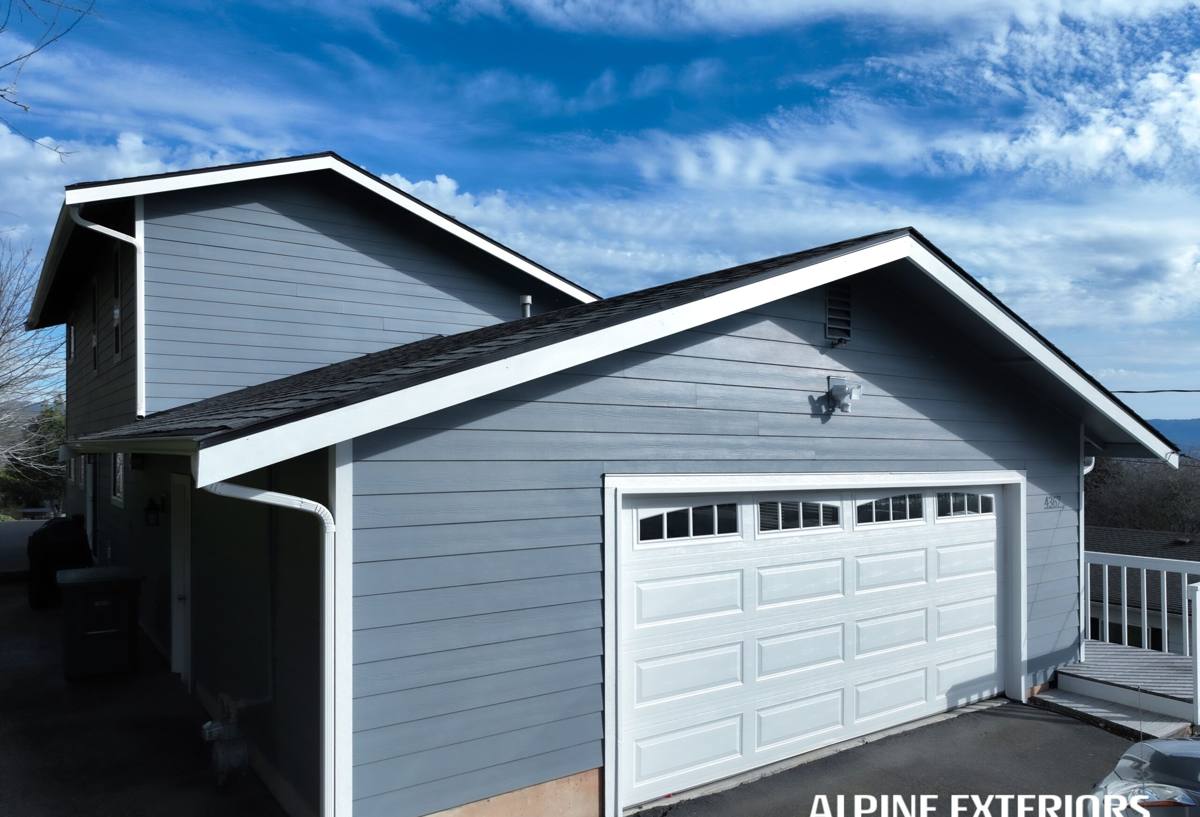
 Asphalt Shingle Roofing for Belleair Bluffs Homes
Belleair Bluffs sits in one of the more exposed stretches of Pinellas County, tucked between the Intracoastal Waterway and the open Gulf a short distance away. That location is part of what makes the neighborhood appealing, but it also means roofs here take a beating that inland Florida homes never see. Salt-laden air, near-constant UV exposure, sudden downpours, and the real possibility of hurricane-force wind gusts all work against a roof at the same time, year after year. Asphalt shingle roofing remains one of the most practical, cost-effective options for this kind of exposure, but only when it's specified and installed correctly for the environment it's going into. A shingle roof built to a generic standard and a shingle roof built for Belleair Bluffs are not the same product, even if the shingles themselves come from the same bundle.
What Belleair Bluffs' Climate Actually Does to a Roof
It helps to be specific about what's working against a roof in this part of Clearwater and Pinellas County, because it changes what "correct installation" means.
Wind
Belleair Bluffs' proximity to open water means wind loads during tropical systems and even routine summer storms can exceed what many inland roofs ever experience. Shingle uplift almost always starts at edges, ridges, and hips — the places wind grabs first. If those areas aren't detailed properly, a roof can lose shingles in a storm that a better-built roof next door rides out with no damage.
UV and Heat
Florida sun is intense and constant, and asphalt shingles are a petroleum product at their core. Sustained UV exposure dries out the asphalt over time, making shingles more brittle and less able to flex with temperature swings. This is a slow process, but it's steady, and it's one of the main reasons shingle roofs in this area don't last as long as the same product would in a milder climate.
Wind-Driven Rain
Straight-down rain is easy for any roof to shed. Wind-driven rain is a different problem — it can be pushed sideways and even slightly upward under shingle edges, which is why underlayment quality and flashing detail matter as much as the shingles themselves.
Salt Air
Being close to the water means airborne salt settles on roofing materials and accelerates corrosion of exposed metal — nails, flashing, vents, and fasteners. A roof built with standard-grade fasteners in a coastal-adjacent area like Belleair Bluffs will show corrosion and related problems years before the same roof would inland.
What a Correct Shingle Roof Installation Involves Here
A shingle roof is a system, not just a layer of shingles nailed to plywood. Each component has a job, and skipping or downgrading any one of them shortens the life of the whole roof.
- Deck inspection and repair — any soft, delaminated, or water-damaged decking gets replaced before anything else goes down. Shingles fastened to a compromised deck won't hold, no matter how good they are.
- Underlayment — a synthetic or self-adhered underlayment rated for wind-driven rain, installed with proper overlaps, is the roof's real second line of defense once shingles are compromised or lost.
- Starter strip at eaves and rakes — this is one of the most commonly shortcut details on lower-quality installs, and it's exactly where wind gets its first grip on a roof.
- Nailing pattern and fastener count — shingles rated for high wind require a specific number of correctly placed fasteners. Under-nailing is invisible from the ground and shows up the first time a storm rolls through.
- Flashing at penetrations and walls — vents, skylights, chimneys, and roof-to-wall transitions are where the majority of leaks originate, not the open field of shingles.
- Ridge and hip detailing — these edges see the highest wind pressure on the roof and need shingles and fasteners matched to that exposure.
- Ventilation — proper intake and exhaust airflow keeps attic temperatures and moisture in check, which protects the shingles from the underside as well as the top.
Signs a Belleair Bluffs Roof Needs Attention
Because this climate ages roofs faster than milder ones, it pays to know what to watch for rather than waiting for an obvious leak.
- Granules collecting in gutters or at downspout outlets, which signals the shingles' protective surface is wearing thin.
- Shingle edges that look curled, cupped, or slightly lifted, especially near the roof's edges and corners.
- Dark streaking or discoloration, which is often algae or biological growth rather than dirt.
- Visible fastener heads or exposed nail holes where a shingle tab has shifted.
- Soft spots underfoot on a roof deck, or sagging visible from the ground.
- Water stains on interior ceilings, particularly near chimneys, skylights, or where two roof planes meet.
Any one of these on its own isn't necessarily an emergency, but in a coastal-adjacent area like this, small issues tend to compound quickly once wind and rain find a weak point.
Choosing the Right Shingle for This Environment
Not every asphalt shingle product is a good fit for Belleair Bluffs' exposure, and this is a place where it's worth being direct about trade-offs rather than just recommending the most expensive option.
| Shingle Type | Wind Performance | Best Fit For |
|---|---|---|
| Standard 3-tab | Lower wind rating, lighter weight | Budget-conscious projects on less exposed lots; generally not our first recommendation this close to open water |
| Architectural (laminate) | Higher wind rating, thicker profile | Most Belleair Bluffs homes — better UV durability and wind resistance for the money |
| High-wind rated architectural | Highest asphalt shingle wind rating available | Homes on more exposed lots, waterfront-adjacent properties, or owners prioritizing maximum wind performance |
We install architectural shingles on the large majority of Belleair Bluffs homes because the added durability against UV breakdown and wind uplift is worth the modest cost difference over a standard 3-tab product, especially given how much sun and wind exposure this area gets compared to more inland parts of the county.
Our Process for Belleair Bluffs Roofing Projects
- On-site inspection — we look at the existing roof, deck condition, ventilation, and any problem areas specific to the home before recommending anything.
- Honest scope and estimate — you get a clear breakdown of what's being replaced or repaired and why, with no pressure to upsell beyond what the roof actually needs.
- Material selection — we walk through shingle options suited to the home's exposure and your budget, not a one-size-fits-all package.
- Permitting — roofing work in Pinellas County requires permits and inspections; we handle that process as part of the job.
- Tear-off and deck check — old roofing comes off down to the deck so any hidden damage gets addressed before new materials go on.
- Installation to code and manufacturer spec — underlayment, starter strip, field shingles, flashing, and ridge detail installed to the standards that actually hold up in this climate.
- Final walkthrough — we go over the completed roof with you before calling the job done.
What Affects Cost
Every roof is different, and we won't quote a number without seeing the actual project, but these are the main factors that move the price on a Belleair Bluffs shingle roof.
| Factor | Why It Matters |
|---|---|
| Roof size and complexity | More hips, valleys, and penetrations mean more flashing detail and labor time |
| Deck condition | Rotten or delaminated decking found during tear-off adds material and labor |
| Shingle grade chosen | Standard 3-tab, architectural, and high-wind architectural products carry different material costs |
| Layers of existing roofing | Full tear-off of multiple old layers takes longer than a single-layer removal |
| Ventilation upgrades | Adding or correcting intake/exhaust venting is sometimes needed and adds to scope |
| Access and pitch | Steep or hard-to-access roofs require more safety setup and labor time |
Maintenance That Extends a Belleair Bluffs Roof's Life
- Have gutters and downspouts cleared regularly so water isn't backing up under the shingle edge.
- Schedule a visual roof inspection after any major storm, even if nothing looks obviously wrong from the ground.
- Trim back overhanging branches that can drop debris or hold moisture against the roof surface.
- Address small flashing or sealant issues promptly rather than waiting for a full leak to develop.
- Keep attic ventilation clear of insulation or debris blocking airflow.
- Get a professional inspection every couple of years even without visible problems, given how hard this climate works on roofing materials.
Why Local Experience in Belleair Bluffs Matters
A roofing crew that regularly works this specific stretch of Pinellas County knows how the wind behaves coming off the water, which details tend to fail first on homes in this area, and what the permitting and inspection process looks like locally. That's different from experience installing shingles in general. We treat every Belleair Bluffs roof as a coastal-exposed roof from the first inspection, not as a standard install that happens to be near the water — because the difference between those two approaches is usually what determines whether a roof is still performing well after the next major storm season.
If you're dealing with an aging roof, storm damage, or you're simply planning ahead for a replacement, we're happy to take a look and give you a straightforward, no-pressure estimate. Use the form below to get started.