 Clearwater Roofing
 Siding Built for What Belleair Bluffs Actually Deals With
Belleair Bluffs is a small, established community tucked into Pinellas County, close enough to the Gulf that salt-laden air is a fact of daily life for every home in the area. Add in Central Florida's intense, near year-round UV exposure, the wind-driven rain that comes with every summer storm system, and the hurricane-force winds that are always a possibility during storm season, and you have a climate that is genuinely hard on exterior siding. Products that hold up fine in a drier, milder climate often don't last here. This page is about one job, done right, in one community: siding installation for homes in Belleair Bluffs.
A lot of siding failure we see isn't really a "bad product" problem — it's a wrong product, wrong installation, or wrong climate-match problem. Homes here need a siding system and an installation approach that account for constant moisture cycling, salt exposure, and wind load, not a generic national spec.
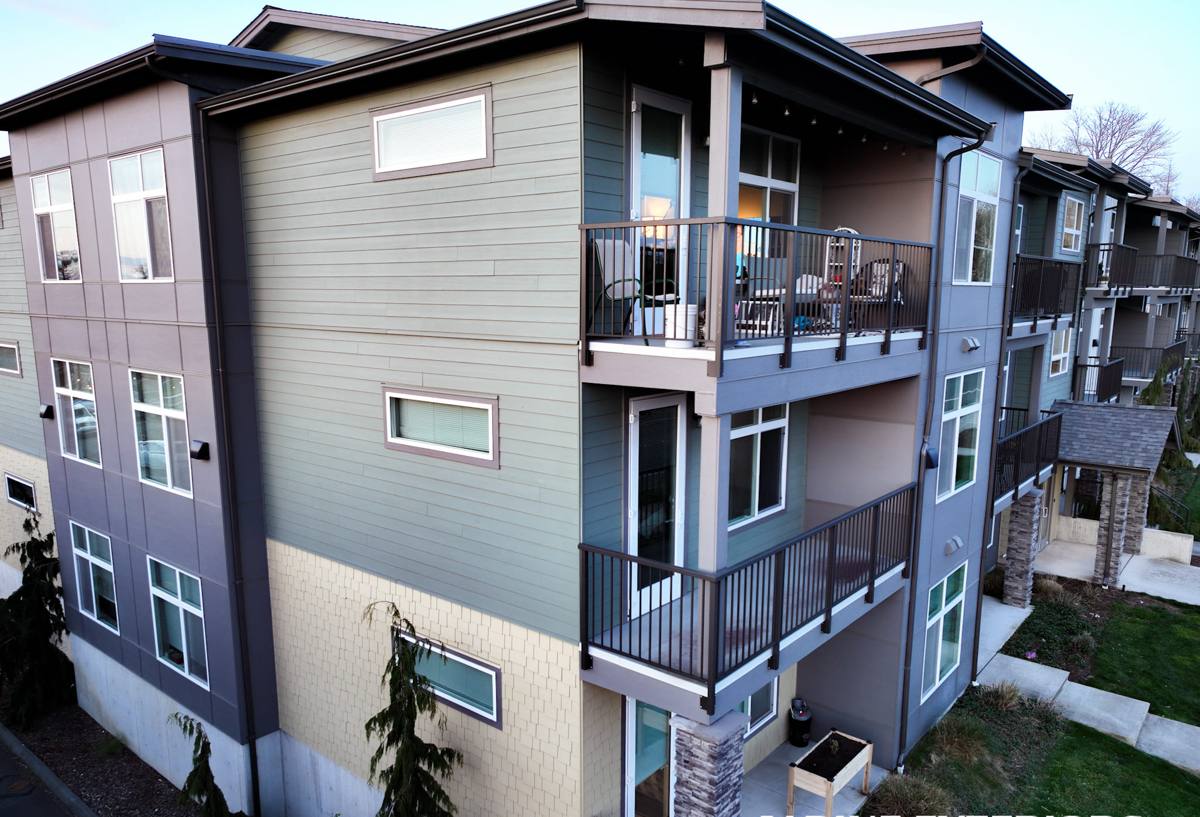
What Local Homes Need From Their Siding
Siding on a Belleair Bluffs home is doing more work than it looks like. It's the primary weather barrier between the structure and a climate that cycles between intense sun, sudden downpours, and salt-carrying wind almost daily. For that reason, siding here needs to handle a few things at once:
- Resist moisture intrusion at every seam, joint, and penetration — not just the flat field of the wall
- Hold paint and color under constant UV without chalking, fading, or breaking down early
- Stay dimensionally stable through humidity swings so joints don't gap and paint doesn't crack
- Withstand wind-driven rain being forced sideways into laps and trim during storms
- Resist the slow corrosive effect of salt air on fasteners, trim, and finish
Any siding installation in this area that doesn't plan for those five things from day one is a callback waiting to happen.
What Correct Installation Actually Involves
The siding material matters, but installation is where most long-term problems start or get prevented. A correct job is a system, not just panels nailed to a wall.
Moisture Management Comes First
Before a single piece of siding goes up, the wall needs a properly lapped weather-resistive barrier, correctly integrated flashing at every window, door, and penetration, and a plan for how incidental moisture drains back out rather than getting trapped behind the cladding. Skipping or rushing this step is the single most common cause of hidden rot behind siding that looks fine from the curb.
Fastening and Clearances
Fiber cement siding has manufacturer-specified fastener patterns, minimum clearances from rooflines, decks, and grade, and specific gapping at butt joints to allow for expansion. Getting these wrong doesn't show up immediately — it shows up in a few years as cracking, buckling, or moisture staining.
Trim, Caulking, and Joint Detail
Every outside corner, window return, and butt joint is a potential water entry point. Correct installation uses the right sealants at the right joints (and no sealant where a joint is designed to be a drainage gap, not a caulked seal), plus factory or field-primed cut edges so no raw material is left exposed to weather.
Checklist: What to Confirm Before Your Installation Starts
- Existing wall sheathing has been inspected for hidden damage before new siding covers it up
- A weather-resistive barrier and proper flashing plan is part of the scope, not an afterthought
- Fastener type, spacing, and clearances match manufacturer installation specifications
- Cut edges will be sealed or primed before installation, not left exposed
- You've received the manufacturer's written installation instructions the crew is following
Why We Install Only James Hardie Fiber Cement
We install one siding system: James Hardie fiber cement. We don't install vinyl, LP SmartSide, or other fiber cement brands, and that's a deliberate standard, not a sales preference.
Fiber cement is non-combustible, which matters on its own merits. It doesn't soften or warp in direct summer sun the way vinyl can, and it doesn't rely on a wood substrate that can absorb and hold moisture the way engineered wood products do. James Hardie's ColorPlus factory finish is baked on under controlled conditions, which gives it more consistent UV resistance than field-applied paint, and Hardie backs its products with a strong, transferable limited warranty — a real consideration for homeowners who may sell in the years ahead.
The HZ5 Product Line
James Hardie engineers specific product lines for different climate zones. For Gulf Coast Florida, including Pinellas County, that means the HZ5 line, built specifically to handle high humidity, heavy rain exposure, and the freeze-thaw isn't the issue here — moisture cycling and storm exposure are. Choosing the climate-matched product line, and having it installed to Hardie's actual specification, is what makes the warranty and the performance real rather than theoretical.
We're honest about the trade-off: fiber cement costs more up front than vinyl and requires an experienced, careful installation crew — it's heavier, needs specific cutting and fastening methods, and doesn't forgive careless work the way a forgiving material might. We think that trade-off is worth it for a home that's going to sit through decades of Florida weather.
Signs Your Current Siding Is Already Failing
Homeowners in Belleair Bluffs often call us after noticing one of these signs, not before:
- Soft or spongy spots when you press on the siding, especially near the bottom courses
- Visible buckling, warping, or gaps that weren't there a year or two ago
- Paint that's chalking heavily, peeling, or fading unevenly across the same wall
- Staining or dark streaking at seams and butt joints after rain
- A musty smell in an adjacent interior room with no obvious source
Any of these can mean moisture has already gotten behind the siding. The earlier it's addressed, the less likely it is to have reached the sheathing or framing underneath.
Our Installation Process
- On-site assessment. We walk the exterior, check existing siding and sheathing condition, and note trouble spots — problem windows, low-clearance areas, prior water damage.
- Scope and product selection. We spec the correct HZ5 Hardie products and profiles for the home, and explain the plan in plain terms before any work starts.
- Tear-off and substrate check. Old siding comes off, and we inspect what's underneath. Any compromised sheathing gets addressed before new material goes up — not covered over.
- Weather barrier and flashing. A proper drainage plane and flashing details go in at every window, door, and penetration.
- Installation to spec. Panels, fasteners, clearances, and joints follow James Hardie's published installation requirements.
- Trim, caulk, and finish check. Final detailing, cleanup, and a walk-through so you know exactly what was done and why.
Cost Factors for Belleair Bluffs Siding Projects
Every home is different, but the main cost drivers we see on siding installations in this area are consistent. This isn't a quote — it's a guide to what actually moves the price up or down.
| Factor | Why It Matters Here |
|---|---|
| Home size and wall complexity | More corners, gables, and trim details mean more cutting and detail work |
| Substrate condition | Hidden moisture damage found during tear-off adds repair scope before new siding goes up |
| Siding profile chosen | Lap width, shingle-style panels, and trim profiles vary in material and labor cost |
| Access and height | Multi-story sections, tight side yards, and roofline clearances affect labor time |
| Existing trim and moisture barrier scope | Full weather barrier and flashing replacement costs more than reusing sound existing material |
The only way to get real numbers for your home is a walk-through — which is why we offer one at no cost.
Why a Crew That Already Works Belleair Bluffs Matters
Siding installation isn't just about the product — it's about a crew that has actually installed it on homes facing the same coastal exposure, the same humidity, and the same storm risk as yours. A crew that regularly works Pinellas County homes already knows how local moisture patterns behave, what clearance issues tend to show up on homes near the coast, and how to sequence a job around Florida's rain patterns instead of getting caught mid-installation by an afternoon storm.
That local familiarity also means faster, more accurate estimates — we're not guessing at regional conditions, we're working from what we see on homes in this area every season.
Caring for Your Siding After Installation
Correctly installed James Hardie siding is low-maintenance, not zero-maintenance. A little attention keeps it performing for the long haul:
- Rinse the exterior periodically to clear salt residue and airborne grime, especially on sides facing prevailing wind
- Inspect caulking at trim and joints annually and re-seal if it's cracked or pulling away
- Trim back landscaping and irrigation so sprinklers aren't constantly wetting the lower courses
- Address any paint chips or dings promptly so the substrate underneath stays protected
- Have your siding looked at after any major storm, the same way you'd check your roof
If you're in Belleair Bluffs and thinking about new siding, or you're seeing signs your current siding is past its useful life, we're glad to take a look. We'll walk the exterior, tell you honestly what we find, and put together a straightforward estimate — no pressure, no obligation.