 Clearwater Roofing
 Belleair Bluffs' Waterfront Location Puts Extra Demands on Siding
Belleair Bluffs sits along the Intracoastal Waterway in Pinellas County, and homes here deal with a version of Florida weather that's more intense than what you'll find a few miles inland. Being close to open water doesn't shelter a house from wind — if anything, it catches more of it, along with the salt-laden air that rides in on the breeze off the water. Combine that with the humidity and near-constant UV exposure common throughout the greater Clearwater area, and you have a set of conditions that will expose every weakness in a siding system within a few years if the material or the installation wasn't built to handle it.
This page is specifically about fiber cement siding for Belleair Bluffs homes — not a general overview of siding, but what actually matters for a property in this location: the exposure it faces, what correct fiber cement detailing looks like here, and why we've standardized on a single product line rather than offering several options with different trade-offs.
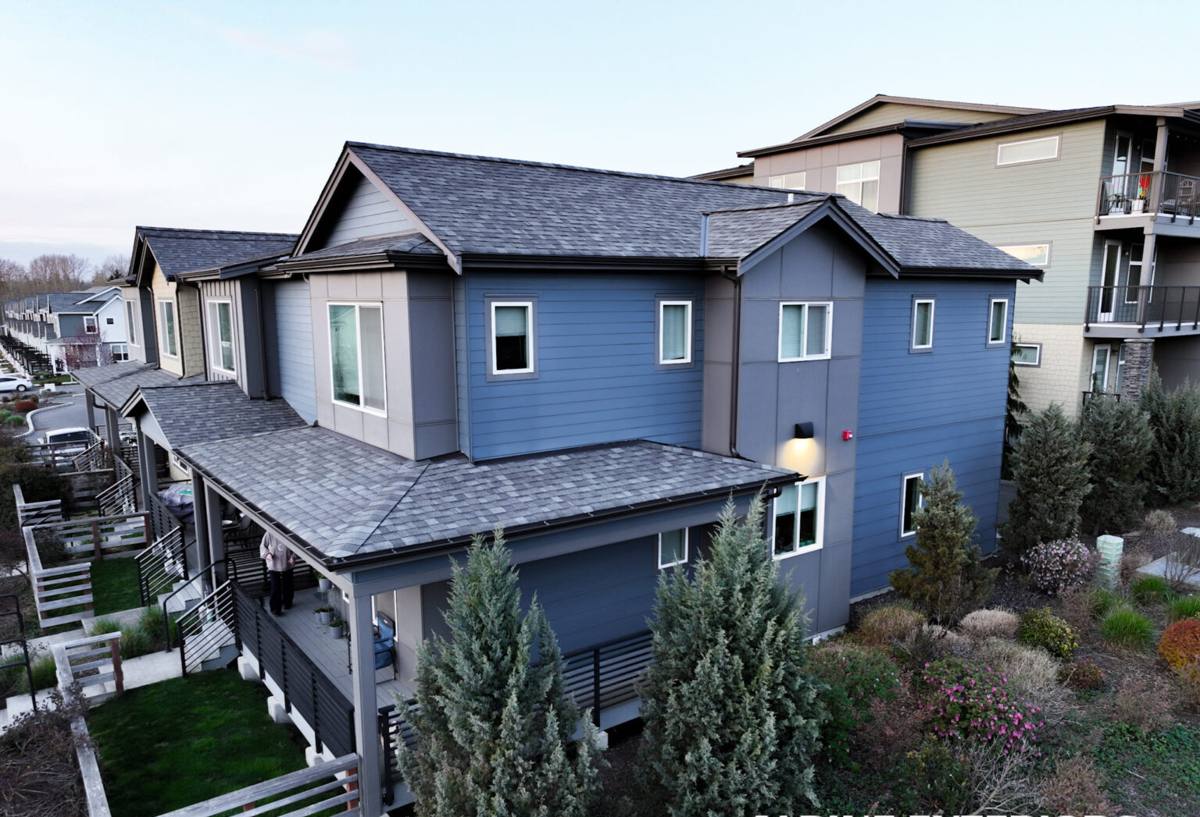
What Wind, Sun, and Salt Air Actually Do to Exterior Cladding
Wind-Driven Rain and Hidden Moisture
Florida storms rarely fall straight down. Wind pushes rain sideways into a wall, and any siding system with weak seams, poor flashing, or gaps around windows and trim will let water behind the cladding. Once moisture gets behind siding, it doesn't dry out quickly in a humid climate — it sits against the sheathing and framing, and that's when rot and mold problems start, often invisibly, for months or years before a homeowner notices anything from the outside.
Year-Round UV Exposure
Pinellas County doesn't get much of a break from the sun. Materials that rely on field-applied paint or stain take a UV beating every single day, not just in summer, and that finish breaks down faster than most homeowners expect — leading to fading, chalking, and the need for repainting on a cycle most people would rather not deal with.
Salt Air and Corrosion
Proximity to the Intracoastal means airborne salt is a real factor for Belleair Bluffs properties, even blocks back from the water. Salt accelerates corrosion of exposed metal fasteners and trim, and it degrades some coatings and finishes faster than inland exposure would. Any siding decision here has to account for that, not just for wind and rain.
Why We Install Only James Hardie Fiber Cement Siding Here
We install James Hardie fiber cement siding exclusively. We don't install vinyl, LP SmartSide, Cemplank, Allura, or unprimed wood species like spruce or cedar. That's not a marketing position — it's a standard we hold because of what we've seen happen to other materials under the exact conditions Belleair Bluffs homes face, and because Hardie's product line is specifically engineered around climate exposure rather than treated as a one-size-fits-all product.
Engineered for Florida Wind Zones
James Hardie's HZ5 product line is formulated and rated for high-humidity, high-wind climates like Florida's, as opposed to their HZ10 line built for freeze-thaw regions. That distinction matters more than most homeowners realize — a siding product engineered for a Midwest winter is not the same product that should be going on a home exposed to Gulf Coast humidity and hurricane-season wind loads.
A Factory Finish That's Built to Take UV
ColorPlus Technology is a factory-applied, baked-on finish rather than a coat of paint applied on-site after installation. It's formulated to resist UV fading far longer than field-applied paint, which matters enormously in a location that gets strong sun exposure essentially year-round. It also means touch-up and color matching are more consistent than trying to match a discontinued paint color years later.
Non-Combustible and Backed by a Real Warranty
Fiber cement is non-combustible, which isn't a small detail for insurance purposes or peace of mind. James Hardie also backs its products with a substantial, transferable limited warranty — something that matters if you plan to sell the home down the road, since a documented warranty on the siding is a real selling point for the next owner.
What a Correct Installation Involves
Fiber cement siding is only as good as the installation behind it. A product engineered for coastal wind and moisture exposure can still fail early if it's installed without attention to the details that actually matter in this climate.
The Prep Work Nobody Sees Later
Before a single plank goes up, the existing wall needs a proper inspection — checking sheathing for hidden rot or water damage from the old siding system, confirming the weather-resistive barrier is intact or being replaced, and making sure flashing at windows, doors, and roof intersections is correctly integrated rather than just caulked over. Skipping this step is the single most common reason a siding job fails early, regardless of what material goes on top.
Fastening, Clearances, and Flashing
James Hardie publishes specific installation requirements — fastener type and spacing, minimum clearance from grade, roof lines, and decks, and proper gapping and caulking at joints and penetrations. In a wind-driven-rain environment like Belleair Bluffs, those clearances and gaps aren't cosmetic guidelines; they're what keeps wind-blown water from finding its way behind the board. Installing to spec is also what keeps the manufacturer's warranty valid if a problem ever does come up.
Caulking and Sealant Choices That Hold Up to Salt Air
Not every sealant on the market is rated for long-term coastal exposure. Using the right sealant at joints, trim, and penetrations — and applying it correctly — makes a real difference in how long those seals actually keep water out under salt-air conditions instead of drying out and cracking within a couple of years.
Comparing Siding Options for a Belleair Bluffs Home
Homeowners often ask why we don't offer a lower-cost alternative alongside Hardie. The honest answer is in how these materials actually perform under the conditions this area sees.
| Material | Wind-driven rain & salt air performance | Maintenance burden | Typical longevity factor |
|---|---|---|---|
| James Hardie fiber cement | Engineered HZ5 formulation; factory finish resists moisture and UV | Low — occasional wash, no repainting cycle with ColorPlus | Backed by a long transferable limited warranty when installed to spec |
| Vinyl siding | Can warp or loosen under sustained high wind; seams are a moisture entry point | Low, but color fades and can't be repainted easily | Shorter practical lifespan in high-UV, high-wind coastal exposure |
| Wood or cedar | Absorbs moisture; vulnerable to rot without diligent upkeep | High — regular painting, sealing, and inspection required | Shortest lifespan of the group without strict maintenance discipline |
| LP SmartSide (engineered wood) | Wood-strand core is more moisture-sensitive than fiber cement at cut edges and seams | Moderate — finish and sealed-edge maintenance matter | Performance depends heavily on installation and edge sealing |
This isn't about any of these products being poorly made — it's about which one holds up with the least ongoing maintenance and risk in a coastal Pinellas County environment. That's why fiber cement is the only material we put on homes here.
Our Process for a Belleair Bluffs Siding Project
- On-site assessment: We walk the exterior, check current siding condition, look for signs of moisture intrusion, and evaluate trim, flashing, and any areas where wind exposure has clearly caused prior damage.
- Tear-off and sheathing inspection: Once old siding is removed, we inspect the sheathing and framing underneath before anything new goes up — this is the stage where hidden problems from years of wind-driven rain get caught and addressed.
- Weather barrier and flashing correction: We repair or replace the weather-resistive barrier as needed and correct flashing details around every penetration before installation begins.
- James Hardie installation to manufacturer spec: Fastening, clearances, gapping, and caulking are done according to Hardie's published requirements, not shortcuts based on what's fastest.
- Final walkthrough: We review the finished job with the homeowner, including trim details and any color or accent choices from the ColorPlus palette.
Signs Your Current Siding Is Already Losing the Fight
A lot of siding damage in this area develops slowly enough that homeowners don't notice until it's a bigger repair than it needed to be. Worth checking for:
- Soft or spongy spots when you press on siding near the bottom edges or around windows
- Visible warping, buckling, or gaps that weren't there a year or two ago
- Paint or finish that's chalking, peeling, or fading unevenly
- Rust streaks running down from fasteners or trim
- Musty smell or visible staining on interior walls that back up to exterior siding
- Caulking at joints and trim that's cracked, shrunk, or pulling away
Any one of these is worth a closer look before it turns into a sheathing or framing repair.
Why a Crew That Already Works Belleair Bluffs Matters
Coastal Pinellas County work isn't identical to siding work fifty miles inland. A crew that regularly works Belleair Bluffs and the surrounding Clearwater area already understands the wind exposure this stretch of coastline sees, knows what county permitting and inspection expects for wind-zone-rated installations, and has already worked through the practical logistics of staging materials and working around the tighter lots common in older waterfront neighborhoods. That familiarity shows up in the details — correct clearances, proper flashing integration, and a finished job that's built for the specific conditions of this address rather than a generic install.
If your Belleair Bluffs home needs new siding, or you want a second opinion on whether your current siding is holding up the way it should, we're happy to take a look. Reach out for a free, no-pressure estimate using the form below.