 Clearwater Roofing
 Siding That Has to Work Twice as Hard on Sunset Point
Sunset Point sits close enough to open water that its homes take on a different set of exterior problems than houses a few miles inland. The siding on a Sunset Point home isn't just holding back rain — it's standing up to salt-laden air, near-constant sun, and the kind of wind gusts that come with a Gulf Coast storm season. A siding product that performs fine in a drier, cooler climate can fail years early here. That's why we treat Sunset Point as its own case, not a copy-paste of a generic Clearwater siding job.
This page covers what fiber cement siding specifically needs to do in this neighborhood, what a correctly installed job looks like, and how our crew — which already works in this area — approaches it.
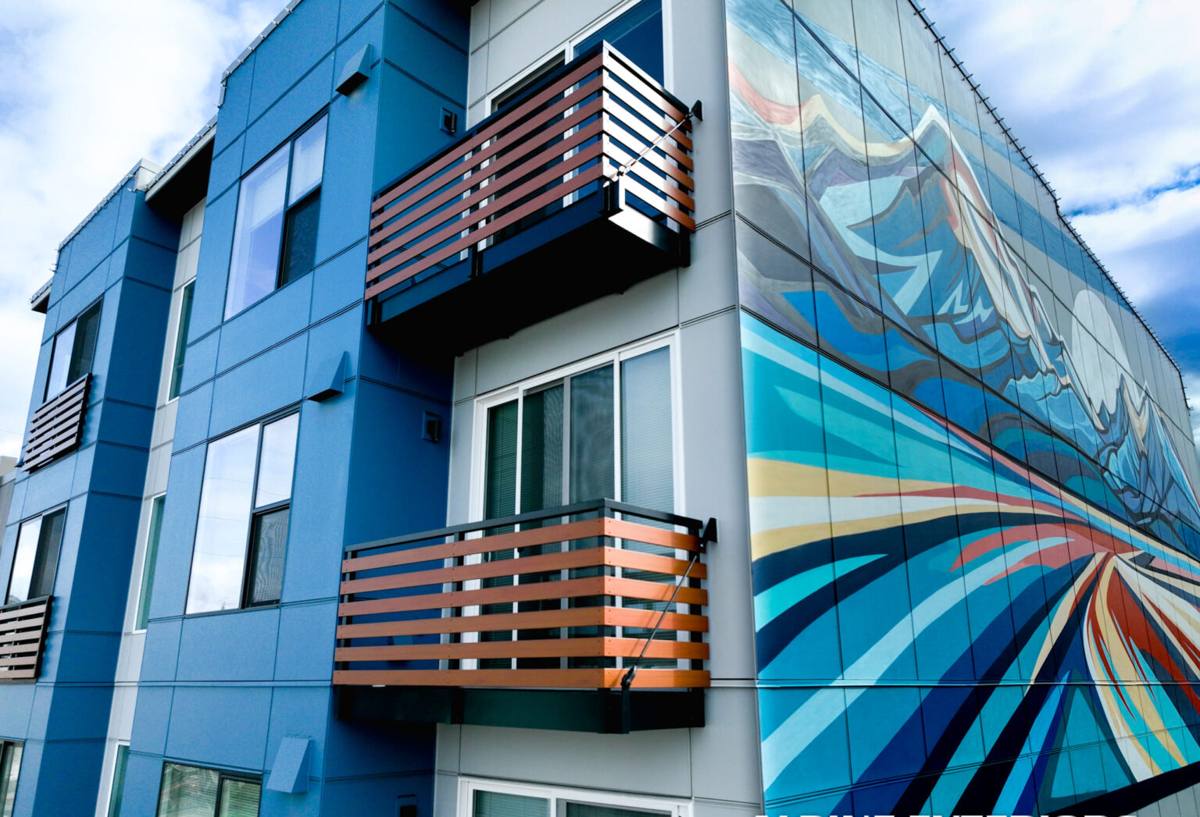
What Clearwater's Climate Does to Exterior Siding
Three environmental factors drive almost every siding failure we see in Pinellas County, and Sunset Point's proximity to the water intensifies all three.
Salt Air and Corrosion
Airborne salt doesn't just sit on the surface of a wall — it works into fasteners, trim seams, and any exposed cut edge. Over years, the wrong fastener material or an unsealed cut edge becomes a corrosion point, and corrosion around a fastener is one of the most common ways siding starts to fail long before the panel itself wears out.
UV Exposure Year-Round
Florida doesn't give siding an off-season. Constant, intense sun breaks down pigments and surface coatings faster than in most of the country. Siding that relies on a field-applied paint job tends to show fading and chalking well before a factory-cured finish does, which means more frequent repainting to keep a home looking maintained.
Wind-Driven Rain and Hurricane Gusts
Clearwater sits in a hurricane-prone wind zone, and wind-driven rain is a different problem than ordinary rainfall — it gets pushed sideways and upward into laps, seams, and penetrations that were never designed to shed water from that direction. Combine that with sustained high winds during named storms, and any weak point in fastening, flashing, or panel overlap becomes the place water gets in.
Why Fiber Cement Is the Right Material for This Neighborhood
Fiber cement is dense, non-combustible, and dimensionally stable — it doesn't expand and contract with heat and humidity the way wood or some engineered wood products do, and it doesn't degrade in UV and moisture the way vinyl can over a long enough timeline in intense sun. For a property exposed to salt air and hurricane-force wind, those characteristics matter more than they would in a milder climate.
We install James Hardie's fiber cement products specifically because Hardie engineers regional product lines for climate conditions, including an HZ5 formulation built for the higher humidity and moisture exposure found along the Gulf Coast. That's a meaningful distinction from a one-size-fits-all siding product — Sunset Point's climate isn't the same as a siding job in a dry inland state, and the material shouldn't be either.
What a Correct Installation Actually Involves
Fiber cement is only as good as the installation behind it. Most of the siding failures we get called out to inspect trace back to installation shortcuts, not the material itself.
Substrate and Moisture Barrier
Before any siding goes up, the wall needs a continuous, properly lapped weather-resistive barrier. Every seam, penetration, window, and door opening needs to be flashed so that any water that gets behind the siding has a clear path back out — not into the wall cavity. Skipping or rushing this step is invisible once the siding is on, which is exactly why it causes so many long-term problems.
Fastening and Clearances
Fiber cement has to be fastened with corrosion-resistant fasteners driven to manufacturer spacing and depth — overdriven or underdriven nails are a common defect that shows up as cracking or loosening years later. Proper ground clearance and clearance from roof lines, decks, and other surfaces also matters here more than in a dry climate, since standing moisture against the bottom edge of a panel is a direct path to long-term damage.
Joints, Caulking, and Trim
Butt joints, trim transitions, and penetrations (vents, hose bibs, light fixtures) need to be treated with a compatible sealant rated for exterior movement and UV exposure — not a generic caulk that will shrink, crack, and open a gap within a couple of years in this sun.
Factory Finish vs. Field Painting
James Hardie's ColorPlus finish is baked on at the factory under controlled conditions, which gives it more consistent UV and fade resistance than a field-applied paint job, along with a coordinated finish on caulk and touch-up products. We install ColorPlus lines specifically because it holds up better in this sun than most site-applied paint systems, and it removes a repainting cycle from a homeowner's maintenance schedule.
Our Process for Sunset Point Homes
On-Site Assessment
We start by walking the exterior and looking at exposure — which walls take the most direct sun and wind-driven rain, where the current siding or substrate is already showing wear, and whether there are existing moisture or ventilation issues that need to be addressed before new siding goes up.
Product and Color Selection
From there we help select the right Hardie product line and profile for the home's style, along with a ColorPlus color that fits the neighborhood's look. We'll flag anything about the existing structure — soffit venting, trim condition, window flashing — that should be corrected as part of the job rather than covered over.
Installation and Cleanup
Installation follows manufacturer specification for fastening, clearances, and flashing detail, not a generalized approach. We remove old siding, inspect and repair the substrate as needed, install the weather barrier and flashing, then the siding itself, trim, and sealant. The site is cleaned up and debris hauled off at the end of the job.
What Affects the Cost of a Sunset Point Siding Job
Every home is different, but the same handful of factors drive most of the variation in a siding estimate. Installed fiber cement siding typically runs in a broad range of roughly $9–$16 per square foot depending on these factors — a full quote requires an on-site look.
| Factor | Why It Matters |
|---|---|
| Home size and story height | More wall area and taller walls mean more material, labor, and equipment (lifts/scaffolding) |
| Current siding condition | Rot or moisture damage found underneath means substrate repair before new siding goes on |
| Trim and architectural detail | Corners, dormers, and multiple roof lines add cutting, fitting, and flashing time |
| Siding profile chosen | Lap width, shingle-style panels, and vertical panel options carry different material and labor costs |
| Access around the property | Tight side yards, fencing, or landscaping close to the house can slow staging and installation |
Why We Install Only James Hardie
We don't install LP SmartSide, vinyl, Cemplank, Allura, or primed wood siding, and that's a deliberate standard, not an oversight. Each of those products has legitimate strengths — vinyl is inexpensive and low-maintenance in mild climates, engineered wood products can look good and install quickly, and other fiber cement brands exist in the same category as Hardie. But for a coastal Pinellas County climate specifically, we've settled on Hardie's engineered fiber cement because of how it performs against salt air, sustained UV, and wind-driven rain over the long run, combined with a factory finish that reduces the repainting burden and a warranty structure that's transferable if the home sells. That combination is why it's the only siding system we put our name behind here.
Why Local Experience in Sunset Point Matters
A crew that has worked in and around Sunset Point already understands the wind exposure differences between a waterfront-facing wall and a sheltered one, knows the local permitting and inspection process in Clearwater and Pinellas County, and has a feel for how quickly salt air ages an unprotected fastener or an unsealed joint in this specific area. That's not something a crew coming from outside the region picks up on their first job here — and on a material like fiber cement, where the installation detail is what determines whether it lasts twenty years or needs early repair, that local familiarity has real value.
Keeping Your New Siding in Good Shape
Correctly installed Hardie siding is low-maintenance, but "low-maintenance" isn't "no-maintenance," especially this close to the water. A simple annual routine keeps it performing the way it's designed to:
- Rinse the exterior periodically to clear salt residue and airborne grime, especially on walls that face open water or prevailing wind
- Walk the perimeter after major storms to check for loose trim, damaged caulk lines, or debris impact
- Keep gutters clear so water isn't overflowing and running down the siding face
- Trim back landscaping so it isn't holding moisture against the bottom courses
- Re-caulk joints and penetrations if you notice cracking or gaps, rather than waiting for water intrusion to show up inside
- Have any impact damage or fastener issues inspected promptly rather than left through another storm season
If you're weighing a siding replacement for a Sunset Point home, we're glad to walk the property, look at what's there now, and put together a straightforward, no-pressure estimate — just fill out the form below.