 Clearwater Roofing
 Windows Built for What Dunedin Actually Deals With
Dunedin sits right on the Gulf, and that location shapes everything about how windows need to be installed here. Salt-laden air corrodes hardware and frames faster than it does further inland. Intense, near-constant Florida sun breaks down seals, gaskets, and low-quality vinyl over years of exposure. And when a tropical system or hurricane pushes through Pinellas County, wind-driven rain finds every gap in flashing or caulking that wasn't done correctly the first time. None of that is unique to any one house — it's the baseline every window in this part of Clearwater and Dunedin has to stand up to, year after year.
That's why window installation here isn't just a matter of fitting a new unit into an old opening. It's a job that has to account for wind load, water intrusion, and long-term material fatigue from day one — not as an afterthought if something leaks two years later.
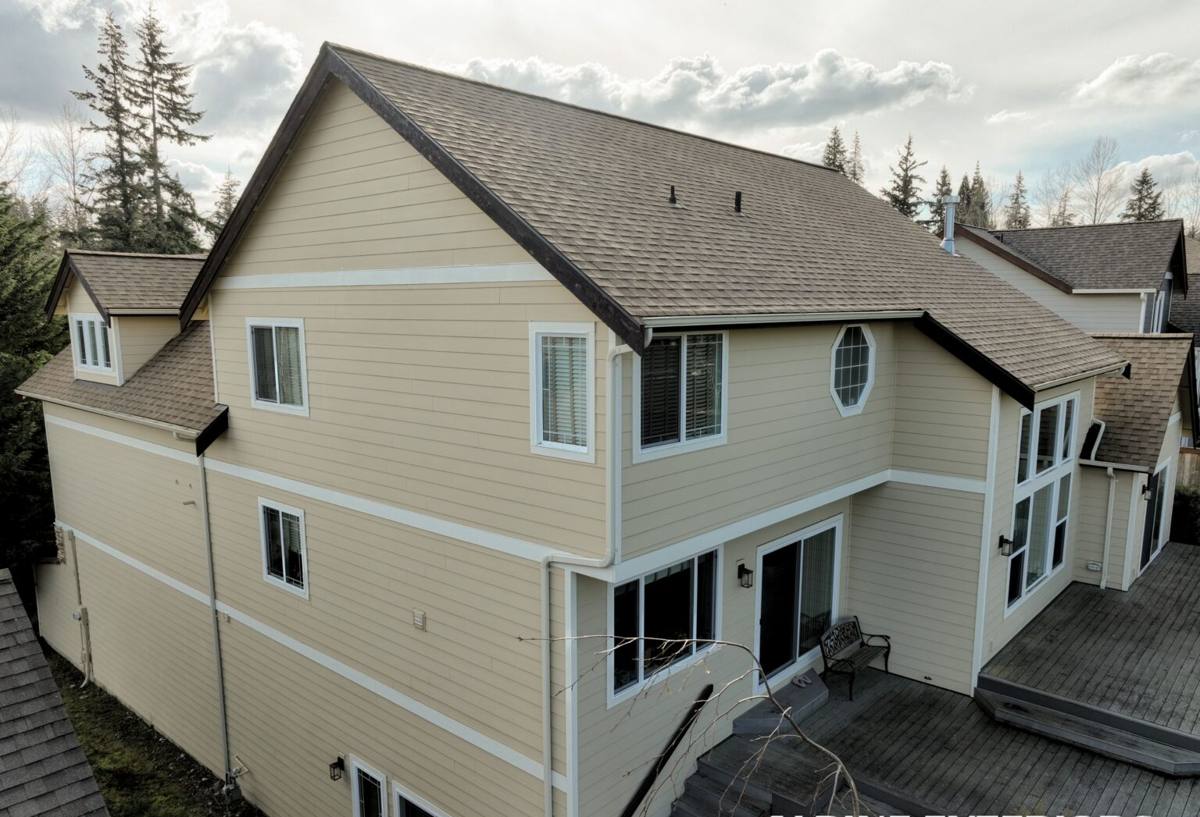
What "Correct" Window Installation Actually Involves
A window that looks fine from the curb can still be installed wrong in ways that only show up during the next big storm or the next humid summer. Proper installation on a coastal Pinellas County home involves several things that are easy to skip and hard to notice until they fail:
- Structural attachment rated for the wind loads required at this location, not just whatever fasteners came in the box
- Flashing and drainage paths that direct any water that gets past the exterior seal back outside, instead of into the wall cavity
- Sealant compatible with the frame material and rated for sustained UV and salt exposure, applied in a continuous bead with no gaps
- Proper shimming and leveling so the window operates smoothly and doesn't rack or bind as the structure settles
- Correct fastener spacing and type — stainless or coated fasteners near the coast, not standard hardware that will rust prematurely
Skip any one of these and the window can still look good for a while. The problem is that failures in flashing, sealant, or attachment don't usually announce themselves right away — they show up as a soft spot in drywall, a musty smell, or a window that suddenly won't stay shut, often long after the crew that installed it is gone.
Why This Matters More in Dunedin Than Inland
Homes a few miles inland deal with heat and UV, but not the same combination of salt air and direct Gulf wind exposure that Dunedin properties see. Hardware corrodes faster, sealants break down sooner, and wind-driven rain events are more frequent and more severe closer to the water. Installation details that would be "good enough" 20 miles inland aren't good enough here.
Impact-Rated Windows vs. Standard Windows with Shutters
One of the first decisions Dunedin homeowners face is whether to install impact-rated windows or stick with standard windows protected by separate shutters. Both approaches can meet Florida Building Code requirements for this wind-borne debris region, but they behave very differently day to day.
| Factor | Impact-Rated Windows | Standard Windows + Shutters |
|---|---|---|
| Storm prep effort | None — always ready | Shutters must be installed before each storm |
| Daily UV/noise protection | Better, year-round | No added benefit until shutters are up |
| Upfront cost | Higher per window | Lower window cost, added shutter cost |
| Home appearance | Unchanged, no visible hardware | Shutters visible when deployed |
| Maintenance | Standard window care | Shutter tracks/hardware need upkeep too |
Neither option is wrong — it depends on budget, how the home will be used, and how much value you place on not having to prep windows before every storm watch. We'll walk through both honestly during an estimate rather than pushing whichever is more profitable for us.
Signs Your Current Windows Are Already Failing
Before recommending replacement, we look for real evidence that the existing windows are past their useful life, not just their age. Common signs in Dunedin homes include:
- Fogging or condensation between panes on double-pane units, which means the seal has failed
- Frames that feel soft, chalky, or pitted — often a sign of long-term UV and salt exposure
- Difficulty opening, closing, or locking, which can point to a frame that's shifted or warped
- Visible daylight or a draft around the frame when the window is closed
- Water staining on interior sills or the wall below the window after heavy rain
Sometimes only a few windows on a home need replacement — usually the ones facing prevailing wind and rain — while others are still sound. We'll tell you honestly if a full-home replacement isn't necessary yet.
Our Installation Process
1. On-Site Assessment
We measure each opening, check the condition of the surrounding framing and sheathing, and confirm what wind load and impact rating the installation needs to meet at this address.
2. Product Selection
We go over frame material, glass type, and impact rating options based on your budget and priorities, without steering you toward the most expensive option by default.
3. Permitting
Window installation in Pinellas County requires a permit, and we handle that filing as part of the job — it's not an optional extra.
4. Removal and Prep
Old units are removed carefully, and we inspect the opening for any hidden rot, moisture damage, or framing issues before the new window goes in. Problems found here get addressed before installation continues, not covered up.
5. Installation
Each window is set, leveled, shimmed, mechanically fastened to meet required wind loads, and flashed and sealed for proper drainage — the details covered above, done the same way on every job.
6. Final Inspection
We confirm proper operation, check the seal, and make sure the job is ready to pass county inspection before we consider it finished.
Permitting and Florida Building Code in Pinellas County
Dunedin falls within Florida's wind-borne debris region, which means window products installed here need to meet Florida Building Code wind load and impact requirements for this area, and the work needs to be permitted and inspected by Pinellas County. This isn't paperwork for its own sake — it's what confirms the installation was actually done to the standard the code requires, which matters both for storm performance and for insurance and resale down the road.
Skipping or shortcutting the permit process is a red flag with any contractor, not a way to save time. An unpermitted window installation can create real problems later, from insurance claim disputes to complications when selling the home.
Frame Materials That Hold Up Near the Gulf
Frame material choice matters more here than in a lot of inland markets, because salt air accelerates corrosion and material breakdown. Quality vinyl frames handle salt exposure well and require little maintenance. Aluminum frames are strong but need a good coastal-grade finish to resist corrosion long-term. Fiberglass frames hold up well to both UV and salt but come at a higher price point. We'll talk through the trade-offs of each based on how exposed your specific home is to wind and salt spray, rather than defaulting to one material for every job.
Why a Crew That Already Works in Dunedin Matters
Window installation done right depends on knowing the local wind and moisture conditions, not just knowing how to install a window in general. A crew that regularly works Dunedin and the surrounding Clearwater area already understands the wind exposure patterns specific to this stretch of the Gulf coast, knows what Pinellas County inspectors look for, and has seen firsthand how different products and installation methods hold up over years of salt air and storm seasons — not just how they look on day one.
That local track record is worth checking before you hire anyone. A few things worth confirming with any contractor you're considering:
- Current Florida contractor license and proof of liability insurance
- Experience pulling permits and passing inspection with Pinellas County
- Willingness to put the wind load and impact rating in writing on the contract
- A clear explanation of the flashing and sealing method they'll use, not just the product brand
- References or completed work you can actually see, not just photos
A contractor who can answer these clearly and without hesitation is a good sign. One who brushes past them or rushes you toward a signature is worth a second look.
Get a Free, No-Pressure Estimate
If your Dunedin home has windows that are aging, drafty, or just due for an upgrade to something built for what Gulf Coast weather actually throws at them, we're glad to take a look. The estimate is free, there's no pressure to commit on the spot, and you'll get a straight answer about what your home actually needs. Fill out the form below to get started.