 Clearwater Roofing
 Deck Repair Built for Belleair's Coastal Conditions
Belleair sits close to open water in Pinellas County, which means homes here take on a different set of stresses than decks just a few miles inland. Salt-laden air, near-constant sun, wind-driven rain, and the occasional direct hit from a tropical system all work on a deck's structure at the same time, not one at a time. A deck that looks fine from the yard can be quietly losing strength at the connections you can't see — the ledger board, the joist hangers, the post bases — long before the surface boards show any trouble.
We repair decks throughout Belleair and the surrounding Clearwater area, and the repairs we make here are shaped by this specific environment. That means paying closer attention to fastener corrosion, moisture intrusion at the house connection, and wind-uplift resistance than a crew working inland would typically need to.
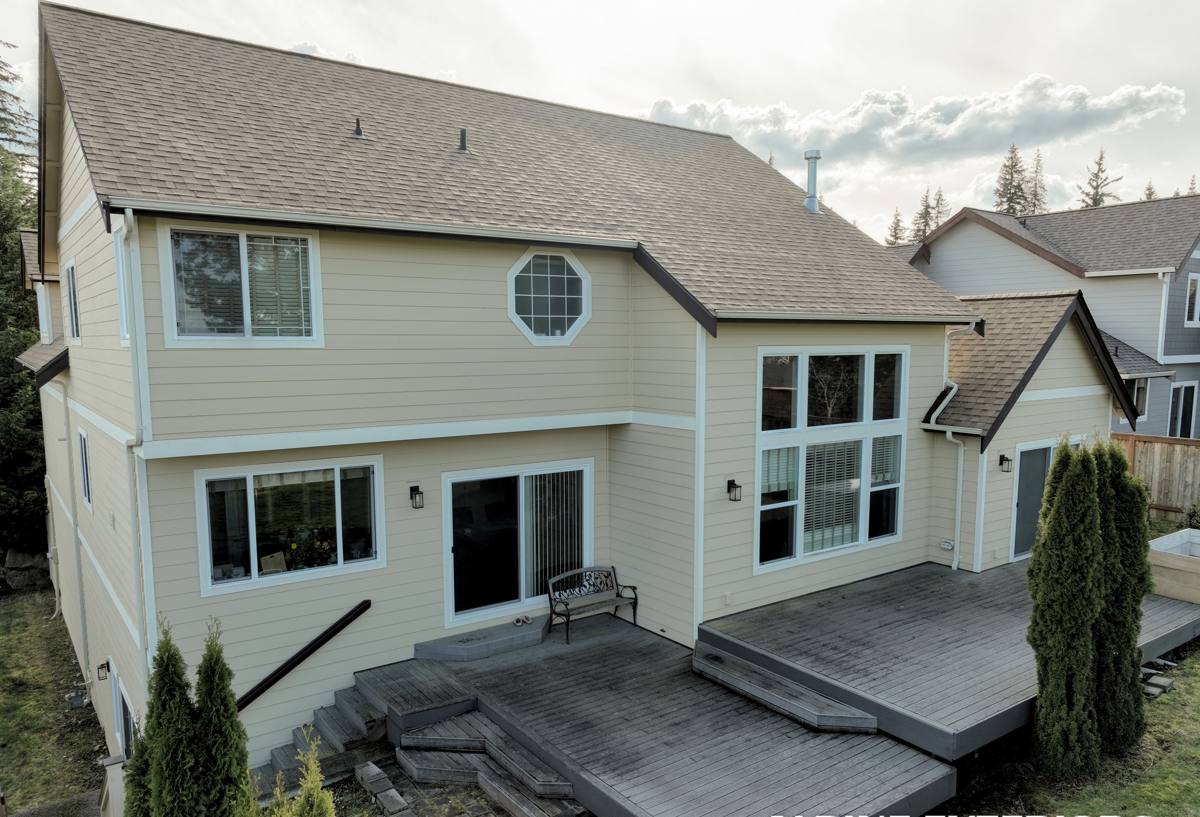
Why Belleair Decks Take a Beating
Salt Air and Metal Fatigue
Airborne salt accelerates corrosion on anything metal — nails, screws, joist hangers, bolts, railing brackets. Once a fastener starts to rust, it loses grip strength long before it looks visibly damaged. This is one of the most common hidden failure points we find when we open up a deck for repair.
UV Exposure Year-Round
Florida sun doesn't take a season off. Constant UV breaks down the lignin in wood fiber and dries out the surface, leading to graying, splintering, and checking (surface cracking) on wood decking. It also degrades the outer shell of some composite products over time, especially on boards facing full south or west sun.
Wind-Driven Rain and Humidity
Rain that comes in sideways during storms finds its way into joints, fastener holes, and the ledger board connection where the deck attaches to the house. Combined with Pinellas County's humidity, that trapped moisture is what causes rot, not the occasional rainstorm itself.
Hurricane-Force Wind Loads
Decks are pushed and pulled by wind far more than most homeowners realize — railings act like sails, and an elevated deck surface can experience real uplift force during a tropical system. Connections that were adequate when the deck was built may not meet what current code and current storm exposure actually demand.
Common Deck Repair Issues We See in Belleair
- Corroded or failing fasteners and joist hangers, even when the wood around them looks sound
- Soft or spongy decking boards from trapped moisture, often near planters, grills, or shaded areas
- Rot at the ledger board where the deck meets the house — a structural connection point, not cosmetic
- Loose, wobbly, or undersized railings and posts that no longer meet current wind and load expectations
- Cupping, splitting, or graying on wood decking from sun and moisture cycling
- Cracked or delaminating composite boards, usually from a manufacturing defect or improper original installation rather than normal wear
- Undersized or corroded footings and post bases on ground-level and low-elevation decks
Structural Repair Comes First
A deck repair that only replaces surface boards but ignores the framing underneath is a repair that will need to be done again soon. Before we touch decking, we check the parts of the deck that actually hold it up:
- The ledger board connection to the house, including flashing that keeps water from getting behind it
- Joists and beams for rot, insect damage, or undersized spans
- Post bases and footings for movement, corrosion, or inadequate embedment
- Fasteners and connectors for corrosion-grade material appropriate to a coastal environment
- Railing posts for secure attachment, since a loose railing is a safety issue, not just a cosmetic one
Once the structure is confirmed sound — or repaired until it is — we move to decking, railings, and finish work. This order matters. It's the difference between a repair that lasts and one that's cosmetic.
Wood or Composite: What Makes Sense for a Repair
When we're repairing an existing deck, the right material choice depends on what's already there, how much of the deck needs to be replaced, and how the homeowner wants to maintain it going forward. Both wood and composite can hold up well in Belleair's climate when installed and fastened correctly — the trade-offs are more about maintenance and long-term behavior than one being simply "better."
| Factor | Pressure-Treated Wood | Composite Decking |
|---|---|---|
| Upfront repair cost | Generally lower | Generally higher |
| Maintenance | Periodic sealing/staining needed to resist UV and moisture | Minimal; occasional washing |
| UV fading behavior | Grays over time unless refinished | Fades slightly, more consistent, capped boards resist it best |
| Moisture response | Can rot if not sealed and ventilated properly | Won't rot, but poor-quality cores can absorb moisture at cut edges |
| Matching existing deck | Easier to blend into an existing wood deck | Harder to match discontinued composite lines exactly |
| Fastener sensitivity | Standard coated or stainless fasteners work well | Requires manufacturer-specified clips/fasteners to avoid warranty issues |
We won't push a homeowner toward a full composite replacement just to sell a bigger job when a targeted wood repair will genuinely hold up. We'll tell you honestly which approach fits your deck's condition and your budget.
How We Handle Deck Repair in Belleair
1. On-Site Inspection
We walk the deck, check for soft spots, inspect the ledger connection and framing where accessible, and test railings and posts for movement. We look at fastener condition specifically, since corrosion here is often the real story behind a "wobbly" deck.
2. Honest Diagnosis
We tell you what's cosmetic, what's structural, and what's borderline. If a repair will only buy a year or two before bigger problems surface, we say so rather than patching over it.
3. A Written Scope
You get a clear plan covering what's being replaced, what fasteners and hardware grade will be used, and why — not a vague line item for "deck repair."
4. The Repair Itself
Structural work first, then decking, railings, and finish. We use corrosion-resistant fasteners appropriate for coastal exposure and follow manufacturer specs when composite material is involved, which matters for keeping any product warranty intact.
5. Final Check
We walk the finished deck with you, checking that railings are solid, boards are properly secured, and the structure feels the way a repaired deck should — tight, with no give underfoot.
Signs Your Belleair Deck Needs Attention Now
- Boards that feel soft, spongy, or flex noticeably when you step on them
- Visible rust streaking around screws, nails, or brackets
- A railing that moves when pushed, even slightly
- Gaps opening up where the deck meets the house
- Standing water that doesn't drain after rain
- Cracking, splitting, or delamination on composite boards
- Any visible daylight or gap at the ledger board connection
None of these mean the whole deck needs to be torn out. Most of the time, catching these early keeps the repair targeted and affordable instead of turning into a full rebuild.
Permits and Code Considerations in Pinellas County
Structural deck repairs — anything touching framing, ledger connections, footings, or railings — typically require a permit and inspection in Pinellas County. This isn't just paperwork: current code requirements around fastener corrosion resistance and railing attachment exist specifically because of the wind and moisture conditions coastal communities like Belleair deal with. A repair that skips permitting can leave you with work that doesn't hold up to inspection at resale, or worse, doesn't hold up in the next storm.
Why Local Experience Matters for This Repair
A crew that only occasionally works near the coast has to relearn these lessons on your deck. A crew that regularly works in Belleair and the rest of coastal Clearwater already knows which fasteners hold up, which connection details tend to fail first in this environment, and what local inspectors expect to see. That experience shows up in fewer callbacks and repairs that are built for the conditions your deck actually faces, not generic conditions from a manufacturer's spec sheet written for a different climate.
Keeping a Repaired Deck in Good Shape
A few simple habits go a long way in this climate:
- Rinse off salt residue and debris periodically, especially after storms
- Keep gutters and drainage clear so water isn't funneling onto the deck surface
- Reseal wood decking on a regular schedule rather than waiting until it visibly grays
- Check railings and fasteners for movement or rust once or twice a year
- Trim back vegetation that keeps boards shaded and damp for long stretches
If you're seeing soft spots, loose railings, or rust around your deck's hardware, it's worth having it looked at before the next storm season rather than after. We offer free, no-pressure estimates for deck repair in Belleair — fill out the form below and we'll take a look and give you an honest read on what your deck actually needs.