 Clearwater Roofing
 Siding That Has to Earn Its Keep in Belleair
Belleair sits close enough to the Gulf that its homes take a different kind of beating than houses even a few miles inland. Between the salt-laden air rolling off the water, the wind-driven rain that comes sideways during a summer storm, and sun exposure that runs nearly year-round in Pinellas County, exterior siding here ages faster than the manufacturer's glossy brochure photos suggest — unless it's the right material, installed the right way. We install James Hardie fiber cement siding exclusively, and Belleair is exactly the kind of coastal environment that explains why.
This page is about one service in one place: James Hardie siding installation and replacement for homes in and around Belleair. Not a general siding overview, not a sales pitch for every product we could install — just what this climate actually does to a home's exterior, what a correct James Hardie installation looks like, and why the crew doing the work matters as much as the product itself.
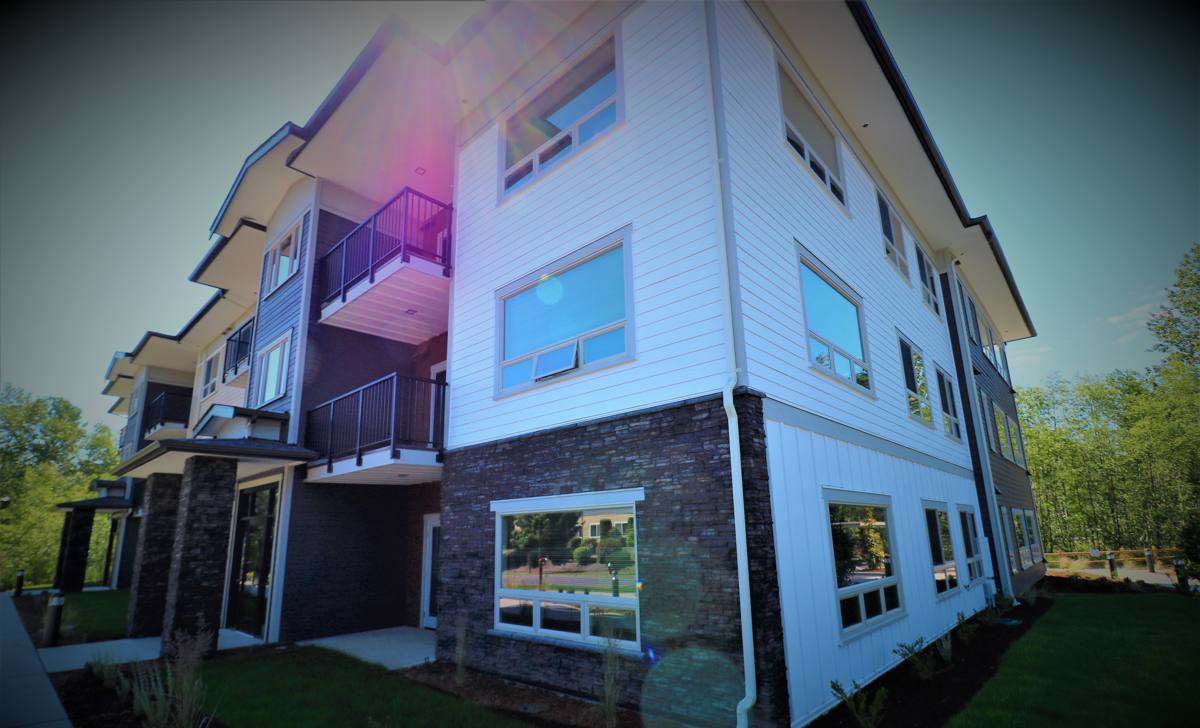
What Belleair's Coastal Climate Does to Exterior Siding
Salt Air and Corrosion
Proximity to the Gulf means airborne salt settles on everything, including siding, trim, and fasteners. Over years, that salt exposure accelerates corrosion in low-grade fasteners and speeds up the breakdown of coatings and caulk that weren't chosen for a marine-influenced environment. Siding materials and hardware that work fine in a drier, inland climate can visibly degrade faster in Belleair.
UV Exposure and Fading
Central Florida sees intense, close-to-overhead sun for most of the year. Paint and low-grade factory finishes chalk, fade, and lose adhesion under that kind of UV load — which is why the type of finish on a siding product matters as much as the substrate underneath it.
Wind-Driven Rain and Moisture
Pinellas County's storm pattern isn't gentle, straight-down rain. Wind pushes water sideways and up under laps, trim, and seams, which means the installation details — not just the product — determine whether water gets managed or gets trapped. A siding material that swells, delaminates, or wicks moisture at the edges will find every weak seam in a wind-driven rain event.
Hurricane-Force Wind Loads
Belleair is squarely in a hurricane-prone part of the state. Siding here needs to stay fastened and intact under sustained high wind and wind-borne debris, not just look good on a calm day. That's a fastening and product-engineering question as much as a material question.
Why James Hardie Is the Only Siding We Install
We don't install LP SmartSide, vinyl siding, Cemplank, Allura, or primed spruce or cedar. That's a deliberate standard, not an oversight. Each of those products has legitimate uses elsewhere, but for a coastal Gulf climate like Belleair's, we've found the trade-offs — moisture sensitivity in engineered wood products, heat distortion and brittleness in vinyl, inconsistent finish quality and warranty support in some fiber cement alternatives — aren't ones we're willing to put our name behind.
Non-Combustible, Climate-Engineered Fiber Cement
James Hardie siding is fiber cement: sand, cement, and cellulose fibers, not wood or vinyl. It doesn't burn, it doesn't attract termites, and it holds its shape in heat and humidity instead of warping or softening. James Hardie also engineers specific product formulations by climate zone — homes in Florida's humid, storm-prone HZ5 zone get a product line built for exactly these conditions, rather than a one-size-fits-all national product.
ColorPlus Factory Finish
Rather than relying on job-site painting, James Hardie's ColorPlus technology bakes a factory-applied finish onto the siding using a process built to resist fading and chipping better than field-applied paint. In a market with Belleair's UV exposure, that finish is doing real work, not just providing color.
A Warranty That's Actually Transferable
James Hardie backs its siding with a long-term limited warranty that's transferable to a new owner if the home sells — a detail that matters for resale, and one that's genuinely useful in a coastal market where buyers ask pointed questions about exterior condition.
What a Correct James Hardie Installation Actually Involves
The product only performs as designed if it's installed to manufacturer specification. This is where a lot of siding jobs — with any brand — quietly go wrong, because the mistakes aren't visible until years later.
- Proper starter strip and clearance from grade, decks, and roof lines so water has somewhere to go
- Correct fastener type, length, and spacing — coastal environments call for fasteners rated to resist corrosion
- Manufacturer-specified nailing patterns (blind or face nailing, as the product line requires)
- Proper overlap and gapping at butt joints, with sealant only where James Hardie specifies it
- Weather-resistant barrier and flashing installed correctly behind the siding, not just caulk relied on as the primary seal
- Correct clearance and flashing around windows, doors, and penetrations, where the majority of leaks originate
- Field-cut edges primed or sealed per manufacturer instructions to protect the cut fiber cement
Skipping or rushing any one of these doesn't usually cause an immediate, visible problem. It shows up two, five, or ten years later as a soft spot, a stain, or a warranty claim that gets denied because the installation didn't meet manufacturer requirements. That last point matters: James Hardie's product warranty can be affected by installation that doesn't follow their published specifications, which is one more reason installation quality isn't optional.
Comparing Siding Options for a Belleair Home
Homeowners comparing quotes often see very different materials proposed. Here's how the main options generally compare in a coastal Gulf climate like Belleair's.
| Factor | James Hardie Fiber Cement | Vinyl Siding | Engineered Wood (e.g. LP SmartSide) |
|---|---|---|---|
| Moisture behavior | Resists swelling and rot when installed correctly | Doesn't absorb water, but can warp or buckle | Wood-based core is vulnerable to moisture intrusion at damaged edges |
| Heat and UV resistance | Stable in heat; ColorPlus finish resists fading | Can soften, distort, or fade in intense, sustained sun | Finish can chalk and fade; heat doesn't affect the core much |
| Fire performance | Non-combustible | Combustible | Combustible (wood-based) |
| Wind performance | Engineered and rated for high-wind installation | Can crack or blow off in high wind if not correctly rated/installed | Performs adequately when new; degrades with moisture damage over time |
| Long-term maintenance | Low — occasional wash, periodic caulk check | Low, but visible fading and brittleness over time | Higher — moisture and edge sealing need ongoing attention |
| Warranty | Long-term, transferable limited warranty | Varies by manufacturer, often prorated | Varies; moisture damage often excluded |
This isn't a claim that every alternative product fails on Belleair homes — plenty of vinyl and engineered wood siding is out there performing fine. It's a statement of where we, as a company, decided our standard needed to be for a climate that doesn't forgive shortcuts.
Our Process for Belleair Siding Projects
1. On-Site Inspection and Assessment
We look at the existing siding condition, underlying sheathing, trim details, and any moisture damage before quoting anything. On a coastal property, what's happening behind the siding often matters more than what's visible from the street.
2. Product and Color Selection
We walk through the relevant James Hardie product line and ColorPlus color options for the home, factoring in HOA or neighborhood expectations where applicable and the sun exposure of each elevation.
3. Preparation and Removal
Old siding comes off, damaged sheathing gets identified and addressed before anything new goes up, and the weather-resistant barrier is installed or repaired. Covering up an existing moisture problem with new siding just delays and hides the damage.
4. Installation to Manufacturer Spec
Installation follows James Hardie's published fastening, clearance, and flashing requirements — not shortcuts that speed up the job but risk the warranty and the home's long-term performance.
5. Final Walkthrough
We review the finished work with the homeowner, check trim and caulk lines, and make sure everything meets both James Hardie's standards and our own before calling the job done.
What Affects the Cost of a James Hardie Project in Belleair
| Cost Factor | Why It Matters |
|---|---|
| Home size and elevation count | More square footage and more complex rooflines mean more material and labor |
| Existing siding removal and disposal | Tear-off adds labor, especially with multiple layers of old material |
| Sheathing or framing repair | Any rot or moisture damage found during removal needs to be fixed before new siding goes on |
| Product line selected | James Hardie offers different plank, panel, and shingle-style profiles at different price points |
| Trim and architectural detail | Corner boards, window trim, and decorative elements add labor time |
| Color and finish | Standard ColorPlus colors versus premium or custom options can affect pricing |
We don't publish flat per-square-foot pricing because these variables genuinely change the number from one Belleair home to the next — a walkthrough and written estimate is the only honest way to price it.
Why a Crew That Already Works in Belleair Matters
Siding work in a coastal Pinellas County community isn't identical to siding work fifty miles inland. A crew that regularly works in and around Belleair already understands the wind exposure differences between an open, water-facing elevation and a more sheltered one, has a feel for the permitting expectations in this part of the county, and isn't guessing at how the local HOA or architectural review process typically handles siding color and material changes. That familiarity shows up in fewer surprises during the project, not just in the finished look.
Protecting the Investment After Installation
- Rinse siding periodically to remove salt residue and airborne debris, especially on Gulf-facing elevations
- Inspect caulk lines around windows, doors, and trim annually and touch up before small gaps become leak points
- Keep sprinklers and irrigation from spraying directly on siding long-term, which can cause mineral staining
- Trim vegetation back from siding to allow airflow and reduce trapped moisture
- Address any impact damage from storms or debris promptly rather than letting it sit exposed
James Hardie siding installed correctly and maintained with basic upkeep like this is built to handle what Belleair's climate delivers year after year — but no siding product is entirely maintenance-free, and a little attention goes a long way toward getting the full lifespan out of the investment.
If you're weighing a siding project for a Belleair home, we're happy to walk the property, look at what's actually going on with the current exterior, and put together a straightforward, no-pressure estimate — just fill out the form below.