 Clearwater Roofing
 Why Belleair Roofs Wear Out Differently Than Roofs Inland
Belleair sits close to the water on the Pinellas County peninsula, and that location shapes what a roof here has to survive. It isn't just heat and rain — it's the combination of salt-laden air, near-constant UV exposure, and the real risk of hurricane-force wind events that separates coastal Pinellas roofing from what you'd deal with in a landlocked county. A roof replacement done right in Belleair accounts for all of that from the first material choice to the last nail pattern, not just the parts a homeowner can see from the street.
We work on homes throughout Clearwater and the surrounding Pinellas communities, and Belleair's roofs consistently show the same pattern: shingles that look "fine" from the ground but have lost their granule coating and seal strength years before their rated lifespan, because the sun and salt exposure here are simply harder on roofing materials than the national averages most shingle warranties are written against.
The Four Forces at Work
- UV exposure — Florida's sun angle and year-round intensity break down asphalt oils and shingle adhesives faster than in most of the country, leading to granule loss and brittleness.
- Wind-driven rain — Storms here rarely fall straight down. Rain gets pushed sideways under wind pressure and finds any gap in flashing, underlayment laps, or fastener seals.
- Salt air — Proximity to the Gulf and Intracoastal means airborne salt accelerates corrosion on exposed metal — nails, flashing, vent stacks, and fasteners — unless corrosion-resistant materials are specified.
- Hurricane-force wind — Pinellas County sits in a high-velocity hurricane zone, which drives specific code requirements for wind uplift resistance that a correct replacement has to meet, not just approximate.
Signs a Belleair Roof Needs Replacement, Not Another Repair
Repairs make sense when a roof has isolated damage on an otherwise sound system. Replacement becomes the honest recommendation when the underlying materials — the underlayment, the decking, the seal strength across the whole field — have aged out. Some signs point clearly toward replacement:
- Granule loss heavy enough that you can see bare, shiny patches on multiple slopes, not just one spot
- Shingles that have curled, cracked, or gone brittle across large sections rather than a single damaged area
- Repeated leaks in different locations after previous repairs — a sign the underlayment itself has failed
- Visible sagging in the roof deck, which points to moisture damage underneath the shingles
- A roof already at or past 18-20 years old, which is a realistic service life ceiling for asphalt shingles under Pinellas County sun and salt exposure, regardless of the manufacturer's rated lifespan
- Missing or lifted shingles after wind events, especially if it keeps happening in the same areas
If your roof shows one or two of these, a repair may genuinely be the right call — we'll tell you that when it's true. Replacement gets recommended when the pattern says the roof system as a whole is past the point where patching makes financial sense.
What an Honest Roof Replacement Actually Involves
A roof replacement isn't just stripping old shingles and nailing down new ones. Done correctly, it's a rebuild of the entire water-shedding system, and every layer matters for how the roof performs in the next tropical storm or hurricane season.
Tear-Off and Deck Inspection
Full removal of the existing roofing material down to the deck, followed by an inspection of the decking itself. Any wood that's soft, delaminated, or water-damaged gets replaced before anything new goes down — installing new roofing over a compromised deck just hides the problem and shortens the life of the new roof.
Underlayment
This is the roof's real second line of defense against wind-driven rain, and it matters more in Belleair than in drier inland climates. We install a synthetic or self-adhering underlayment rated for high-wind, wind-driven-rain conditions, with special attention to valleys, eaves, and roof-to-wall transitions where water intrusion actually happens.
Flashing
Flashing around chimneys, vent stacks, skylights, and wall intersections is where the majority of roof leaks originate — not in the open field of shingles. Correct replacement means new flashing, not reusing old pieces, and corrosion-resistant metal given the salt air exposure this close to the coast.
Fastening and Wind Uplift
Nail pattern and fastener count are governed by Florida Building Code wind zone requirements for this part of Pinellas County, and they're not optional upgrades — they're the baseline for a code-compliant install. Correct nailing is also one of the most common places corners get cut on a rushed job, and it's invisible once the roof is finished, which is exactly why it matters who's doing the work.
Ventilation
Proper attic ventilation keeps shingle temperatures down and moisture out, both of which extend the life of the new roof. A replacement is the right time to correct any ventilation shortfalls in the existing system rather than leaving them in place.
Choosing Materials for a Coastal Pinellas Climate
There's no single "best" roofing material for every home — the right choice depends on your home's structure, your budget, your home's architectural style, and how long you plan to stay in it. Here's how the common options compare for a coastal Belleair property specifically:
| Material | Wind Performance | Salt Air / Corrosion Resistance | Typical Lifespan Here |
|---|---|---|---|
| Architectural asphalt shingle | Good, with high-wind rated products and correct fastening | Fine with corrosion-resistant flashing and fasteners | 15-20 years under Pinellas UV/salt exposure |
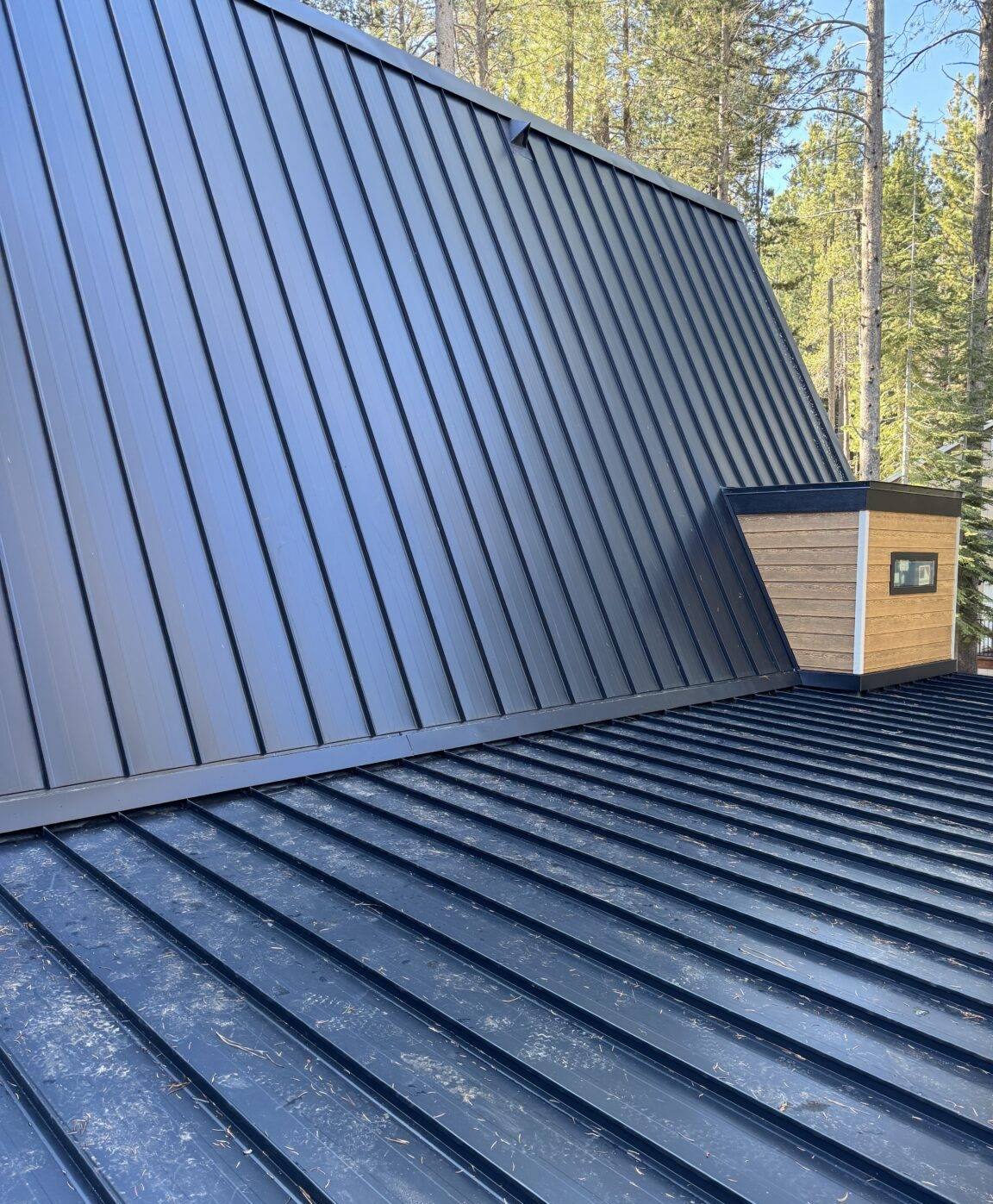
| Metal (standing seam) | Excellent uplift resistance when properly installed | Very good with coastal-grade coatings and fasteners | 30-45+ years |
| Concrete/clay tile | Very good, but individual tiles can dislodge in extreme wind if fastening is substandard | Excellent — tile itself doesn't corrode | 30-50 years for the tile; underlayment usually needs replacement sooner |
We'll talk through these trade-offs honestly during your estimate — upfront cost, long-term maintenance, and how each option fits your home, rather than steering you toward whatever carries the highest margin.
Our Roof Replacement Process in Belleair
- Inspection and estimate — We assess the current roof, decking condition, ventilation, and any storm damage, and give you a straightforward written estimate with material options.
- Material selection — We walk through the trade-offs for your home and budget, no pressure toward the most expensive option.
- Permitting — We pull the required permit through the appropriate local building department before work begins. This isn't optional paperwork — it protects you as the homeowner and ensures the finished roof is documented and inspectable.
- Tear-off and deck repair — Full removal of old material, deck inspection, and replacement of any damaged sheathing.
- Underlayment and flashing installation — The layers that actually stop water intrusion, installed to current wind-driven-rain standards.
- New roofing installation — Installed to the fastening and wind uplift specifications required for this wind zone.
- Final inspection and cleanup — Site cleared of debris and nails, and the completed work is ready for the local building inspector's sign-off.
Permits, Wind Mitigation, and Insurance in Pinellas County
Pinellas County's building code requirements exist because this part of Florida sits in a high-velocity hurricane zone, and roof replacements have to be permitted and inspected accordingly. A permitted, code-compliant replacement also matters for two things beyond the roof itself:
- Wind mitigation inspections — A new roof installed to current code can improve your wind mitigation report, which insurers use to set windstorm premiums. We can't promise a specific discount, but the documentation from a correctly permitted job is what makes that conversation possible with your insurer.
- Insurance claims — If your replacement is tied to storm damage, permitted work with proper documentation is what insurance adjusters expect to see. Unpermitted work can complicate a claim or a future home sale.
Why a Crew That Already Works in Belleair Matters
Belleair has its own mix of home styles, lot layouts, and in many cases architectural review processes tied to its community character — a crew that's already worked in the area knows how to navigate that without it becoming a delay on your project. Local experience also means we already understand the wind zone requirements, the county permitting process, and the specific climate stresses — salt air, storm exposure, mature tree canopy in parts of the area — that a roofer coming from outside the region might not account for on the first try.
It also means accountability. A local crew is one you can reach next year if a question comes up, not a company that worked the area for one storm season and moved on.
What Roof Replacement Typically Costs — and What Drives the Range
Every roof is different, and we don't publish blanket prices because roof size, pitch, material choice, decking condition, and access all move the number. What we can tell you honestly is what drives the cost up or down:
| Factor | Effect on Cost |
|---|---|
| Roof size and number of facets/valleys | More material and more complex flashing work increases cost |
| Roof pitch | Steeper roofs require more safety setup and labor time |
| Decking condition | Rotten or delaminated sheathing found during tear-off adds material and labor |
| Material choice | Asphalt shingle is generally the lowest upfront cost; metal and tile cost more upfront but last longer |
| Ventilation upgrades | Adding or correcting attic ventilation during the job is efficient but adds line-item cost |
The only way to get an accurate number for your home is a real inspection — anything quoted without someone walking your roof is a guess.
Questions to Ask Before Hiring Anyone for a Roof Replacement
Belleair homeowners are frequently targeted by out-of-town crews after storm events, so it's worth being deliberate about who you hire, whether it's us or anyone else:
- Are they licensed to do roofing work in the state of Florida, and can they show you the license number?
- Are they pulling a permit for the job, or offering to skip that step?
- Do they carry general liability and workers' compensation insurance?
- Will they put the material, warranty terms, and scope of work in writing before any deposit is collected?
- Do they have an established local presence, or a P.O. box and an out-of-state phone number?
- Are they pressuring you to sign same-day, or giving you room to think it over?
If your Belleair home's roof is showing its age or storm wear, we're glad to take a look and give you a straight answer about repair versus replacement — no pressure, no inflated urgency. Use the form below to request a free estimate and we'll walk the roof with you.