 Clearwater Roofing
 Storm Damage Roofing for Belleair's Coastal Conditions
Belleair sits right up against Clearwater Harbor and the Intracoastal Waterway, which means homes here take a different kind of beating than roofs a few miles inland. The same water that makes this stretch of Pinellas County desirable also carries salt air that accelerates corrosion on fasteners, flashing, and vents. Add in the wind gusts that come off the open water during tropical storms and hurricanes, wind-driven rain that finds its way under lifted shingles or tile, and roughly 230 days a year of strong Florida UV baking the surface, and you have a roof system that's under near-constant stress even when there's no named storm in the forecast. Storm damage repair in Belleair isn't just about patching what a single weather event broke — it's about recognizing how coastal exposure sets up a roof to fail faster once it's been compromised.
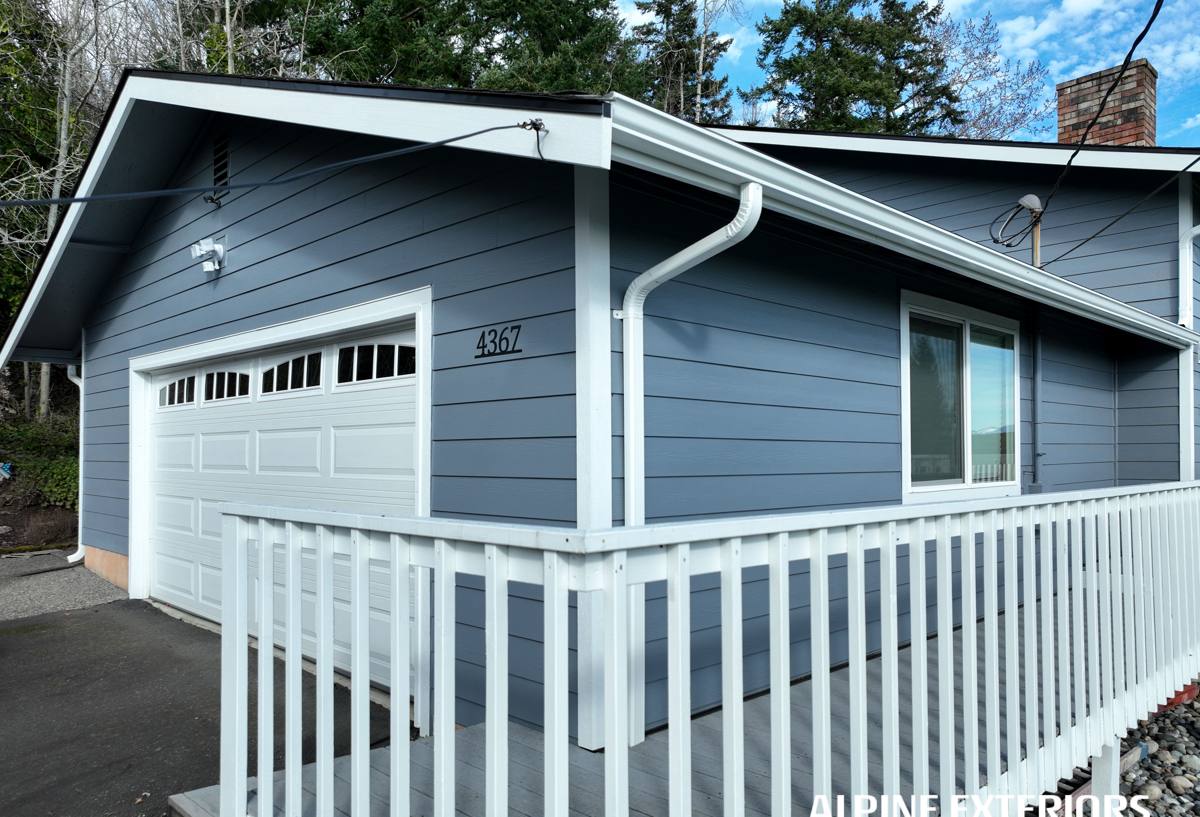
What Storm Damage Actually Looks Like on a Belleair Roof
Most homeowners think of storm damage as a missing shingle or a visible hole, but the damage that costs the most later is usually the kind you can't see from the ground. A proper inspection after wind or heavy rain looks at several distinct failure points, not just the obvious ones.
Wind Damage
Sustained coastal winds and gusts can lift shingle tabs, crack or slide roof tile, and loosen ridge caps without tearing anything off completely. A shingle that's been lifted and re-seated by the sun's heat can look fine but have a broken seal underneath, which means it will leak the next time wind drives rain sideways under it.
Wind-Driven Rain Intrusion
Belleair's exposure to open water means rain rarely falls straight down during a storm — it's pushed sideways, which forces water into gaps that would never leak in a calm rain. Vent boots, chimney flashing, wall step-flashing, and skylight perimeters are the most common entry points.
Granule Loss and UV Acceleration
Hail-free wind events still knock loose granules off asphalt shingles, and once that protective layer thins, Florida's UV exposure ages the underlying asphalt much faster. A roof that had 8-10 years of life left can lose several of those years in a single bad storm season.
Hidden Deck and Underlayment Damage
Water that gets past the roof covering but is caught by underlayment or decking may not show up as an interior leak right away. Over weeks, that trapped moisture can rot decking, feed mold growth in the attic, and quietly weaken the structure before anyone notices a ceiling stain.
Why Belleair's Housing Stock Needs a Careful Eye
Belleair is a long-established community with a mix of older homes and newer construction, many of them on lots close to the water. Older roof systems in this area were often built to codes and wind ratings that predate current Florida Building Code standards, which means a storm-damaged section may not tie into modern materials as cleanly as it would on a newer home. Waterfront and near-waterfront properties also tend to have more complex rooflines — dormers, multiple valleys, and additions built over time — which creates more flashing and transition points where storm damage tends to concentrate. A repair crew needs to recognize both the age of the underlying system and the complexity of the roofline before recommending a fix, rather than treating every job like a simple shingle swap.
Our Storm Damage Inspection and Repair Process
A rushed storm repair is one of the most common ways homeowners end up paying twice for the same roof. Our process is built to catch what a fast look from the ground will miss.
- Full roof and attic inspection. We check the roof surface, flashing, penetrations, and — when accessible — the attic side for moisture staining, so we're not just treating what's visible from the driveway.
- Photo documentation. Every area of damage is photographed and logged before any repair begins, which matters if you're filing an insurance claim and need a clear before-and-after record.
- Emergency mitigation if needed. If the roof is actively leaking or has exposed decking, we prioritize tarping or temporary sealing to stop water intrusion before scheduling the full repair.
- Written scope and estimate. You get a clear explanation of what's damaged, what needs to be repaired versus replaced, and why — in plain language, not vague line items.
- Repair using materials matched to your existing roof. Shingle color, tile profile, and flashing metal are matched as closely as possible so the repair doesn't stand out or create a mismatched weak point.
- Final walkthrough and follow-up. We confirm the repair with you and remain available if anything related to the repaired area comes up during the next heavy rain.
Insurance Claims: What Actually Helps Your Case
Wind and storm damage claims in coastal Pinellas County get scrutinized closely, and the difference between an approved claim and a denied one often comes down to documentation quality and timing. We don't handle your claim for you, but we provide the kind of inspection report and photo evidence adjusters expect to see.
| Documentation Approach | What It Typically Provides | Risk If Skipped |
|---|---|---|
| Same-week professional inspection | Dated, photo-backed record tied to the specific storm event | Adjuster may dispute whether damage is storm-related or pre-existing wear |
| Attic-side moisture check | Evidence of active intrusion, not just surface wear | Hidden leaks go undocumented until interior damage appears later |
| Written repair scope with itemized causes | Clear link between each repair line item and the storm damage | Vague estimates get challenged or partially denied |
| Temporary mitigation records (tarping, etc.) | Shows you took reasonable steps to prevent further damage | Insurers can reduce payout if damage worsened from inaction |
Repair or Replace? How We Help You Decide
Not every storm-damaged roof needs to be replaced, and not every roof can be safely patched. The right call depends on the roof's age, how widespread the damage is, and what condition the underlying deck is in once we open things up.
| Factor | Leans Toward Repair | Leans Toward Replacement |
|---|---|---|
| Roof age | Under 10-12 years, good remaining material life | Nearing or past manufacturer's expected lifespan |
| Extent of damage | Isolated to one slope or a few sections | Spread across multiple slopes or the whole field |
| Decking condition | Solid, dry decking under the damaged area | Soft, rotted, or repeatedly wet decking |
| Material availability | Matching shingle or tile is available | Discontinued material with no close match |
| Insurance scope | Adjuster approves a repair-scope claim | Adjuster approves a full-roof replacement claim |
We'll tell you honestly which side of that table your roof falls on. A repair that's cheaper today but leaves an aging roof patched together in three or four places usually costs more in the long run than one well-timed replacement.
What to Do Right After a Storm
The steps you take in the first day or two after a storm affect both the condition of your roof and the strength of any insurance claim. Here's a practical checklist for Belleair homeowners:
- Photograph any visible roof damage, downed debris, or interior water stains before cleaning anything up.
- Check the attic (if it's safely accessible) for new water spots, damp insulation, or daylight coming through the decking.
- Avoid walking the roof yourself, especially on tile — cracked tile is easy to cause and expensive to fix.
- Move furniture and belongings away from any active interior leak and place a container to catch dripping water.
- Call for a professional inspection promptly — the sooner damage is documented, the stronger your claim and the less chance of secondary water damage.
- Hold off on signing a full contract with anyone who shows up unannounced offering an on-the-spot deal — get an inspection and a written scope first.
Materials and Methods We Rely On
Given the salt air and UV load this area sees, we favor corrosion-resistant fasteners and flashing metals over cheaper alternatives that can start rusting within a few seasons near the water. Underlayment matters just as much as the visible roof covering — in wind-driven rain events, a quality synthetic or self-adhering underlayment at vulnerable points (valleys, eaves, penetrations) is often what actually keeps water out even after the top layer is compromised. When we repair flashing around chimneys, walls, and skylights, we rebuild the water path rather than just caulking over the gap, because sealant alone breaks down under UV exposure and is one of the most common causes of repeat leaks in this climate.
Why Local Experience in Belleair Matters
A roofing crew that regularly works in Belleair and the surrounding Clearwater area understands the wind exposure patterns specific to homes near the water, knows what local permitting and inspection requirements apply, and can respond faster when storm season creates a backlog of repair requests across Pinellas County. That local familiarity also means fewer surprises — we're used to matching materials on the mix of older and newer roofs found throughout the area, and we know which failure points show up most often on homes with this kind of coastal exposure. Storm damage repair isn't a one-size-fits-all service, and a crew with local reps has already seen how this specific stretch of coastline treats a roof over time.
Get a No-Pressure Roof Assessment
If your Belleair home has recent wind or storm damage — or you just want a professional set of eyes on your roof before the next system rolls through — we're glad to take a look. Fill out the form below for a free, no-obligation estimate and honest assessment of what your roof actually needs.