 Clearwater Roofing
 Clearwater Beach Is a Different Siding Job Than Anywhere Inland
Clearwater Beach sits out on a barrier island, which means every wall on every home here takes on conditions that inland Pinellas County houses simply don't deal with in the same combination. You've got direct Gulf of Mexico exposure, near-constant salt-laden air, intense UV that barely lets up across the calendar year, and — when a storm rolls through — hurricane-force wind driving rain sideways into every seam, joint, and fastener hole in the exterior wall. Any one of those on its own is manageable. All four working on a house at once, year after year, is what separates a beach-area siding job from a standard one.
This page is about one service, in one place: James Hardie fiber cement siding installed correctly on Clearwater Beach homes. Not a general siding overview — the specific climate problems this location creates, what a correct installation actually involves here, and why the crew doing the work matters as much as the material itself.
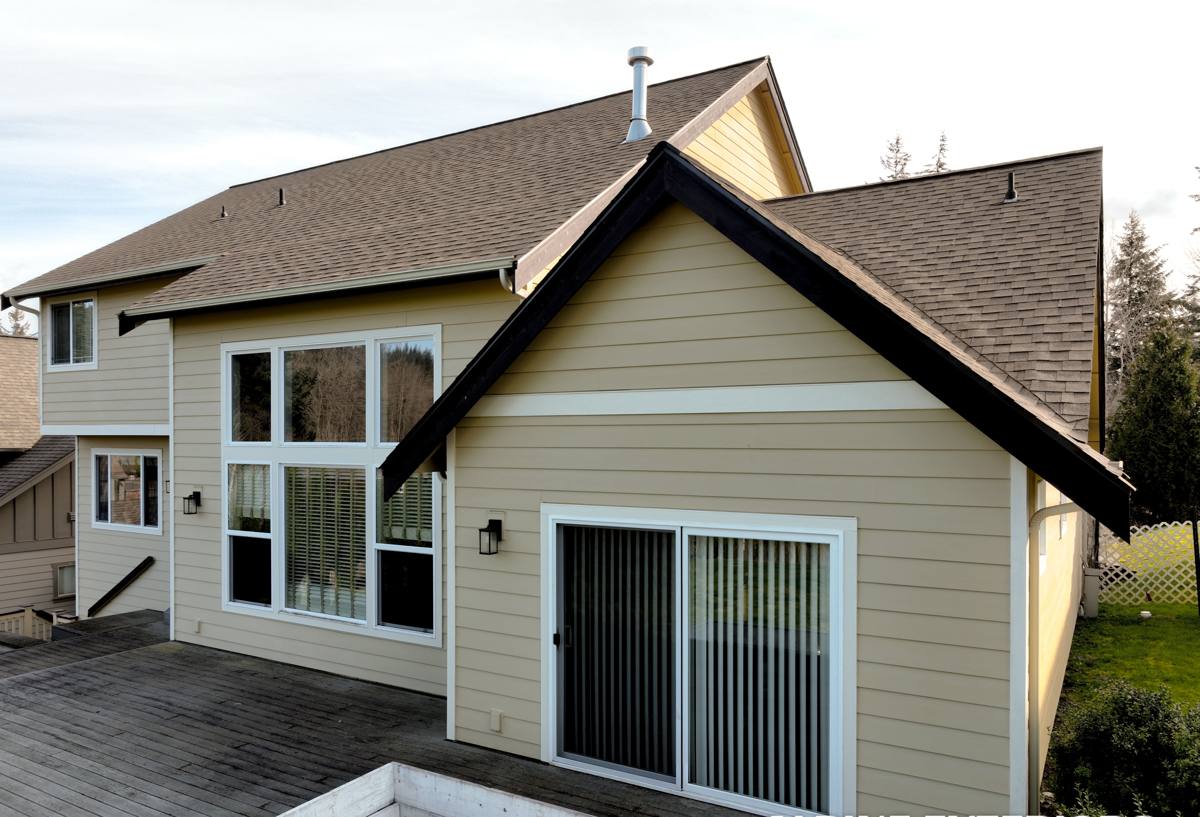
What Salt Air, Sun, and Wind-Driven Rain Actually Do to a Wall
Moisture Finds the Seams
Wind-driven rain doesn't fall — it gets pushed horizontally into laps, corners, and penetrations. On a barrier island, that's not an occasional storm event; it's a recurring stress test on every seam in the siding system. If a joint isn't detailed correctly, water gets behind the cladding, and once moisture is behind an exterior wall near the coast, humidity keeps it there longer than it would inland.
Salt Air Attacks Fasteners and Finishes
Airborne salt is corrosive to the wrong fastener and hard on paint film. Standard interior-grade fasteners and a basic paint job will show corrosion staining and finish breakdown faster this close to the Gulf than they would even a few miles inland.
UV Load Fades and Chalks Unprotected Surfaces
Clearwater's sun exposure runs close to year-round. Paint and coatings that aren't formulated for sustained UV chalk, fade unevenly, and need repainting on a shorter cycle than most homeowners expect when they first budget for exterior maintenance.
Wind Load Tests Every Fastener
Hurricane-force gusts put real pull and shear on siding panels. Under-fastened or improperly spaced panels are the ones that rattle loose, crack at the edges, or blow off outright when a storm finally tests them.
Why We Standardized on James Hardie for This Location
We install James Hardie fiber cement siding exclusively — we don't install vinyl, LP SmartSide, Cemplank, Allura, primed spruce, or cedar. That's a deliberate professional standard, not a sales pitch, and on a barrier island property it matters more than most places. Fiber cement is non-combustible, dimensionally stable in humidity swings, and Hardie's HZ5 formulation is specifically engineered for high-moisture, high-humidity climates like ours rather than being a one-size-fits-all national product. The factory-applied ColorPlus finish is baked on under controlled conditions, which gives it a UV and fade resistance that field-applied paint struggles to match — directly relevant given how much sun this house is going to see. Hardie also backs the product with a strong transferable warranty, which matters on a coastal home where buyers and appraisers pay close attention to exterior condition and documentation.
We're not going to tell you other products are junk — vinyl is inexpensive and easy to source, wood has genuine appearance appeal, and engineered wood panels have their fans. But every one of those materials asks you to accept a trade-off — heat distortion, moisture sensitivity, repainting cycles, insect vulnerability — that we don't think is a smart bet directly on the Gulf. That's why our trucks only carry Hardie product.
How Coastal-Exposure Siding Materials Compare
| Material | Salt Air / Humidity | Wind-Driven Rain at Seams | UV / Color Stability |
|---|---|---|---|
| James Hardie fiber cement (ColorPlus) | Non-combustible, dimensionally stable, HZ5 formulated for humid climates | Engineered lap and joint system when installed to spec | Factory-baked finish resists fading and chalking |
| Vinyl | Doesn't rot, but can warp or distort under sustained heat | Relies heavily on gap and fastener tolerances | Field color fades and can become brittle over time |
| LP SmartSide / engineered wood | Wood-based core is sensitive to sustained moisture exposure | Cut edges and seams need diligent sealing and upkeep | Requires field-applied coating maintenance |
| Untreated wood / cedar | Natural material, most exposure-sensitive of the group | Highest maintenance demand at joints and end grain | Needs the most frequent refinishing in full sun |
What a Correct Installation Involves This Close to the Beach
Hardie siding performs the way it's supposed to only when it's installed to manufacturer specification — and on a barrier island home, the installation details matter even more than usual.
- Correct clearances from grade, roofline, decks, and other penetrations, per Hardie's published installation requirements
- A properly lapped and sealed weather-resistive barrier behind the siding, not just the cladding itself
- Flashing at every window, door, and roof intersection, detailed to shed wind-driven rain rather than trap it
- Corrosion-resistant fasteners suited to coastal exposure, placed at the pattern and spacing the manufacturer specifies for the wind zone
- Factory-cut edges re-sealed in the field wherever panels are trimmed on site
- Caulking only where Hardie's guidelines call for it — not as a substitute for correct flashing and clearances
Skip or shortcut any one of those items and the siding can look fine for a year or two while moisture or wind problems build quietly behind it. This is installation-sensitive work, and the install matters as much as the product.
Our Process, From Estimate to Finished Wall
We start with an on-site walk of the exterior, looking at the existing siding, trim, and — where accessible — the wall assembly behind it, since a Gulf-front or near-beach home sometimes has moisture history that needs to be addressed before new siding goes on, not covered up by it. We talk through Hardie product lines, profiles, and ColorPlus color options that fit the house and the neighborhood. Old siding comes off — Hardie siding goes over a proper prepared wall, not over failing existing cladding — and any sheathing or framing issues we find get flagged and discussed before we close the wall back up. Installation follows manufacturer clearance, flashing, and fastening specifications throughout, and we walk the finished job with you before considering it done.
What Drives Cost on a Clearwater Beach Project
Every home is different, so we won't quote a number here — but these are the factors that actually move a Clearwater Beach siding estimate up or down:
| Factor | Why It Matters |
|---|---|
| Condition behind the existing siding | Rot or moisture damage found during tear-off adds repair scope before new siding can go on |
| Home size and number of stories | More wall area and harder-to-access upper stories add labor and equipment time |
| Trim, corner, and architectural detail complexity | More cuts, corners, and transitions mean more fastening, flashing, and sealing detail work |
| Product profile and ColorPlus color selection | Different Hardie profiles and finishes carry different material costs |
| Site access | Barrier island lots, tight setbacks, and limited staging space can affect logistics and timeline |
Living With Hardie Siding in a Salt-Air Environment
Correctly installed Hardie siding is genuinely low-maintenance compared to the alternatives, but "low-maintenance" doesn't mean "no attention needed" this close to the Gulf. A little seasonal attention protects the investment:
- Rinse salt residue and airborne grime off the siding periodically, especially on Gulf-facing walls
- Do a visual check of caulked joints once a year and have any gaps or cracking addressed promptly
- Watch for streaking or staining below roof valleys and gutters, which usually points to a drainage issue rather than a siding problem
- Keep landscaping and irrigation heads from spraying directly on the siding or holding moisture against the base of the wall
- Have fastener heads and trim joints checked after any major storm event
Why a Crew That Already Works Clearwater Beach Matters
Coastal Pinellas County properties fall under Florida Building Code wind provisions written for wind-borne debris regions, and a barrier island location adds its own layer of permitting and access considerations on top of that. A crew that already works this specific area knows those requirements going in, knows how salt air and sun actually behave on a wall over time — not just on paper — and isn't learning barrier island logistics on your project. That familiarity shows up in fewer surprises, correctly detailed work the first time, and a crew that treats your Gulf-front exposure as the standard job it is for them, not an unusual one.
If you're weighing siding options for a Clearwater Beach home, we're happy to walk the exterior with you, talk through what we see, and put together a free, no-pressure estimate — no obligation, just a straight look at what your house needs.