 Clearwater Roofing
 New-Construction Windows for Coachman Ridge Homes
Whether you're building new, adding a room, or gutting a house down to the studs in Coachman Ridge, the windows you install now are part of the structure — not an afterthought bolted in later. Clearwater sits in Pinellas County, where hurricane-force wind events, intense year-round UV exposure, wind-driven rain, and salt air are simply part of owning a home. Windows installed correctly at the framing stage are one of the biggest factors in whether a house stays dry, holds its energy efficiency, and passes inspection without a fight. We install new-construction windows for homeowners, builders, and remodelers working in and around Coachman Ridge, and we treat the framing and flashing details as seriously as the glass itself.
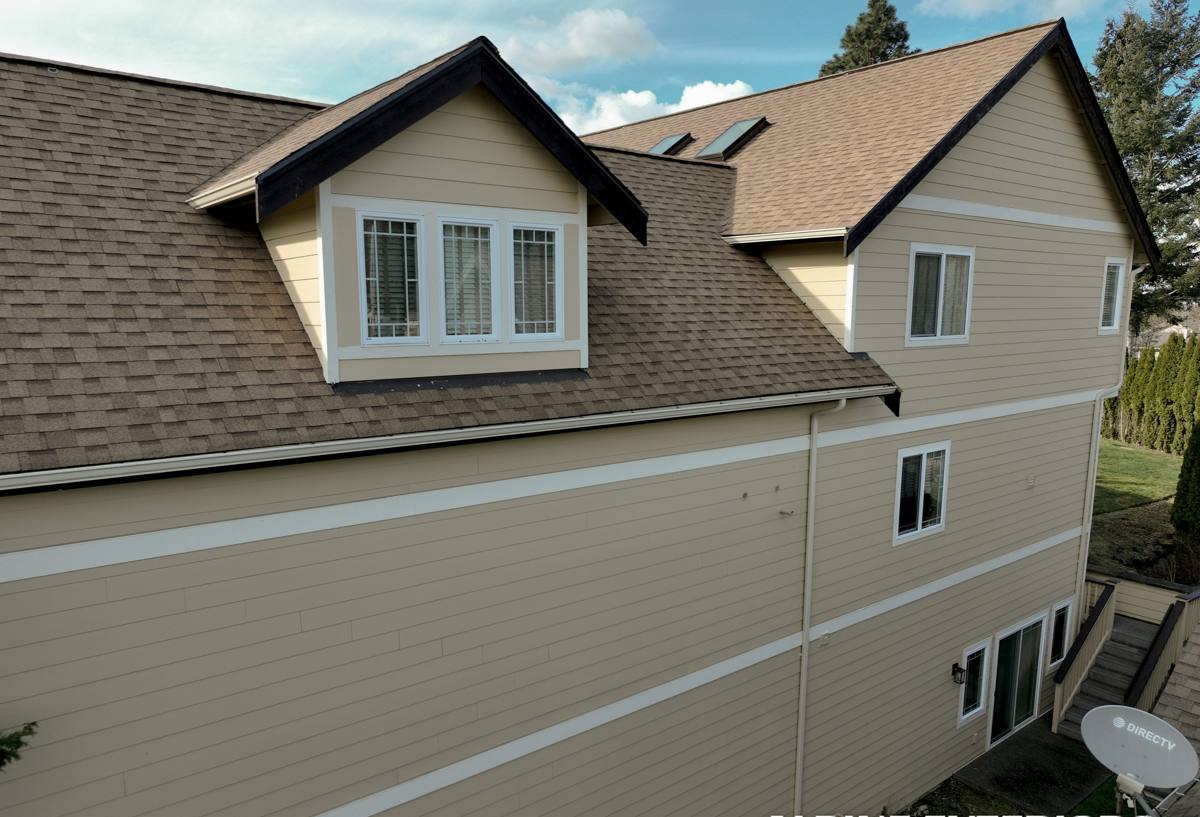
New-Construction vs. Replacement: Why the Distinction Matters
"New-construction" isn't a marketing term — it describes a specific type of window and a specific installation method. A new-construction window has a nailing fin around its perimeter that gets fastened directly to the wall framing before the exterior finish (stucco, siding, or brick veneer) goes on. That's different from a retrofit or "insert" replacement window, which is sized to slide into an existing frame without disturbing the surrounding wall.
When This Applies
- Ground-up new home construction
- Room additions and second-story additions
- Full gut renovations where exterior walls are opened to the studs
- Lanai, porch, or garage conversions that add new exterior wall openings
- Rebuilds following storm or fire damage where framing is exposed
If your project doesn't involve opening the wall down to framing, a retrofit window is usually the better fit — it's less invasive and doesn't require redoing exterior finish around the opening. We'll tell you honestly which category your project falls into before we quote it, because using the wrong window type for the job creates water intrusion problems down the line.
What Coachman Ridge Homes Are Up Against
Pinellas County's climate is hard on building envelopes, and windows are one of the first components to show it. A few things we account for on every job:
Hurricane and Straight-Line Wind Loads
Windows have to resist both direct wind pressure and the debris that wind can throw at a wall during a storm. The frame, the anchoring into the studs, and the glazing all have to work together as a system — a strong frame with poor fastening, or good glass in a weak frame, both fail the same way.
Wind-Driven Rain
Florida storms don't just drop rain — they push it sideways, often hard enough to force water past gaps that would never leak in a normal rainstorm elsewhere. This is a flashing and sealant problem as much as a window problem, which is why installation detail matters as much as the product itself.
Year-Round UV Exposure
Constant sun exposure breaks down vinyl, degrades weatherstripping, and fades interior finishes near windows faster than in most parts of the country. Glass packages with the right Low-E coating make a real difference in both comfort and how long the window looks new.
Salt Air
Coachman Ridge isn't beachfront, but Pinellas County's coastal air still carries salt that accelerates corrosion on hardware, screws, and lesser-grade metal components over time. We spec fasteners and hardware with that in mind rather than using whatever ships in the box.
Code Requirements You Need to Know About
Clearwater falls within areas of Florida's windborne debris region under the Florida Building Code, which means new construction and additions typically require windows that are either impact-rated or paired with code-compliant shutter protection — the exact requirement depends on your specific address, wind speed line, and building exposure category. Windows also need a valid Florida Product Approval (an "FL number") and a Design Pressure (DP) rating that meets or exceeds what your local building department requires for the wall location. Your permitting office reviews these against the plans before issuing a permit, so guessing isn't an option.
Energy code compliance is the other half of it — Florida's energy code sets limits on U-factor (how much heat transfers through the glass) and SHGC (solar heat gain coefficient). Meeting those numbers isn't optional on new construction, and the right glass package does double duty: code compliance and a lower cooling bill in a climate where AC runs most of the year.
What a Correct Installation Actually Involves
A window that's the right product but installed poorly will still leak. The details that separate a correct new-construction install from a problem waiting to happen:
- Rough openings framed to the exact size and squareness the window manufacturer specifies
- A sill pan flashing that directs any water that does get past the window back outside the wall assembly, not into it
- Proper integration with the weather-resistant barrier (house wrap or felt) using correct flashing tape sequencing — this is where most water intrusion failures actually originate
- Nailing fins fastened at the schedule and fastener type specified for the window's tested design pressure rating
- Continuous, compatible sealant at all penetrations — not just a bead around the trim
- Shimming that supports the frame without distorting it, so the sash operates correctly for the life of the window
- Coordination with stucco, siding, or trim crews so the exterior finish laps correctly over the flashing, not under it
Choosing Frame Material and Glass Package
There's no single "best" window for every Coachman Ridge project — the right choice depends on budget, the wall assembly, and how exposed the elevation is to weather. Here's how the common options generally compare in this climate:
| Frame Material | Wind/Impact Performance | Salt-Air Durability | Maintenance | Typical Cost Tier |
|---|---|---|---|---|
| Vinyl (impact-rated) | Strong when properly reinforced | Good — won't corrode | Low | Moderate |
| Aluminum | Strong, common in coastal construction | Good with quality hardware and finish | Low to moderate | Moderate to higher |
| Fiberglass | Strong, dimensionally stable in heat | Very good | Low | Higher |
| Wood/wood-clad | Depends on cladding and glazing package | Requires more upkeep near salt air | Higher | Higher |
For most new-construction projects in this area, impact-rated vinyl or aluminum with a Low-E glass package hits the right balance of code compliance, upfront cost, and long-term maintenance. We'll walk through the trade-offs for your specific project rather than steering everyone toward one product line.
Our Process, Start to Finish
New-construction window work touches the building schedule directly, so timing and coordination matter as much as the install itself.
- Site visit and consultation. We look at the plans (or the framed openings, if walls are already up) and talk through what the project needs.
- Product and glass package selection. We recommend options that meet the required DP rating and energy code for your walls, and explain the real differences between them.
- Measuring and ordering. Rough openings are verified against the manufacturer's specs before anything is ordered.
- Permitting. We work within the local permit process so the window package is documented and approved before or alongside installation.
- Installation. Framing, flashing, fastening, and sealing are done to the manufacturer's tested installation instructions — not shortcuts.
- Inspection. New-construction window work is typically inspected before exterior finish covers it up. We schedule around that, not around convenience.
If you're working with a general contractor or builder on the project, we coordinate directly with them so the window install lines up with framing, wrap, and stucco or siding sequencing instead of holding up the job.
Why a Crew That Already Works Coachman Ridge Matters
Window installation rules aren't identical everywhere — wind speed lines, exposure categories, and permitting expectations vary by jurisdiction and even by specific site conditions. A crew that regularly works in and around Coachman Ridge and greater Clearwater already knows what the local building department expects to see on plans, what inspectors check for on a rough-in, and how homes in this part of Pinellas County typically need to be detailed for wind and water. That familiarity shows up as fewer surprises, fewer re-inspections, and a window installation that's built for the conditions it actually has to withstand — not a generic install.
Before You Sign: A Practical Checklist
- Ask for the window's Florida Product Approval (FL) number and confirm it matches what's on the permit application
- Confirm the quoted Design Pressure rating meets or exceeds what your building department requires for your wall location
- Get the U-factor and SHGC numbers in writing to confirm energy code compliance
- Verify the contractor is licensed and insured, and ask who pulls the permit
- Ask specifically how sill pan flashing and weather-resistant barrier integration will be handled — not just "we'll seal it"
- Clarify who coordinates the installation timing with your framing, stucco, or siding crew if you're using separate contractors
If you're planning new construction, an addition, or a full-frame window replacement in Coachman Ridge, we're glad to walk the project with you and give you a straightforward, no-pressure estimate. Fill out the form below and we'll follow up to schedule a time that works.