 Clearwater Roofing
 Storm Damage Roof Repair for Coachman Ridge Homes
Coachman Ridge sits inland from the coast but that doesn't buy much protection from what Pinellas County weather throws at a roof. Hurricane-force wind gusts, sideways summer downpours, and the occasional hailstone all reach this neighborhood the same way they reach anywhere else in Clearwater. What changes house to house is how well the roof was built and maintained before the storm hit, and how quickly it gets a proper repair afterward. This page covers what storm damage repair actually involves for homes in this area, so you know what to expect if a system rolls through and your roof takes a hit.
Storm damage repair is a different job from routine roof maintenance. It starts with an assessment that has to happen fast, moves through temporary protection to stop a bad problem from becoming a worse one, and ends with a repair that's built to the same standard as new work — not a patch that fails in the next storm.
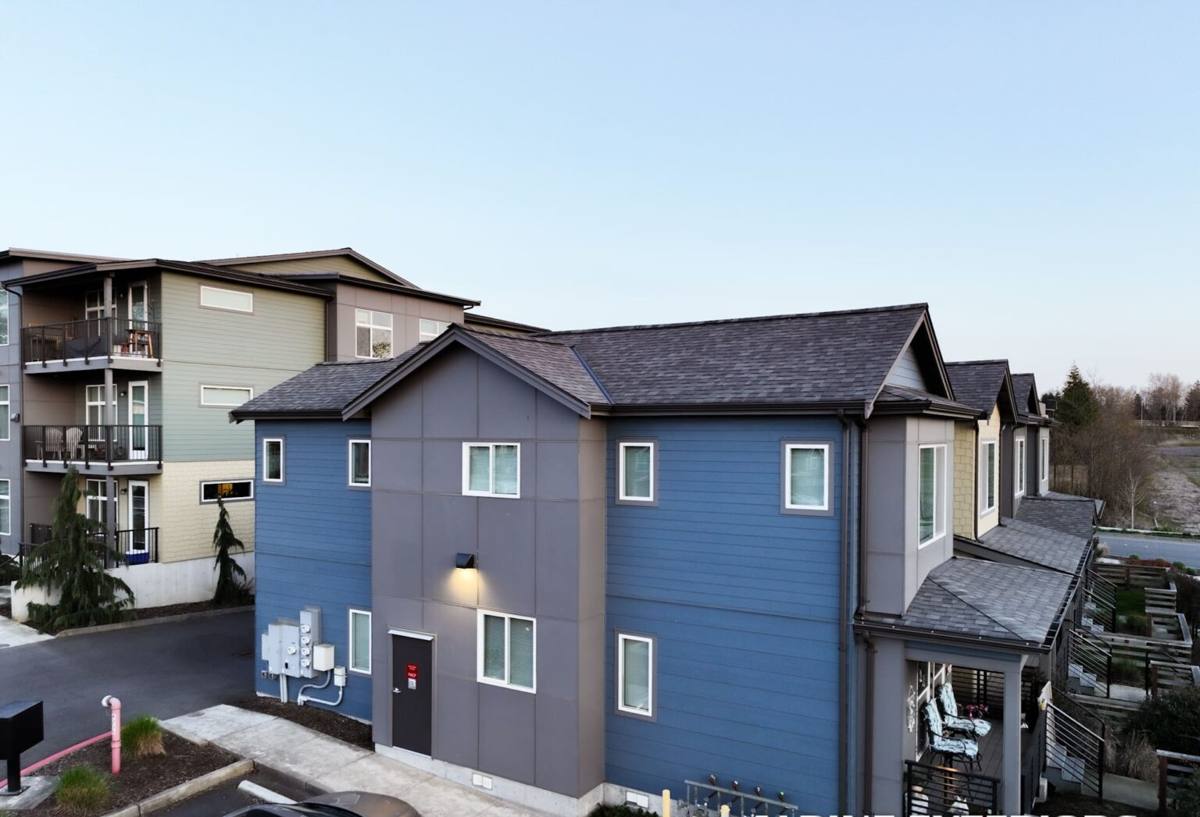
Why Coachman Ridge Roofs Take the Damage They Do
A few things are working against roofs in this part of Clearwater at the same time, and it's worth understanding them before we get into the repair itself.
Wind
Tropical systems and the straight-line wind that comes ahead of summer storm fronts both put uplift pressure on a roof, especially at the edges, ridges, and any spot where flashing or fasteners have already loosened. Once wind gets under a single shingle or a lifted piece of underlayment, it doesn't take much more to peel back a larger section.
Wind-driven rain
Florida rain rarely falls straight down during a storm. When it's coming in sideways at speed, it finds every gap a calm-weather rain would never reach — nail holes, lifted shingle tabs, hairline cracks in old flashing. That's how a roof can look mostly intact from the ground and still be leaking into the attic.
Year-round UV exposure
Between storms, the sun is doing its own damage. Constant UV exposure dries out asphalt shingles and breaks down sealant strips over time, which means roofs here are often more brittle and more prone to storm damage than the same age roof in a milder climate. A roof that's 12-15 years old in this area has usually absorbed a lot more UV stress than the calendar alone suggests.
Salt air
Clearwater's proximity to the Gulf means salt-laden air moves inland more than people expect, even away from the immediate waterfront. Salt accelerates corrosion on exposed metal — flashing, fasteners, vent stacks, drip edge — which is often the first point of failure when wind and rain team up during a storm.
What Storm Damage Actually Looks Like
Not all storm damage announces itself with a hole in the roof. Some of the most costly damage is the kind homeowners don't notice until it's already caused a leak inside.
- Missing, cracked, or curled shingles, especially near ridges, hips, and roof edges
- Lifted or torn shingle tabs where the sealant strip has failed
- Bent, lifted, or missing flashing around chimneys, skylights, and vent penetrations
- Dented or creased metal on vent caps, drip edge, or gutters
- Granule loss showing up as bare-looking patches or heavy grit in gutters and downspouts
- Soft spots or sagging in the roof deck felt underfoot during inspection
- Water stains on ceilings or in the attic that appeared after a storm, even a small one
- Debris impact marks — bruising or punctures from branches or wind-blown material
Some of these are visible from the ground with binoculars. Most require getting on the roof, and a few — like deck softness or granule loss patterns — really only show up to someone who inspects roofs for a living and knows what normal wear looks like versus storm damage.
Our Process for Storm Damage Calls in This Area
1. Fast assessment
After a storm, we prioritize calls based on active leaks and safety issues first. The inspection covers the full roof system — shingles or tiles, flashing, decking where accessible, and the attic interior — not just the section that looks obviously hit.
2. Emergency tarping when needed
If there's active water intrusion or exposed decking, the immediate move is to get the roof dried in with tarping or temporary sealing. This isn't the fix — it's what stops a manageable repair from turning into a rot, mold, or insulation replacement job while you're waiting on materials or an insurance decision.
3. Documentation
We document the damage with photos and a written scope before any repair work starts. This matters most if you're filing an insurance claim — an adjuster wants to see clear evidence of storm-caused damage versus pre-existing wear, and having that documentation ready speeds up the claim significantly.
4. The actual repair
Once the scope is clear, repair work follows the same standards we'd use on new installation — matched materials, correct fastening patterns, proper flashing details, and code-compliant underlayment where decking is exposed. A storm repair that's rushed or under-built is just next storm's damage waiting to happen.
5. Final walkthrough
We walk the completed repair with you, confirm the affected area is fully sealed and matched to the surrounding roof, and go over any maintenance notes specific to your roof type.
Repair vs. Replacement: How We Make That Call
Storm damage doesn't automatically mean a full replacement, and it doesn't automatically mean a quick patch job either. The right call depends on a few honest factors.
| Factor | Leans Toward Repair | Leans Toward Replacement |
|---|---|---|
| Roof age | Under 10-12 years, otherwise in good condition | Near or past expected service life for the material |
| Extent of damage | Isolated section — one slope, one flashing detail | Widespread across multiple slopes or the full roof |
| Decking condition | Solid, dry decking under the damaged area | Soft, delaminated, or water-damaged decking found |
| Prior condition | Roof was well-maintained before the storm | Storm exposed pre-existing wear that was already close to failing |
| Material availability | Matching shingles/tile still available | Discontinued product, visible mismatch likely |
We'll tell you plainly which category your roof falls into and why, including when a repair is the honest answer even though a full replacement pays more. A roof with 3-4 years of remaining service life doesn't need a new roof over a fixable wind repair.
Insurance Claims: What Homeowners in Coachman Ridge Should Know
Most storm damage repairs in this area involve an insurance claim, and a few things make that process go smoother.
- File the claim as soon as damage is discovered — most policies have a window, and delays can complicate coverage
- Get a professional inspection and written documentation before repairs begin, if it's safe to wait
- Keep receipts and photos of any emergency tarping or mitigation work — that's typically reimbursable
- Be present or have documentation ready for the adjuster's visit, and don't assume the adjuster caught everything a roofer would catch
- Understand your policy's distinction between wind/hail damage and general wear — insurers will deny claims for damage they attribute to age or lack of maintenance
We're not a public adjuster and we don't handle your claim for you, but we provide the kind of detailed, honest damage documentation that supports a legitimate claim — nothing inflated, nothing omitted.
Preventing the Next Storm From Doing the Same Damage
Once repairs are done, a few practical steps reduce how much damage the next storm causes:
- Have loose or aging shingles resealed or replaced before hurricane season, not after
- Trim back tree limbs that overhang the roofline — impact damage from debris is one of the most common storm claims we see
- Check and clear gutters regularly so wind-driven rain has somewhere to go instead of backing up under the roof edge
- Have flashing and vent boots inspected annually — these are usually the first failure point, not the shingles themselves
- Ask about impact-rated or higher wind-rated materials if you're due for a full re-roof anyway
Why a Local Crew Matters for This Kind of Work
Storm damage repair rewards local knowledge in a way routine roofing doesn't. A crew that already works in Coachman Ridge and the surrounding Clearwater neighborhoods knows the typical roof ages and construction styles in the area, knows which materials hold up and which don't in this specific combination of sun, salt, and wind, and — critically — can respond fast when a storm hits a whole neighborhood at once rather than being backed up with out-of-town crews working a wide radius.
Being local also means accountability. We're not driving in from out of the county to do a rush job and leave. If a repair needs a follow-up visit or the next storm reveals something missed, we're a short drive away, not a phone number that stops answering once the check clears.
Get a Free, No-Pressure Estimate
If your Coachman Ridge home has visible storm damage, a suspected leak, or you just want a roof checked out after a rough round of weather, we're glad to take a look. Fill out the form below for a free estimate — no pressure, no obligation, just an honest read on what your roof needs.