 Clearwater Roofing
 Composite Decking Built for Dunedin's Climate
Dunedin sits right on the Pinellas County coastline, and that location is exactly why a deck here has to be engineered differently than a deck in a landlocked state. Homes in this area deal with a combination most other regions never see all at once: hurricane-force wind events, intense year-round UV exposure, wind-driven rain that finds its way into any gap left in a build, and a steady drift of salt air off the Gulf that accelerates corrosion on anything metal. A composite deck that's installed correctly for these conditions can last decades. One that's installed with shortcuts — or with hardware and fasteners not rated for a coastal environment — will show problems within a few seasons, usually starting with fastener corrosion, board fading, or moisture trapped where it shouldn't be.
This page covers what a composite deck actually needs to hold up in Dunedin specifically, what a correct installation looks like from the ground up, and how we approach the job as a crew that already works in this part of Clearwater.
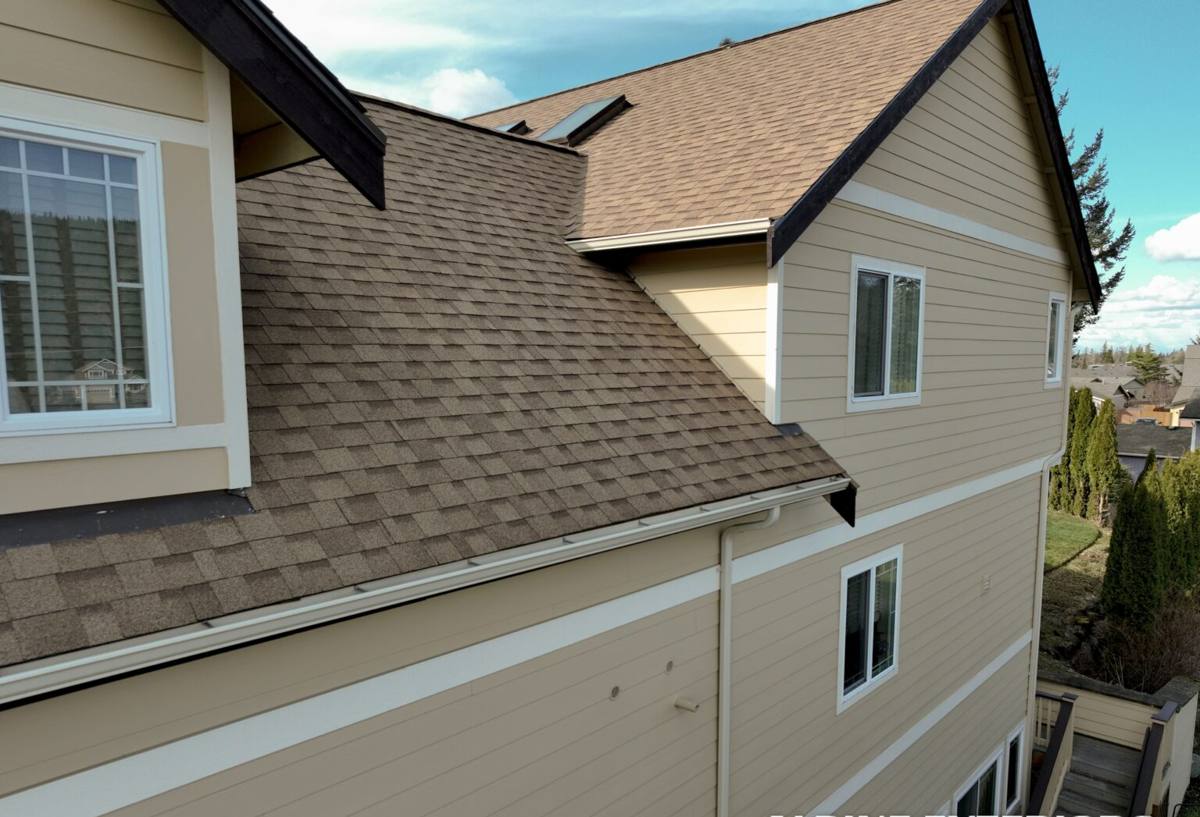
Why Composite Makes Sense Here — With Caveats
Composite decking (a blend of wood fiber and recycled plastic, capped with a protective outer layer on most modern products) is a strong fit for coastal Florida because it doesn't rot, doesn't splinter, and resists the moisture cycling that destroys untreated wood decks. But "composite" isn't one product — quality and coastal performance vary a lot between manufacturers and board tiers, and the difference matters more here than it would somewhere with a mild, dry climate.
What to look for in a coastal-grade board
- A full cap (capped composite) on all four sides, not just the top face — uncapped edges absorb moisture at cut ends and butt joints
- Manufacturer fade and stain warranties that explicitly cover high-UV climates, not just a general warranty
- A documented thermal expansion rate, since Gulf Coast boards see wide daily temperature swings between direct sun and shade
- Compatibility with stainless or coated fasteners and hidden fastening systems rated for coastal/marine use
We won't install a bargain-tier uncapped composite board on a Dunedin deck and call it a coastal solution. The material cost difference is real, but so is the difference in how the board performs after five summers of Gulf sun and salt air — we'd rather explain that trade-off honestly upfront than have a homeowner deal with a fading, moisture-swollen deck a few years in.
What a Correct Installation Involves
The composite boards themselves get most of the attention, but the substructure underneath is what actually determines whether the deck survives a hurricane season and years of coastal weathering. Most deck failures we're called out to inspect in this area trace back to the framing, fasteners, or footings — not the decking material on top.
Framing and footings
Florida Building Code sets minimum requirements for footing depth, post spacing, and beam sizing, and Pinellas County enforces wind-load standards on top of that given our hurricane exposure. Composite decking is heavier than most people expect — it holds moisture in the surface layer in a way wood doesn't, which adds dead load — so joist spacing that's fine for a cheap wood deck can be undersized for composite. We run joists tighter than the bare minimum on most coastal jobs specifically to keep the deck rigid under both foot traffic and wind loading.
Fasteners and hardware
This is where salt air does the most damage over time. Standard galvanized hardware corrodes faster near the coast than it does inland, and once a fastener starts rusting, it weakens the connection and can streak the composite boards around it. We use stainless steel or coated coastal-rated fasteners and structural connectors on every deck we build in this area — it costs more upfront than standard hardware, but it's the single biggest factor in whether the frame is still sound in fifteen years.
Ventilation and drainage
Wind-driven rain in Florida doesn't fall straight down — it gets pushed sideways under eaves, railings, and deck edges. A deck built tight to the house or over a low-airflow crawlspace can trap moisture underneath even with capped composite boards on top, leading to mildew and structural wood rot in the framing below. We build in proper board spacing, joist tape on framing members, and drainage paths so water moves off the structure instead of pooling against it.
Composite vs. Other Decking Materials for This Climate
| Material | UV/Fade Resistance | Salt Air Durability | Maintenance | Typical Lifespan Here |
|---|---|---|---|---|
| Capped Composite | Strong, with manufacturer fade warranty | Good, especially with coastal-rated hardware | Occasional wash, no staining/sealing | 25-30+ years |
| Pressure-Treated Wood | Fades and grays quickly in Florida sun | Prone to moisture cycling and fastener corrosion | Annual staining/sealing required | 10-15 years |
| PVC Decking | Very strong | Very good, lightweight reduces load stress | Low, similar to composite | 25-30+ years |
| Uncapped Composite | Weaker, prone to surface fading | Poor at cut ends/joints — absorbs moisture | Low but edge sealing recommended | 15-20 years |
PVC is a legitimate alternative in this climate and worth discussing depending on budget and look — we'll walk through both honestly during an estimate rather than pushing one product line.
Our Process for a Dunedin Composite Deck
- On-site assessment — we look at sun exposure, drainage slope, proximity to the water or open Gulf-facing sides of the home, and existing structure if this is a replacement
- Permit and wind-load review — confirming footing and framing specs meet Pinellas County requirements for the deck's size and height
- Demo and footing work — removing old decking (if applicable) and setting or verifying footings to code depth
- Framing with coastal-rated hardware — joists, beams, and posts assembled with stainless or coated fasteners throughout
- Board installation — hidden fastening system installed to manufacturer spec, with expansion gaps sized for our temperature swings
- Railing, stairs, and trim — finished to match the board system, with fasteners matched for corrosion resistance
- Final walkthrough — checking board alignment, fastener seating, and drainage before we call the job done
Hurricane Season and Wind Uplift
Deck framing needs to resist uplift, not just downward load — high winds can create suction that lifts a poorly secured deck surface or railing system. This is addressed primarily in the framing and connection hardware, not the decking material itself, which is why we don't treat the substructure as an afterthought on any job here. Railing posts, in particular, need to be through-bolted into properly blocked framing rather than just screwed to a rim joist — that connection point is one of the first things we check on any deck we're asked to inspect after a storm.
Maintenance Checklist for Coastal Composite Decks
Composite decking is low-maintenance compared to wood, but "low" doesn't mean zero, especially this close to the Gulf.
- Rinse salt residue and pollen film off the surface every few weeks, more often for decks facing open water
- Sweep debris out of board gaps so it doesn't trap moisture against the surface
- Check railing post connections and hidden fasteners once or twice a year for any early corrosion signs
- Inspect under the deck after major storms for standing water or debris blocking drainage paths
- Wash with a mild soap and soft-bristle brush — avoid pressure washing directly into board seams
- Confirm gutters or roof runoff aren't draining directly onto the deck surface
What Affects the Cost
| Factor | Why It Matters |
|---|---|
| Deck size and shape | More linear feet of board and framing, plus complexity of cuts around curves or angles |
| Board tier | Entry-level capped composite vs. premium coastal-rated lines varies significantly in material cost |
| Height and stairs | Elevated decks need more substantial framing, footings, and code-required railing |
| Hardware spec | Stainless/coastal-rated fasteners cost more than standard galvanized but pay off in longevity |
| Site access | Waterfront or tight-lot properties can add labor time for material staging and equipment access |
| Demo/removal | Replacing an old wood or failing composite deck adds tear-out and disposal cost |
We give a written, itemized estimate before any work starts so there's no guessing on what's driving the price.
Why a Crew That Already Works Dunedin Matters
Building codes, wind-load requirements, and permitting steps vary by jurisdiction, and Pinellas County's coastal standards are stricter than what you'll find inland. A crew that regularly pulls permits and builds decks in this specific area already knows what the local building department expects, what inspection points get flagged, and how HOA guidelines in coastal neighborhoods typically handle deck projects. That familiarity shows up in fewer delays and fewer surprises mid-project — not because the work itself is different, but because the paperwork and inspection process is.
It also matters in material selection. A contractor who only occasionally works near the coast may not think twice about standard hardware or a lower-tier composite board. A crew that works Clearwater and Dunedin regularly has already seen what standard-grade materials look like after a few Gulf Coast summers, and builds accordingly from the start.
Get a Free Estimate
If you're considering a new composite deck or replacing an aging one in Dunedin, we're glad to come take a look, walk through material options honestly, and put together a written estimate — no pressure, no obligation. Use the form below to get started.