 Clearwater Roofing
 Asphalt Shingle Roofing Built for Countryside's Weather
Countryside is one of the more established residential pockets of Clearwater, and like the rest of Pinellas County, it takes a real beating from the weather every year. Hurricane-force winds during storm season, intense UV exposure nearly every day of the year, wind-driven rain that finds its way into anything not properly flashed, and salt air drifting in off the Gulf all work against a roof at the same time. An asphalt shingle roof can handle all of that for decades — but only if it's specified and installed correctly for this climate, not treated like a generic roof job dropped into any city in the country.
This page covers what asphalt shingle roofing means specifically for a Countryside home: what the local conditions demand, what a correct installation looks like, and how our process works from first inspection to final walkthrough.
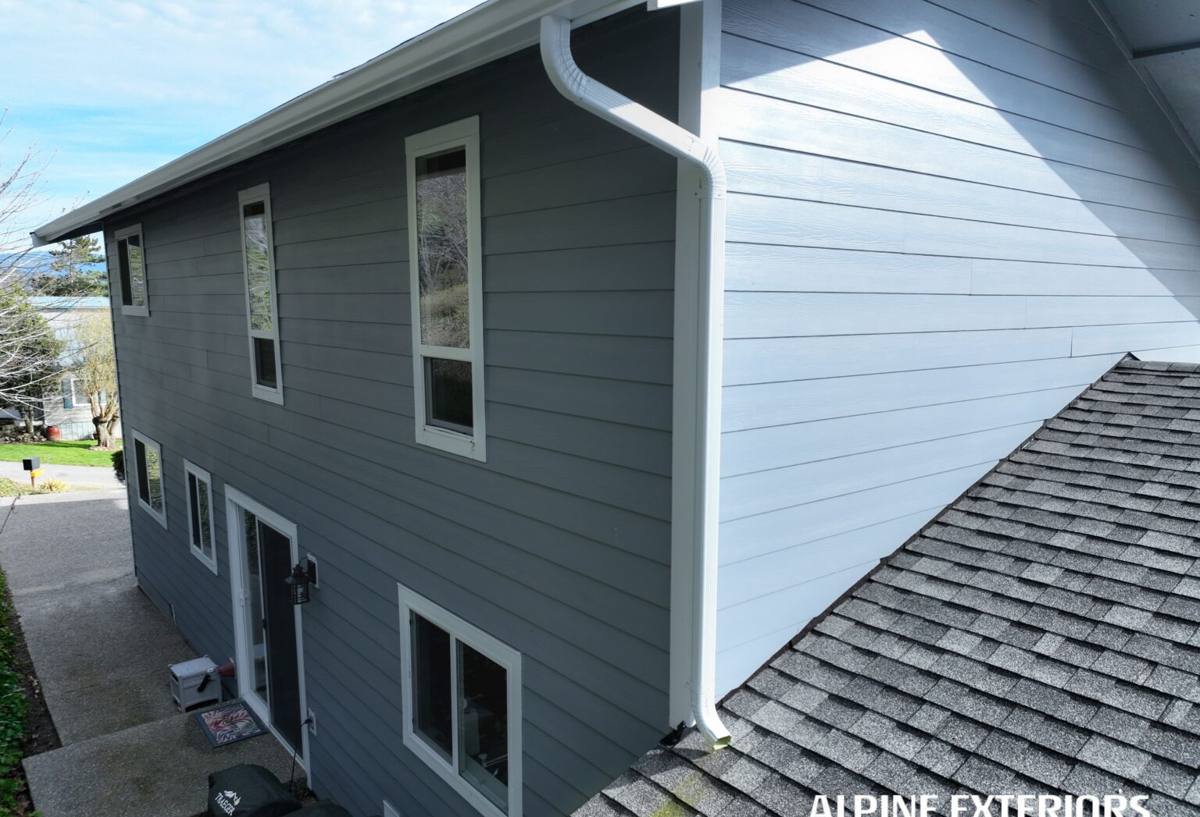
What Countryside Homes Are Up Against
Wind and Storm Exposure
Even homes set back from the coast still fall inside Pinellas County's hurricane wind zones, and Countryside is no exception. Shingles that are rated correctly and fastened with the right nailing pattern stay put; shingles installed with shortcuts — high nails, missing courses of nails, cheap or mismatched underlayment — are the ones that end up in a neighbor's yard during the next named storm.
UV and Heat
Florida sun is relentless, and asphalt shingles are a petroleum-based product that breaks down faster under constant UV and heat than in most other parts of the country. Over time this shows up as granule loss, brittleness, and shingles that curl or crack instead of flexing. Attic heat buildup makes this worse from underneath, which is why ventilation matters as much as the shingle itself.
Salt Air and Humidity
Clearwater's proximity to the Gulf means salt-laden, moisture-heavy air is a constant, even away from the immediate coastline. Salt air accelerates corrosion on exposed metal — flashing, nail heads, vent stacks, drip edge — and humidity gives algae and moss more opportunity to take hold on north-facing slopes. Roofing materials and fasteners chosen for this climate need to account for that, not just for wind and sun.
What a Correct Shingle Installation Actually Involves
Tear-Off and Deck Inspection
A proper reroof starts with a full tear-off down to the deck, not a layover. That's the only way to actually see the plywood or OSB underneath — soft spots, old water staining, delaminated panels, or fastener issues that a layover would simply bury. Any damaged decking gets replaced before anything else goes down; skipping this step is one of the most common ways a new roof fails early.
Underlayment
Underlayment is the roof's backup line of defense against wind-driven rain, which is a real and frequent event in this part of Florida. We use underlayment systems suited to Pinellas County's wind and moisture exposure, with self-adhering membrane at eaves, valleys, and other vulnerable points where water is most likely to be pushed under the shingles during a storm.
Flashing
Flashing around chimneys, skylights, sidewalls, and roof-to-wall transitions is where most leaks actually originate — not in the open field of shingles. Salt air speeds up corrosion on old or thin flashing, so we replace flashing rather than reuse it whenever a roof is opened up, and we detail it to shed water instead of relying on caulk or sealant to do that job long-term.
Nailing Pattern and Wind Rating
Every shingle manufacturer specifies a nailing pattern and nail placement zone that determines the actual wind rating of the finished roof — not just the rating printed on the shingle wrapper. Nails placed too high, too few nails per shingle, or the wrong fastener length all quietly reduce the wind resistance of the roof without it being visible from the ground. We follow manufacturer specs to the nail, because that's what keeps the roof — and the warranty — intact.
Choosing the Right Shingle for This Climate
Not every asphalt shingle product is a good fit for a Gulf Coast climate. The table below outlines the general trade-offs between the two most common categories homeowners in Countryside ask about.
| Factor | 3-Tab Shingles | Architectural (Laminate) Shingles |
|---|---|---|
| Wind resistance | Lower, single-layer construction | Higher, thicker multi-layer construction |
| Typical lifespan in this climate | Shorter under constant UV and heat | Longer, better UV and impact resistance |
| Appearance | Flat, uniform look | Dimensional, shadow-line look |
| Upfront cost | Lower | Moderately higher |
| Common warranty terms | Shorter manufacturer warranty | Longer manufacturer warranty, often with enhanced wind coverage |
For most Countryside homes, we recommend architectural shingles with a wind rating suited to the local wind zone and algae-resistant granules to handle the area's humidity. That's a professional standard we hold to, not a knock on every 3-tab product — it's simply a matter of what holds up best against sustained sun, humidity, and storm exposure over the life of the roof.
Ventilation: The Part Homeowners Forget
A shingle roof isn't just what you see from the street — it's a system that includes intake and exhaust ventilation working together to move heat and moisture out of the attic. In this climate, an under-ventilated attic bakes shingles from underneath, shortens their lifespan, and can trap humidity against the deck. When we replace a roof, we evaluate existing ventilation and correct it where it's inadequate, rather than reinstalling shingles over a system that was never balanced correctly in the first place.
Our Process, Start to Finish
- Inspection and honest assessment. We walk the roof, check the attic, and tell you plainly whether you need a repair, a partial reroof, or a full replacement.
- Clear, written proposal. You'll see the shingle product, underlayment system, and scope of work in writing before anything is scheduled.
- Protection and prep. Landscaping, gutters, and the property around the house are protected before tear-off begins.
- Tear-off and deck inspection. Old roofing comes off completely and the deck is inspected and repaired as needed.
- Underlayment, flashing, and shingle installation. Installed to manufacturer spec for the wind rating you're paying for.
- Cleanup and magnetic nail sweep. The property is cleared of debris and swept for stray fasteners.
- Final walkthrough. We review the completed roof with you and go over warranty paperwork.
Signs Your Countryside Roof Needs Attention
Between full replacements, it's worth knowing what to watch for. A quick visual check from the ground a couple of times a year can catch problems before they turn into interior damage.
- Granules collecting in gutters or at downspout outlets
- Shingles that look curled, cupped, or cracked, especially on sun-exposed slopes
- Missing shingles or exposed nail heads after a storm
- Dark streaking or algae growth on shaded or north-facing sections
- Soft or discolored ceiling spots inside the home, which point to a leak already in progress
- Rusted or lifting flashing around chimneys, vents, or skylights
- Visible sagging anywhere along the roofline
What Drives the Cost of a Shingle Roof in This Area
Every roof is priced based on the specifics of the home, but the same handful of factors move the price up or down on most Countryside jobs.
| Cost Factor | Why It Matters |
|---|---|
| Roof size and complexity | More squares, valleys, and hips mean more material and labor |
| Number of existing layers | Tear-off of multiple old layers adds disposal and labor time |
| Decking condition | Rotted or delaminated plywood/OSB must be replaced before shingles go down |
| Shingle tier chosen | 3-tab versus architectural versus higher wind-rated lines |
| Ventilation upgrades | Adding or correcting intake/exhaust venting affects labor and materials |
| Roof pitch and access | Steeper or harder-to-access roofs take longer and require more safety setup |
We walk through these factors with you during the inspection so the proposal makes sense line by line, rather than handing you a single number with no explanation behind it.
Why It Matters That We Already Work in Countryside
A crew that regularly works this part of Clearwater already understands Pinellas County's permitting process, the wind mitigation documentation insurance companies ask for, and the practical realities of roofing in a neighborhood with a mix of home ages and roof styles. That familiarity shortens the back-and-forth on permits and inspections and means fewer surprises once work is underway. It also means we're not learning the local climate on your roof — we already build every installation around what wind, sun, rain, and salt air do to a shingle roof in this specific area.
If you're weighing a repair against a full replacement, or just want a straight answer on what your current roof has left in it, we're glad to take a look. Fill out the form below for a free, no-pressure estimate on your Countryside home.