 Clearwater Roofing
 Building New in Countryside? The Windows Have to Match the Climate, Not Just the Floor Plan
Countryside is one of the older, well-established residential pockets on Clearwater's inland side, but "inland" in Pinellas County still means hurricane-force wind exposure, sun that beats down on glass nearly every day of the year, wind-driven rain during summer storm season, and a steady drift of salt air off the Gulf and Tampa Bay. When a home is going up from the ground, the windows aren't a swap-out decision made under time pressure — they're a structural and code decision baked into the build. Get it right at new construction and you avoid a second, more expensive conversation about leaks, fogged glass, or failed seals a few years down the road.
We install new-construction windows for builders and homeowners working in and around Countryside, and we approach every job the same way: as a permanent part of the building envelope, not an accessory that gets picked from a catalog after the fact.
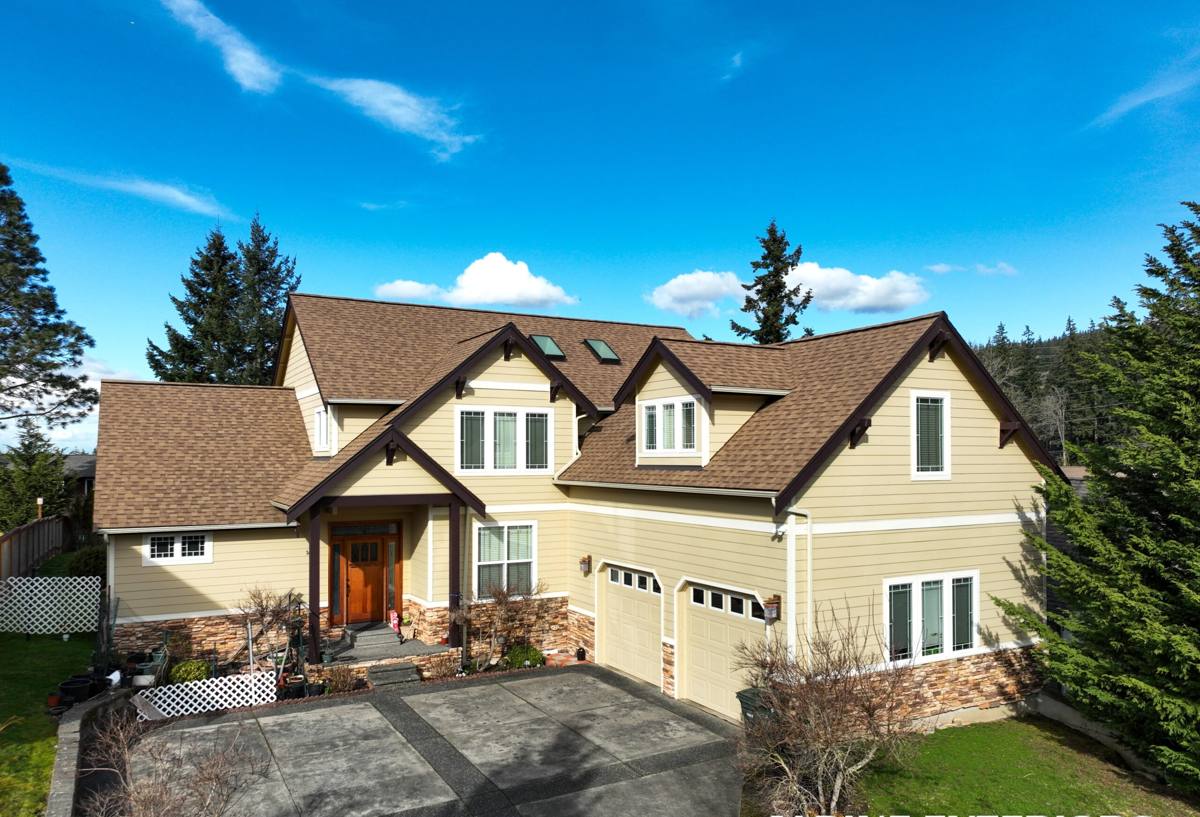
New Construction vs. Replacement: Why the Job Is Different
A lot of homeowners assume window installation is window installation. It isn't. In a replacement, the existing rough opening, flashing, and stucco or siding are already there, and the work is largely about fitting a new unit into that opening without disturbing more of the wall than necessary. New construction is the opposite — nothing exists yet, which means every layer has to be built correctly and in the right order, because once the exterior finish goes on, mistakes underneath are hidden.
What that means in practice
- The rough opening has to be sized and squared to the window manufacturer's exact specifications, not "close enough."
- Flashing and weather-resistive barrier integration happens in a specific sequence — get the layering wrong and water finds its way behind the finish instead of shedding off it.
- The window's structural attachment to the framing has to account for the design wind pressures for this part of Pinellas County, not a generic nailing schedule.
- Sill pans and drainage paths need to be in place before the window ever goes in, so any water that does get past the exterior seal has somewhere to go besides your wall cavity.
Florida Building Code and What It Means for a Countryside Home
New windows in this area aren't installed to a national default — they're installed to meet Florida Building Code wind pressure and impact requirements for our specific location, which factor in wind speed maps for Pinellas County and the home's exposure category. Every new-construction window we install carries a Florida Product Approval or Miami-Dade Notice of Acceptance number confirming it's been tested for the pressures it will actually see here, not just rated for "hurricane country" in general terms.
Two paths satisfy the code for wind-borne debris protection: impact-rated glass that stays intact under debris impact, or non-impact glass paired with code-compliant shutters or panels that get deployed before a storm. New construction is the ideal time to decide which route fits the home, because the structural opening can be built around that decision from day one instead of retrofitted around it later.
Choosing the Right Window for This Build
"Right" depends on budget, the home's design, and how much day-to-day storm prep the homeowner wants to do. Here's how the common options compare for a new build in this climate:
| Frame Material | How It Handles Sun, Salt & Humidity | Typical Trade-Off |
|---|---|---|
| Vinyl | Won't corrode from salt air; good insulator; UV-stable formulations resist yellowing | Can't be painted a different color later without specialty coatings |
| Aluminum | Strong and slim sightlines, common on Florida new builds; naturally corrosion-resistant when properly finished | Conducts heat more than vinyl unless thermally broken |
| Fiberglass | Very stable through heat cycling and humidity swings; excellent UV and moisture resistance | Higher upfront material cost |
| Wood / Wood-Clad | Needs the most protection from humidity and salt exposure to avoid rot over time | More long-term maintenance in a coastal-influenced climate |
Glass matters as much as frame. For a Countryside new build we typically talk homeowners through impact-rated low-E glass — it's rated for wind-borne debris, and the low-E coating cuts the solar heat gain that would otherwise push cooling costs up during the long stretch of Florida summer. Tinting or coating choices also affect glare and interior fading, which matters on west- and south-facing elevations that take direct sun most of the day.
Impact vs. Shutters: An Honest Comparison
| Impact-Rated Glass | Non-Impact + Shutters | |
|---|---|---|
| Storm prep required | None — always ready | Shutters must be installed before each storm |
| Everyday noise/UV reduction | Better, year-round | No benefit outside storm events |
| Upfront cost | Higher per window | Lower window cost, added shutter cost |
| Exterior appearance | Unchanged, no visible hardware | Track/hardware visible on the exterior |
Our New-Construction Installation Process
Every job follows the same sequence, whether it's one window or a full house package:
- Plan review. We check window schedules against the structural plans and Florida Product Approval requirements before a single opening is framed.
- Rough opening verification. We confirm every opening is square, plumb, and sized to spec before installation begins — catching framing issues now is far cheaper than after the fact.
- Sill pan and drainage setup. A back-dammed sill pan goes in first, giving any incidental water a path back outside instead of into the wall.
- Flashing integration. Weather-resistive barrier and flashing tape are layered in the correct shingle-lap order so water always sheds outward and downward.
- Setting and fastening. The window is set, shimmed level and plumb, and fastened per the manufacturer's tested schedule for our wind pressure zone.
- Sealing. Backer rod and compatible sealant close the perimeter — using a sealant incompatible with the frame material is a common shortcut that fails early in this climate.
- Final inspection and documentation. We confirm operation, seal integrity, and code compliance, and keep the product approval paperwork on hand for permitting and future insurance documentation.
Mistakes We See on New-Construction Window Jobs
Most window failures in this region trace back to installation shortcuts, not the window product itself. On new builds, watch for:
- Rough openings framed slightly out of square, forcing the installer to compensate with excess shim and sealant instead of a proper fit.
- Flashing applied in the wrong order, so water gets directed behind the barrier instead of over it.
- Fastener schedules that don't match the tested design — fewer or wrong-length fasteners than the product approval requires.
- Sealant chosen for price rather than compatibility with the frame material, leading to early adhesion failure under UV and heat cycling.
- No sill pan, leaving no backup drainage path if the primary seal is ever compromised.
What Drives Cost on a New-Construction Window Package
| Factor | Why It Matters |
|---|---|
| Impact rating | Impact glass costs more per unit than non-impact but removes ongoing shutter costs and labor |
| Frame material | Fiberglass and larger aluminum systems generally run higher than standard vinyl |
| Window size and count | Larger openings and higher window counts mean more structural reinforcement and labor |
| Glass package | Low-E coatings and tinted or laminated options add cost but reduce cooling load and glare |
| Elevation exposure | Openings facing prevailing wind or direct sun may call for a higher-performance spec |
We give homeowners and builders a straightforward walk-through of these trade-offs before pricing anything, so the final package reflects an informed decision rather than a guess.
Why a Crew That Already Works Countryside Makes a Difference
New-construction window work depends on getting local permitting, inspection expectations, and wind-pressure requirements right the first time. A crew that regularly works in Countryside and the surrounding Clearwater area already knows the local building department's inspection process, the typical exposure conditions block by block, and how homes in this part of Pinellas County tend to be oriented relative to prevailing storm winds. That familiarity shows up in fewer inspection call-backs and a build sequence that doesn't stall waiting on paperwork or corrections.
It also matters after the build is done. A local crew is the one you can call if a window needs adjustment during the warranty period, and one that has a track record of standing behind its own installation work in this specific climate — not a name that only shows up for the initial job.
Living With New Windows in a Florida Climate
Even a correctly installed window benefits from a little homeowner attention. Rinse frames and tracks periodically to clear salt residue, especially on homes closer to the water, since salt buildup can accelerate wear on hardware and weep systems over time. Keep weep holes clear of dirt, mulch, and debris so the drainage system built into the window can actually do its job. Operate hardware occasionally even on windows you rarely open, so hinges, locks, and rollers don't seize up between uses. None of this is heavy maintenance — it's the kind of upkeep that lets a properly installed window perform the way it's designed to for the long haul in this climate.
Ready to Talk Through Your New Build?
If you're planning or already framing a new home in Countryside, we're happy to walk the plans, talk through window and glass options for your specific elevations, and give you a clear, no-pressure estimate. Fill out the form below and we'll get back to you to schedule a time.