 Clearwater Roofing
 Why Countryside Roofs Wear Out Differently Than Roofs Inland
Countryside is one of Clearwater's larger established residential communities, and a lot of its roofs are carrying more miles than the shingles let on from the ground. A roof here isn't just fighting age — it's fighting Pinellas County's specific mix of punishment: sustained hurricane-force wind gusts during tropical systems, intense subtropical UV exposure nearly every day of the year, wind-driven rain that gets pushed sideways under loose flashing and shingle tabs, and a steady drift of salt air off the Gulf that speeds up corrosion on fasteners, vents, and metal edging.
None of those forces are dramatic on their own. It's the combination, repeated year after year, that shortens a roof's real service life below what the shingle wrapper promises. A roof replacement done right for a Countryside home accounts for all four factors at once — not just the shingle color the homeowner picks out.
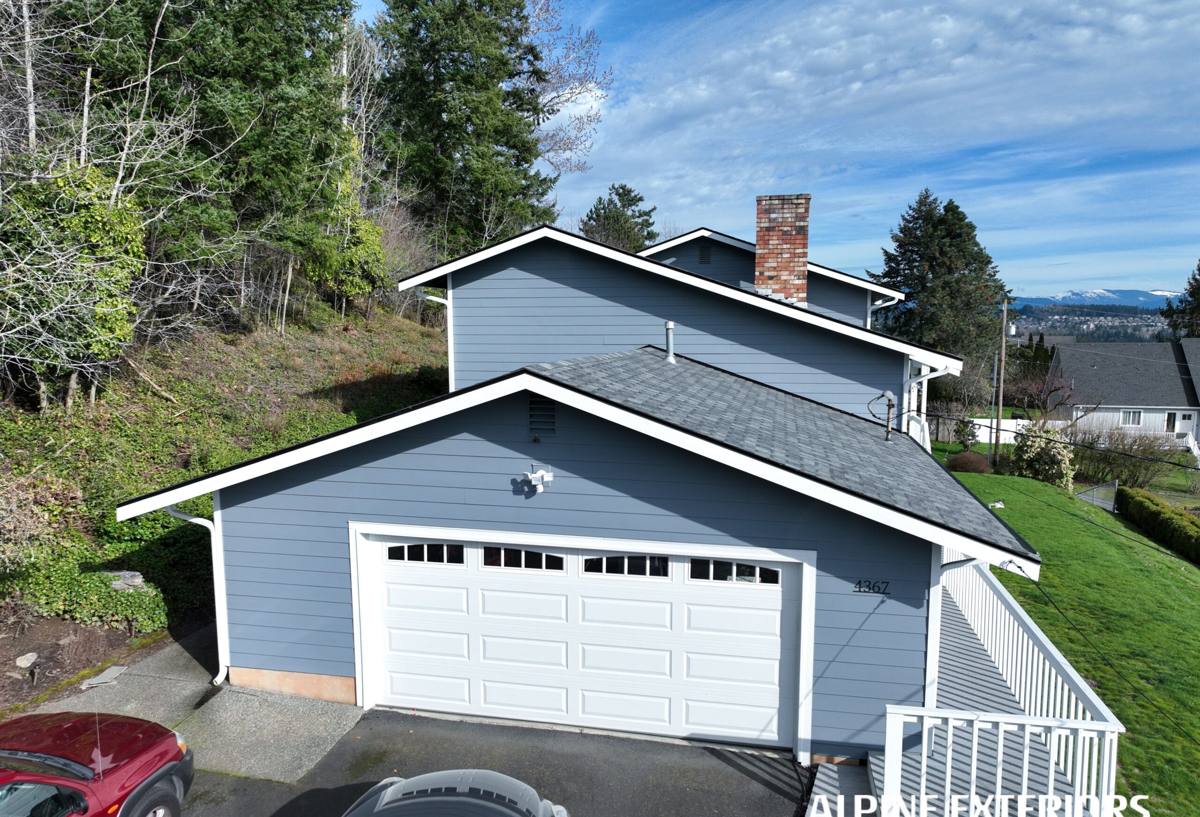
Signs a Countryside Roof Needs Replacement, Not Another Repair
Homeowners often call us after a leak, but the leak is usually the last symptom, not the first. A trained eye — or an honest inspection — tends to catch these signs earlier:
- Granules collecting in gutters or at downspout splash points, meaning the shingle's UV-protective surface is wearing away
- Shingles that look curled, cupped, or cracked, especially on the south and west-facing slopes that take the harshest sun
- Soft spots or slight sagging when walked on, which usually points to a deck problem underneath, not just the shingles
- Nail heads or fastener patterns visible through the shingle surface (a sign of poor original installation or a roof past its prime)
- Rust streaks near metal flashing, vents, or valleys — common where salt air has accelerated corrosion
- Interior stains on ceilings or in the attic that reappear after every heavy rain, even after a patch repair
- A roof that's taken multiple patch repairs in the last few years with no lasting fix
If a roof is under roughly 10 years old and the damage is isolated, a repair is often the honest recommendation. Once a roof is showing several of the signs above, or is old enough that further repairs are just delaying the same outcome, replacement is the more cost-effective call — and we'll tell a homeowner that plainly either way.
What a Correct Roof Replacement Actually Involves
A roof replacement is more than stripping old shingles and nailing down new ones. In a coastal wind zone like Clearwater, the parts homeowners never see matter as much as the parts they do.
Full Tear-Off and Deck Inspection
We remove the existing roofing down to the wood deck rather than layering over old material. This lets us find and replace any deck sections that have gone soft from years of slow moisture intrusion — something that can't be assessed accurately from on top of old shingles.
Underlayment and Water Barrier
A synthetic or self-adhering underlayment goes down as the roof's real waterproofing layer. In wind-driven rain, this layer is what keeps water out even if a shingle tab lifts during a storm — the shingles are the wear surface, the underlayment is the backup.
Flashing and Sealing Details
Valleys, pipe boots, chimney flashing, and wall transitions are where most roof leaks actually start, not in the open field of shingles. These details get replaced with corrosion-resistant materials suited to salt air exposure, not just re-sealed with caulk over old metal.
Attic Ventilation
Proper intake and exhaust ventilation keeps attic temperatures and moisture in check, which protects the deck from below and helps shingles last their full rated life instead of aging early from trapped heat — a real issue under a Florida sun.
Wind-Rated Fastening
Nailing pattern and fastener count matter as much as the shingle brand. We install to the wind-rated specifications the shingle manufacturer and Florida Building Code require for this region, not the minimum that happens to hold on a calm day.
Choosing a Roofing Material for a Countryside Home
There's no single "best" roofing material — the right choice depends on budget, the home's structure, and how much long-term maintenance a homeowner wants to take on. Here's an honest comparison of the options we're most often asked about for this area:
| Material | Typical Lifespan | Wind Performance | Maintenance | Notes for This Climate |
|---|---|---|---|---|
| Architectural Asphalt Shingle | 20-30 years | Good, with proper wind-rated installation | Low | Best balance of cost and performance for most Countryside homes; wide style and color range |
| 3-Tab Asphalt Shingle | 15-20 years | Lower than architectural | Low | Lower upfront cost, but shorter service life under sustained coastal wind and UV |
| Concrete or Clay Tile | 30-50 years | Very good when properly fastened | Moderate | Heavier — requires the structure to support the added weight; higher upfront cost |
| Standing Seam Metal | 40-60 years | Excellent | Low | Higher upfront investment; strong resistance to wind uplift and long-term UV fade |
We don't push one product over another as a rule of thumb — we walk homeowners through the real trade-offs (cost, weight, maintenance, and how the structure is built) and let them land on the option that fits their home and budget.
How Our Roof Replacement Process Works
- Inspection and honest assessment — we get on the roof, check the deck condition where accessible, and tell you plainly whether replacement is actually the right call
- Written estimate — clear scope, material options, and pricing before any work starts, no vague allowances
- Permitting — we pull the required Pinellas County/City of Clearwater permits so the job is inspected and documented, protecting you if you ever sell the home or file an insurance claim
- Tear-off and deck repair — full removal of old roofing, with any compromised decking replaced before anything new goes down
- Underlayment, flashing, and ventilation — the waterproofing and airflow systems that determine how the roof performs in storms and heat, not just how it looks
- Installation to wind-rated spec — shingles, tile, or metal installed to the fastening pattern required for this wind zone
- Final walkthrough and cleanup — magnetic sweep for stray nails, full site cleanup, and a final review with the homeowner before we consider the job done
Permits, Wind Mitigation, and Insurance
Florida Building Code requires a permit and inspection for a full roof replacement — there's no shortcut around this, and a contractor who suggests skipping it is not doing you a favor. A permitted, inspected roof also gives you documentation you'll want later, whether that's for a home sale or an insurance claim after a storm.
Many Pinellas County insurers also offer premium credits for wind mitigation features — things like a properly rated roof covering, secondary water barrier, and correctly installed roof-to-wall connections. After a replacement, it's worth having a wind mitigation inspection done and submitting it to your insurer; it costs little relative to the potential savings and documents exactly what was installed.
Why a Crew That Already Works Countryside Matters
A roofing crew that regularly works Countryside and the surrounding Clearwater area knows the practical realities that don't show up in a generic estimate: what deck condition tends to look like on homes of a certain age in this neighborhood, how HOA or permitting timelines typically run locally, and how to schedule around Florida's rainy season instead of getting caught mid-tear-off by an afternoon storm. That local familiarity translates into fewer surprises, tighter scheduling, and a crew that isn't learning the area's quirks on your dime.
It also means accountability. A contractor with an ongoing local presence has a reputation to protect in the neighborhood — that's a different incentive structure than a storm-chasing outfit that's gone once the check clears.
What to Ask Before You Sign a Roof Replacement Contract
- Are you licensed and insured in Florida, and can you provide proof before work starts?
- Will you pull the required permit, or is that left to me?
- What underlayment and flashing materials are included — is it itemized, or a vague "standard" allowance?
- What's the manufacturer's wind rating for the shingle or system you're installing, and will installation meet it?
- Who handles deck repair if rot is found during tear-off, and how is that priced?
- What's the workmanship warranty, separate from the manufacturer's material warranty?
- What does cleanup include — magnetic nail sweep, debris haul-off, gutter check?
- Can you provide local references or examples of similar work in the area?
A contractor who answers these clearly and in writing, without hedging, is the one worth hiring.
Get a Straightforward Estimate
If your Countryside home's roof is showing its age, or you just want an honest opinion on whether repair or replacement makes more sense, we're glad to take a look. Fill out the form below for a free, no-pressure estimate — we'll give you a clear assessment and a straight answer, not a sales pitch.