 Clearwater Roofing
 Siding Built for the Countryside Climate
Countryside is one of Clearwater's established residential communities, and like the rest of Pinellas County, it sits squarely in a climate that is hard on exterior building materials. Homes here deal with hurricane-force winds during storm season, intense year-round UV exposure, wind-driven rain that gets forced sideways into wall assemblies, and a steady dose of salt air carried in off the Gulf. Any one of those factors alone would be enough to justify choosing exterior materials carefully. Together, they mean siding decisions in Countryside are not cosmetic choices — they are structural and moisture-management decisions that affect how well a home holds up over the next twenty or thirty years.
Older siding products, and even some newer ones not engineered for this environment, tend to show their weaknesses here faster than they would in a milder climate. UV breaks down pigments and surface coatings. Wind-driven rain finds every gap in flashing and fastening. Salt air accelerates corrosion of fasteners and hardware. This page focuses specifically on what siding installation should look like for a Countryside home given those realities — not generic advice, but what actually matters for this neighborhood.
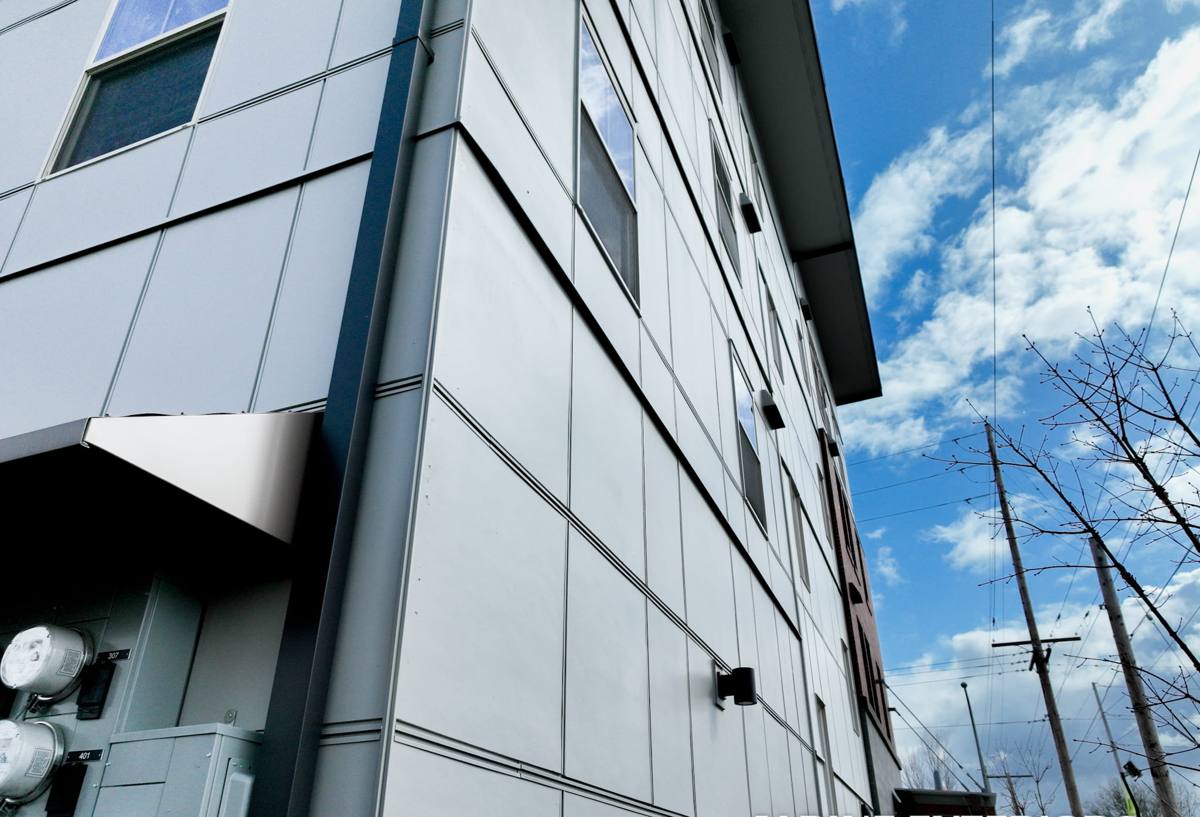
What Countryside Homes Need From Their Siding
Countryside includes a mix of home ages and styles, from long-established single-story houses to newer construction. What most of them share is exposure to the same regional weather pattern: humid subtropical conditions, a defined hurricane season, and near-constant sun. Siding on these homes needs to do several jobs at once — resist wind uplift, shed water instead of absorbing it, hold its color and shape under UV load, and resist pests and moisture-driven rot at the bottom courses, corners, and around penetrations like hose bibs and light fixtures.
Wind Resistance Isn't Optional
Pinellas County's wind zone requirements exist because siding failure in a storm isn't just a cosmetic problem — a panel that comes loose can become a projectile and expose the wall assembly to wind-driven water intrusion. Installation has to account for fastening schedules, panel overlap, and starter strip detailing that meet the wind load the product is actually rated for, not just what looks right from the ground.
Moisture Management Matters More Here Than Almost Anywhere
Wind-driven rain during Gulf storms doesn't fall straight down — it gets pushed horizontally into wall surfaces. A correct siding installation assumes water will reach the water-resistive barrier behind the siding and is detailed so that water sheds back out rather than getting trapped. This is where a lot of siding problems start, and it has nothing to do with the siding material itself and everything to do with how the job was flashed, lapped, and sealed.
Why We Install Only James Hardie Fiber Cement
We install James Hardie fiber cement siding exclusively. We don't install vinyl, LP SmartSide, Cemplank, Allura, or wood siding, and we're upfront with Countryside homeowners about why. Fiber cement is non-combustible, holds its shape in high heat and humidity without warping, and is manufactured with HZ5 product lines specifically engineered for high-humidity, high-moisture climates like ours. That engineering — not marketing — is why it holds up to Florida conditions better than most alternatives over the long run.
ColorPlus Factory Finish
James Hardie's ColorPlus finish is baked on at the factory under controlled conditions, rather than field-applied paint over raw material. In a climate with this much UV exposure, that difference shows up over time as better color retention and less chalking or fading, and it comes backed by its own finish warranty separate from the substrate warranty.
A Warranty Structure That Reflects Confidence in the Product
James Hardie backs its siding with a substantial transferable limited warranty. Warranty terms and coverage details are spelled out by the manufacturer and worth reading closely, but the structure itself reflects a product built for exactly the kind of long-term coastal exposure Countryside homes deal with.
Signs a Countryside Home's Siding Needs Attention
Because sun, wind, and moisture work on siding continuously here, problems tend to show up gradually before they become obvious. Homeowners in Countryside should watch for:
- Visible cracking, buckling, or warping in panels or trim boards
- Soft spots or delamination, especially near the bottom courses and around windows
- Persistent moisture stains or discoloration on interior walls near exterior siding
- Paint or finish that is chalking, peeling, or fading unevenly
- Gaps opening up at seams, corners, or where siding meets trim and flashing
- Noticeably higher cooling bills, which can point to compromised insulation behind failing siding
- Visible storm damage after high-wind events, even if it looks minor
Any one of these on its own may be minor. Several together usually mean it's time for a real inspection rather than a patch repair.
Our Installation Process
Correct siding installation is mostly about what happens before the first panel goes up. Our process for Countryside homes follows the same disciplined sequence every time:
- Inspection and assessment. We evaluate the existing wall assembly, sheathing condition, and any moisture damage before recommending a scope of work.
- Water-resistive barrier installation. A properly lapped and sealed weather barrier goes on before any siding, since this is the layer that actually protects the wall if water gets past the exterior surface.
- Flashing at every penetration. Windows, doors, hose bibs, vents, and any other wall penetration get flashed to direct water outward, not into the wall cavity.
- Fastening to manufacturer and wind-zone specification. Fastener type, spacing, and placement follow James Hardie's published requirements and Pinellas County's wind load requirements — not shortcuts.
- Panel installation with correct clearances. Proper gaps at the ground, roofline, and trim allow the assembly to shed water and avoid wicking moisture into panel edges.
- Final detailing and caulking. Joints, corners, and trim transitions are sealed with products rated for this climate's UV and humidity exposure.
- Walkthrough. We review the finished work with the homeowner before considering the job complete.
Cost Factors for Siding Installation in Countryside
Every home is different, so we don't quote pricing without seeing the property, but the factors that most often move a Countryside siding project up or down in scope are consistent:
| Factor | Why It Matters | Typical Cost Impact |
|---|---|---|
| Removal of existing siding | Tear-off, disposal, and sheathing inspection add labor | Medium |
| Sheathing or framing repair | Rot or moisture damage found underneath must be corrected before new siding goes on | Medium to High |
| Home size and wall complexity | More square footage, corners, and roof transitions mean more cutting and detailing | Medium |
| Trim and accent detailing | Decorative trim boards, shakes, or accent panels add labor beyond flat siding runs | Low to Medium |
| Story height | Second-story and multi-story walls require additional staging and safety equipment | Low to Medium |
| Product line and color | HZ5 climate-specific panels and ColorPlus finish options vary by selection | Low |
Why a Crew That Already Works in Countryside Matters
Siding installation quality depends heavily on details that are easy to get wrong if a crew doesn't regularly work in this specific climate and jurisdiction. A crew that already does siding work throughout Clearwater and Pinellas County understands the county's permitting and wind-zone requirements, knows how HOA guidelines in established communities like Countryside tend to be structured, and has already worked through the practical realities of scheduling around Florida's rainy season. That local familiarity shows up in fewer surprises during the job and fewer callbacks after it.
It also matters for materials logistics — knowing which James Hardie product lines and colors are readily available locally versus special-order, and planning a project timeline that accounts for both weather windows and permit turnaround with the county.
Maintaining Your New Siding in This Climate
James Hardie fiber cement is low-maintenance compared to most alternatives, but "low-maintenance" doesn't mean "no maintenance" in a climate like ours. A simple annual routine goes a long way:
- Rinse siding periodically to remove salt residue, especially on homes closer to the water
- Inspect caulking at trim and window transitions yearly and touch up as needed
- Keep irrigation heads and sprinklers from spraying directly on siding
- Trim vegetation back from wall surfaces to allow airflow and drying
- After any major storm, do a visual check for cracked panels, loosened trim, or damaged flashing
These are small, occasional tasks — not a burden — but they're worth doing precisely because this climate doesn't give exterior materials a break.
Get an Honest Look at Your Siding
If you're noticing wear on your Countryside home's siding, or you're planning ahead of the next storm season, we're happy to take a look and give you a straight assessment — no pressure, no upsell. Request a free estimate below and we'll walk the property with you and talk through what your home actually needs.