 Clearwater Roofing
 Countryside's Climate Puts Real Demands on Exterior Siding
Countryside is one of Clearwater's established residential neighborhoods, sitting inland from the Gulf beaches but still squarely inside Pinellas County's weather pattern. That matters more than most homeowners realize. Being a few miles from the water doesn't exempt a house from hurricane-force winds during storm season, and it doesn't slow down the year-round UV exposure that comes with living in west-central Florida. Add wind-driven rain that gets pushed sideways into wall systems during summer storms, plus a steady trace of salt air carried in off the Gulf, and you have a combination that ages exterior siding faster here than it would in most of the country.
Siding on a Countryside home isn't just a cosmetic layer. It's the barrier standing between your wall framing and a climate that cycles between soaking humidity, intense heat, and sudden violent wind loads. When that barrier is the wrong material, or was installed poorly, the problems don't stay on the surface — they work their way into the sheathing, the framing, and eventually the inside of the house.
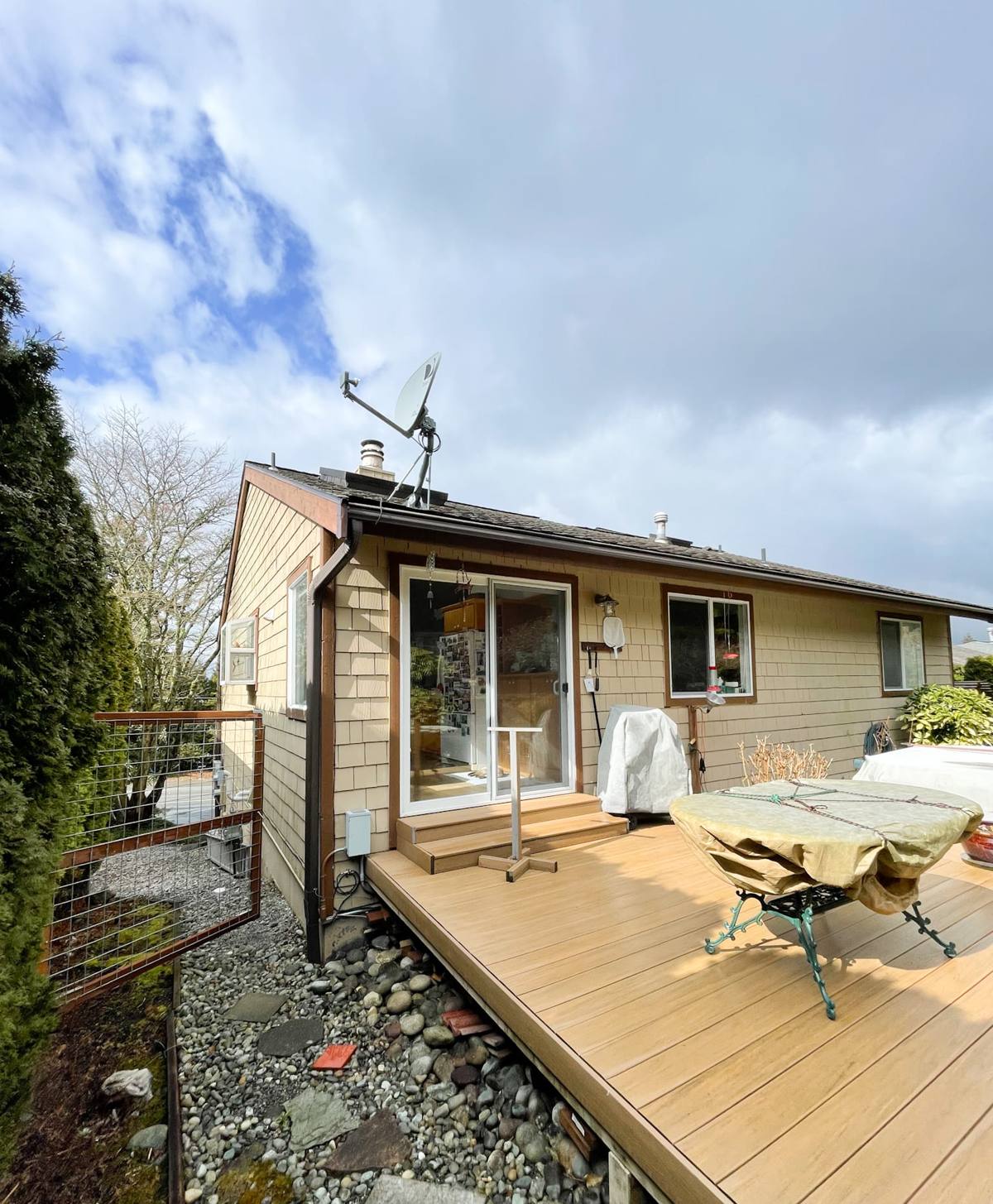
Signs Your Countryside Home's Siding Has Reached the End of Its Service Life
Siding failure in this climate is rarely sudden. It shows up gradually, and homeowners often chalk up early warning signs to normal wear before realizing the material itself is failing. Watch for:
- Boards that are buckling, warping, or visibly bowing away from the wall
- Soft, spongy spots you can press in with a thumb — a sign of moisture damage underneath
- Paint that's peeling, bubbling, or needing repainting far more often than it used to
- Widening gaps or separation at seams, corners, and trim boards
- Visible cracking, especially near fasteners or at panel edges
- Rising cooling bills without an obvious cause, which can point to a compromised wall envelope
- Signs of pest activity — wood-based siding and trim are vulnerable to wood-boring insects and moisture-loving pests in humid climates
Any one of these on its own might be a minor repair. Several appearing together usually means the siding system as a whole is past the point where patching makes sense.
What a Correct Siding Replacement Actually Involves
Tearing Off the Old Siding and Inspecting What's Underneath
A proper replacement starts with full removal of the existing siding, not installation over it. That's the only way to see the actual condition of the sheathing and framing underneath. In a coastal-adjacent climate like Pinellas County, it's common to find some degree of moisture damage hiding behind old siding — sometimes minor, sometimes requiring sheathing repair before new siding can go on. Skipping this inspection just seals existing problems inside the wall.
Moisture Management: House Wrap, Flashing, and Clearances
Siding is only one layer of a wall's defense against water. Behind it needs to be a properly lapped weather-resistant barrier, and around every window, door, and penetration needs correct flashing that directs water outward instead of behind the cladding. Clearances at the roofline, at grade, and at any deck or patio attachment also matter — siding installed too close to the ground or to a roof surface will wick moisture no matter how good the material is. This detail work is where a lot of siding jobs quietly fail, because it's invisible once the new siding is up.
Fastening and Joint Detailing
Correct nailing patterns, fastener type, and joint treatment aren't optional in a hurricane-exposed wind zone. Under-fastened siding, or siding fastened with the wrong nails, can fail during high-wind events well before the material itself would have given out. Butt joints and seams also need to be detailed to shed water rather than trap it.
Why We Install Only James Hardie Fiber Cement Siding
We made a deliberate decision to install James Hardie fiber cement exclusively, and not vinyl, not LP SmartSide, not Cemplank, Allura, primed spruce, or cedar. Each of those products has legitimate uses and each has real trade-offs — vinyl can crack and fade under sustained UV and doesn't hold up structurally in high wind the way a rigid fiber cement board does; engineered wood products depend heavily on unbroken paint and caulking to keep moisture out, which is a hard standard to maintain in a humid, storm-prone climate over decades; wood siding requires ongoing maintenance that most homeowners don't want to commit to for the life of the house.
James Hardie's fiber cement is non-combustible, dimensionally stable in heat and humidity swings, and manufactured in HZ product lines engineered specifically for climate exposure — the HZ5 line built for Florida's combination of humidity, heat, and storm exposure is what we specify on Countryside homes. The factory-applied ColorPlus finish is baked on under controlled conditions and backed by its own finish warranty, which means the color coat isn't relying on a field-applied paint job holding up against Gulf Coast sun for the next fifteen years. Hardie also backs the product with a strong, transferable warranty, which matters both while you own the home and if you eventually sell it.
None of this means other products are junk — it means that after years of installing and repairing exterior siding in this climate, fiber cement is what we're willing to put our name behind.
Choosing the Right James Hardie Profile for a Countryside Home
James Hardie makes several distinct product lines, and the right one depends on the home's architecture and what look the homeowner wants. We'll walk through the options during the estimate, but here's a general comparison:
| Product Line | Typical Look | Best Fit For |
|---|---|---|
| HardiePlank Lap Siding | Traditional horizontal lap boards | Ranch, colonial, and most standard Countryside home styles |
| HardieShingle | Staggered or straight-edge shingle profile | Coastal cottage or accent-wall applications |
| HardiePanel | Vertical panel with battens | Modern, farmhouse, or gable-accent designs |
| HardieTrim | Smooth or textured trim boards | Window surrounds, corners, and fascia to match the siding system |
Our Siding Replacement Process, Start to Finish
- On-site evaluation. We walk the exterior, check current siding condition, and note any areas likely to need sheathing repair.
- Written estimate. You get a clear scope of work and pricing before anything is scheduled — no surprise change orders sprung on you mid-project.
- Tear-off and sheathing inspection. Old siding comes off, sheathing is inspected, and any damaged sections are repaired or replaced.
- Weather barrier and flashing installation. House wrap and flashing go in around every window, door, and penetration before a single piece of new siding is hung.
- James Hardie installation. Siding is installed to manufacturer fastening specifications and local wind-zone code requirements.
- Trim, caulking, and final detailing. Corners, trim boards, and joints are finished and sealed correctly.
- Final walkthrough. We go over the finished work with you before calling the job complete.
What Siding Replacement Typically Costs
Every home is different, but the same handful of factors drive most of the cost variation we see on Countryside jobs:
| Cost Factor | Why It Matters |
|---|---|
| Home size and wall complexity | More square footage and more corners, gables, and dormers mean more material and labor |
| Condition of the sheathing underneath | Hidden moisture damage found during tear-off adds repair work before new siding can go on |
| Number of siding layers being removed | Some older homes have siding installed over a previous layer, which adds to tear-off time |
| Product line and profile chosen | Lap, shingle, and panel profiles differ in material and labor cost |
| Trim and detail work | Window surrounds, corner boards, and fascia work add to scope beyond the flat wall area |
| Site access | Fencing, landscaping, and multi-story sections can affect labor time |
We don't publish a flat per-square-foot number because it genuinely depends on what we find once we're on-site — but we'll always give you a clear, itemized estimate before work begins.
Why Hiring a Crew That Already Works in Countryside Matters
Siding installation isn't just about the product — it's about whether the crew hanging it understands the specific building codes, wind-zone fastening requirements, and permitting process that apply in Pinellas County. A contractor who regularly works in and around Clearwater already knows what the local building department expects for inspections, understands the range of home construction found in a neighborhood like Countryside, and isn't learning the local wind-load requirements for the first time on your house. That familiarity translates into fewer surprises, fewer failed inspections, and a job that's built to actually perform in the next tropical storm or hurricane season, not just look good on installation day.
A Quick Checklist for Vetting Any Siding Contractor
- Are they licensed and insured to work in Florida, and will they show you proof without being asked twice?
- Do they provide a written, itemized estimate rather than a vague verbal number?
- Do they explain their moisture-barrier and flashing details, not just the visible siding product?
- Do they install to the manufacturer's specified fastening schedule for your wind zone?
- Can they explain why they chose the products they install — and are willing to talk honestly about trade-offs?
Caring for Your New Siding After Installation
James Hardie siding is low-maintenance compared to wood or older vinyl systems, but "low-maintenance" doesn't mean "no maintenance" in a Gulf Coast climate. A few simple habits go a long way:
- Rinse the exterior periodically to clear salt residue and general grime, especially after storm events
- Keep an eye on caulking at trim joints and touch it up if it starts to crack or pull away
- Trim back landscaping so it isn't holding moisture against the siding surface
- Check gutters and downspouts to make sure water is being directed away from walls, not running down them
- Watch for any soft spots or discoloration after major storms and have them checked early
If you're noticing warning signs on your current siding, or you're simply due for a replacement and want it done right the first time, we're happy to come take a look. A free, no-pressure estimate gives you a clear picture of what your Countryside home actually needs — no obligation, just honest information you can use.